

مقدمة
Returning to physical activity after a long break can be an important step for people who want to rebuild an active lifestyle. Whether the break comes from a busy schedule, seasonal changes, travel, lifestyle adjustments, or reduced exercise habits, restarting movement often requires gradual adaptation. The body may need time to adjust to increased activity levels, repeated movements, and new physical demands. Shockwave Therapy, based on extracorporeal acoustic wave technology, has become a supportive option used in professional rehabilitation and wellness environments to assist individuals during recovery-focused routines. By providing targeted mechanical energy and adjustable application settings, shockwave therapy can be integrated into personalized wellness plans that combine movement, physical conditioning, and healthy lifestyle strategies.
1. Understanding the Challenges of Returning to Physical Activity
1.1 Why Returning to Exercise After a Break Requires Adjustment
When people stop regular physical activity for an extended period, their bodies may experience changes in movement patterns, endurance levels, and physical tolerance. Restarting previous routines too quickly may create additional demands on muscles, tendons, and soft tissues.
Many individuals return to activities they previously enjoyed, such as hiking, recreational sports, fitness classes, or outdoor activities. However, the body may require a gradual transition period to adapt to these renewed movements.
A balanced approach that focuses on progressive activity, proper preparation, and recovery habits can help individuals create a more sustainable return-to-activity routine.
1.2 Common Reasons People Take Long Breaks From Activity
Long breaks from exercise can happen for many different reasons. Changes in work schedules, family responsibilities, travel, seasonal conditions, or personal lifestyle adjustments can all influence activity levels.
Some individuals may pause regular exercise during colder months, while others may reduce movement because of demanding daily responsibilities.
Understanding why activity levels change can help people develop realistic plans when returning to movement and avoid placing unnecessary stress on the body.
1.3 Physical Demands During the Return-to-Activity Phase
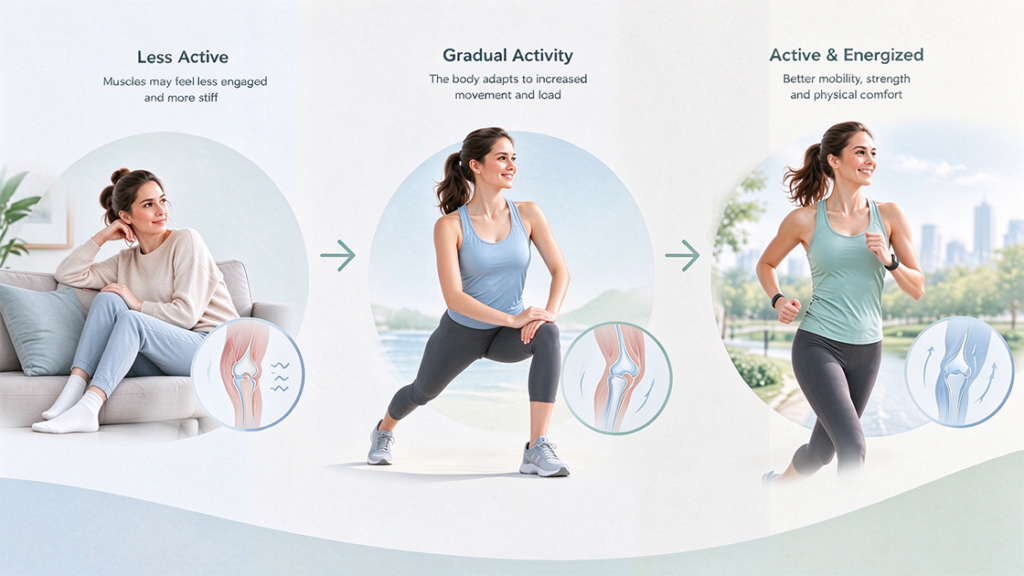
The transition back to regular activity involves more than simply restarting exercise. The body must readjust to repeated movements, increased workload, and different physical patterns.
Activities such as walking longer distances, strength training, recreational sports, or outdoor hobbies may require coordination between different muscle groups and movement systems.
During this period, many people focus on recovery strategies that support flexibility, mobility, and overall physical comfort.
2. Exploring Shockwave Therapy as a Recovery Support Technology
2.1 How Shockwave Therapy Works in Professional Wellness Settings
Shockwave Therapy uses acoustic wave technology to deliver controlled mechanical energy to targeted areas. In professional rehabilitation and wellness environments, it is commonly used as a supportive approach for soft tissue management and physical recovery programs.
Modern shockwave systems allow professionals to adjust energy levels and application methods based on individual needs and specific wellness goals.
For people returning to activity after a long break, shockwave therapy may be considered as part of a broader recovery strategy that includes appropriate exercise progression and healthy movement habits.
2.2 The Role of Acoustic Wave Technology in Physical Recovery Support
Extracorporeal Shockwave Therapy (ESWT) uses mechanical waves that interact with targeted tissues. Professional applications focus on supporting natural recovery processes and improving physical comfort during rehabilitation-focused routines.
For individuals rebuilding their activity levels, maintaining mobility and managing physical stress are important parts of creating a sustainable routine.
When combined with proper warm-up practices, strength development, and gradual activity increases, shockwave therapy can provide additional support within a comprehensive wellness approach.
3. Shockwave Therapy for Different Return-to-Activity Situations
3.1 Supporting People Returning to Fitness Training
Many people return to gyms or fitness programs after months away from structured exercise. Strength training, resistance exercises, and repeated movements may introduce new physical demands.
A gradual approach allows individuals to rebuild consistency while paying attention to how their bodies respond to increased activity.
Shockwave Therapy may be included in professional wellness programs as a supportive option for individuals focusing on recovery and physical readiness during their fitness journey.
3.2 Supporting People Restarting Outdoor Activities
Outdoor activities such as hiking, walking, and recreational sports often involve different movement patterns compared with daily routines.
After a long period of reduced activity, returning to outdoor hobbies may require adjustments in endurance, balance, and movement coordination.
Recovery-focused strategies, including professional wellness support, mobility exercises, and proper activity planning, can help individuals better manage the physical transition.
3.3 Supporting Recreational Sports Participants Returning After Breaks
Many recreational athletes take seasonal or lifestyle-related breaks from activities they enjoy. When returning to sports, they may experience increased physical demands due to repeated motions and higher activity intensity.
Sports such as tennis, pickleball, swimming, cycling, and recreational team activities all require different movement patterns.
Shockwave Therapy can be considered as part of a personalized wellness routine that supports individuals as they gradually return to their preferred activities.
3.4 Supporting People Returning to Active Hobbies After Seasonal Breaks
Many people reduce their activity levels during certain seasons because of weather conditions, travel plans, or changes in daily routines. When they return to hobbies such as gardening, cycling, hiking, or outdoor sports, their bodies may need time to adjust to increased movement demands.
Seasonal activity transitions often involve changes in intensity, frequency, and movement patterns. A person who has been less active for several months may need a structured approach that includes gradual progression and recovery-focused habits.
Shockwave Therapy may be included within professional wellness plans as an additional supportive option for individuals preparing to reconnect with active hobbies after a longer break.
4. Building a Balanced Return-to-Activity Recovery Plan
4.1 Combining Shockwave Therapy With Gradual Activity Progression
Returning to physical activity requires balance between increasing movement and allowing the body enough time to adapt. Sudden increases in exercise volume or intensity may create additional physical challenges.
A gradual progression approach helps individuals rebuild confidence and consistency while paying attention to their physical responses.
Shockwave Therapy can complement this process by providing a supportive recovery option within a broader wellness routine that includes proper exercise planning, mobility practices, and healthy lifestyle choices.
4.2 The Importance of Mobility and Preparation Before Exercise
Preparation plays an important role when restarting physical activities after a long break. Warm-up routines, flexibility exercises, and movement preparation can help individuals become more comfortable with increased activity levels.
Mobility-focused habits can support better movement quality and help people understand their current physical abilities before returning to previous activity levels.
For individuals incorporating Shockwave Therapy into their wellness routines, combining technology-based support with active movement strategies may provide a more comprehensive approach.
4.3 Choosing Recovery Support Based on Activity Type
Different activities place different demands on the body. Someone returning to hiking may have different needs compared with someone restarting strength training, swimming, or recreational sports.
Factors such as activity intensity, movement patterns, previous exercise habits, and personal goals can influence which recovery strategies are most suitable.
Shockwave Therapy systems offer adjustable application options, allowing professionals to consider different areas and individual requirements when creating personalized support plans.
5. The Role of Shockwave Therapy in Modern Active Lifestyle Management
5.1 How Shockwave Technology Supports People With Changing Activity Levels
Modern lifestyles often create periods of high activity followed by periods of reduced movement. Work responsibilities, travel, family commitments, and seasonal changes can all affect exercise consistency.
As more people seek ways to maintain active lifestyles, recovery technologies such as Shockwave Therapy continue to become part of professional wellness and rehabilitation environments.
Through adjustable settings and targeted applications, shockwave technology provides professionals with an additional tool for supporting individuals managing different stages of physical activity.
5.2 Creating Long-Term Healthy Movement Habits
Returning to activity is not only about restarting exercise but also about building habits that can continue over time. Consistent movement, proper recovery, and realistic activity goals are important parts of maintaining an active lifestyle.
Shockwave Therapy may serve as one supportive component within a broader wellness strategy designed around individual needs and activity patterns.
By combining professional support, appropriate exercise routines, and healthy daily habits, individuals can develop a more sustainable approach to staying active after periods of reduced movement.
FAQ
ما هو العلاج بالموجات الصدمية؟
Shockwave Therapy is a technology that uses controlled acoustic waves and is commonly applied in professional rehabilitation and wellness settings as a supportive approach.
Why might people consider Shockwave Therapy after a long activity break?
People may consider it as part of a recovery-focused routine when adjusting back to exercise, recreational activities, or active lifestyles.
Can Shockwave Therapy replace exercise preparation?
No. Shockwave Therapy is generally used as a complementary approach and does not replace proper warm-up, gradual activity progression, or professional guidance.
How long should someone wait before returning to exercise after a break?
The appropriate timeline depends on individual activity levels, physical condition, and personal goals. A gradual return is often considered when rebuilding activity habits.
What activities can be included in a return-to-activity routine?
Walking, hiking, recreational sports, fitness training, cycling, and other active hobbies can be part of a personalized movement routine.
الخاتمة
Returning to physical activity after a long break requires patience, preparation, and a balanced approach. Changes in lifestyle, schedules, and activity levels can affect how the body responds when people restart exercise or recreational hobbies. Shockwave Therapy, based on extracorporeal acoustic wave technology, can be included as a supportive option within professional wellness and rehabilitation strategies for individuals managing the transition back to an active lifestyle. When combined with gradual exercise progression, mobility practices, and consistent recovery habits, shockwave therapy can become part of a comprehensive approach to supporting long-term physical wellness.
المراجع
Extracorporeal Shock Wave Therapy: Current Applications and Future Perspectives
https://www.ncbi.nlm.nih.gov/pmc/articles/PMC4743666
Clinical Applications of Extracorporeal Shock Wave Therapy in Musculoskeletal Disorders
https://pubmed.ncbi.nlm.nih.gov
Mechanisms of Action of Extracorporeal Shock Wave Therapy
https://www.ncbi.nlm.nih.gov/pmc/articles/PMC6030530
Extracorporeal Shock Wave Therapy in Rehabilitation Medicine
https://www.ncbi.nlm.nih.gov/pmc/articles/PMC6020275
Professional Shockwave Therapy Technology and Applications