

Introducción
Many adults notice that physical recovery becomes slower after the age of 40. Activities that once caused only temporary soreness may now lead to longer periods of stiffness, tendon tightness, or joint discomfort. This shift often relates to gradual changes in collagen production, circulation efficiency, muscle elasticity, and tissue regeneration. In modern recovery and wellness discussions, Shockwave Therapy has become increasingly associated with active aging strategies because it supports soft tissue recovery, mobility management, and long-term physical maintenance. As more adults prioritize longevity and performance-focused lifestyles, non-invasive recovery technologies continue to gain attention among physically active individuals over 40.
1. Why Physical Recovery Changes After 40
1.1 Collagen Production Gradually Declines
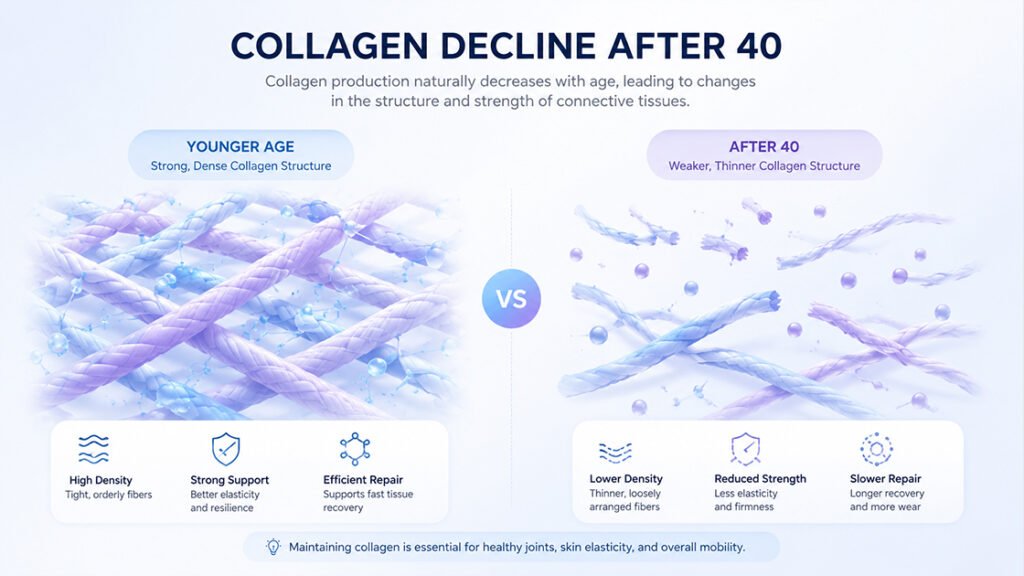
Collagen plays an important role in maintaining tendon flexibility, joint support, and soft tissue resilience. However, natural collagen production gradually slows with age. As this process continues, tendons and connective tissues may become less adaptable to physical stress, making recovery after workouts or repetitive movement feel slower than before. Many adults over 40 begin to experience prolonged tightness in areas such as the shoulders, knees, Achilles tendon, and lower back.
1.2 Reduced Tissue Flexibility and Mobility
As the body ages, muscles and connective tissues often lose part of their natural elasticity. This may contribute to reduced mobility, stiffness after exercise, and slower adaptation to physical activity. In addition, long work hours, prolonged sitting, and repetitive movements can further increase muscular tension. Because of these factors, many active adults seek recovery-focused wellness solutions that support flexibility and movement quality.
1.3 Recovery Fatigue Becomes More Noticeable
Adults over 40 often report that soreness and fatigue last longer after exercise than they did in earlier years. Even moderate activities such as golf, running, strength training, or pickleball may increase tendon stress and soft tissue fatigue. As recovery demand increases, many individuals explore modern recovery technologies such as Shockwave Therapy to support tissue maintenance and physical comfort.
2. Why Shockwave Therapy Fits Modern Active Aging Trends
2.1 Non-Invasive Recovery Support
Shockwave Therapy is widely discussed in sports recovery and musculoskeletal wellness because it provides a non-invasive approach to soft tissue management. The technology uses acoustic wave energy to target areas experiencing tension or overuse stress. Many wellness and rehabilitation professionals incorporate shockwave systems into recovery-focused programs designed for active adults and aging athletes.
2.2 Supporting Circulation and Tissue Stimulation
One reason Shockwave Therapy continues to gain attention among adults over 40 is its association with circulation-focused recovery support. Acoustic wave stimulation is commonly discussed in relation to tissue activation and mobility management concepts. As modern recovery culture grows, many physically active adults seek technologies that align with long-term movement maintenance rather than short-term performance alone.
2.3 Popularity Among Active Lifestyle Communities
Recovery technology has become increasingly popular among golf players, runners, fitness enthusiasts, and recreational athletes over 40. Many individuals now view recovery routines as essential parts of maintaining long-term physical activity. Shockwave Therapy often appears in these discussions because it supports active aging and recovery-centered wellness strategies.
3. Common Areas of Tightness and Tendon Stress After 40
3.1 Shoulder and Rotator Cuff Tension
Shoulder stiffness becomes increasingly common with age, especially among individuals who participate in repetitive upper-body activities. Golf swings, weight training, racket sports, and prolonged desk work may all contribute to rotator cuff tension over time. Shockwave Therapy is frequently discussed as part of non-surgical recovery approaches for mobility-focused shoulder management.
3.2 Knee and Achilles Tendon Tightness
Lower-body tendon tightness often becomes more noticeable after 40 because tendons gradually lose elasticity and recovery speed. Running, hiking, and high-impact workouts may increase stress around the knees and Achilles tendon. In modern rehabilitation discussions, acoustic wave therapy systems are commonly integrated into tendon recovery programs and movement support routines.
3.3 Lower Back and Hip Discomfort
Long periods of sitting combined with reduced tissue flexibility may contribute to hip tightness and lower back discomfort. Many adults over 40 experience stiffness after driving, office work, or physically repetitive tasks. Recovery-centered wellness programs increasingly combine mobility exercises, stretching, and Shockwave Therapy to support movement comfort and flexibility maintenance.
4. Building a Recovery-Focused Lifestyle After 40
4.1 Prioritizing Recovery as Part of Fitness
Modern fitness culture increasingly emphasizes recovery instead of focusing only on training intensity. Adults over 40 often benefit from balancing physical activity with recovery strategies designed to reduce overuse stress and improve movement efficiency. Shockwave Therapy fits naturally into this trend because it aligns with active aging and long-term wellness management.
4.2 Combining Mobility Training and Recovery Technology
Stretching, mobility work, hydration, and recovery-focused body care all play important roles in maintaining physical performance after 40. Many active adults combine these habits with Shockwave Therapy sessions to support flexibility and tissue recovery while minimizing long-term physical strain.
4.3 Long-Term Physical Maintenance Strategies
Aging does not necessarily mean reducing physical activity. Instead, many individuals shift toward smarter recovery routines and more sustainable movement habits. Technologies such as acoustic wave therapy systems continue to grow in popularity because they support ongoing tissue maintenance and mobility-centered wellness lifestyles.
5. The Growing Role of Shockwave Therapy in Wellness and Recovery
5.1 Recovery Technology and Longevity Trends
Longevity-focused wellness trends increasingly emphasize movement quality and physical maintenance as part of healthy aging. Recovery technologies are no longer limited to professional athletes because many adults now seek proactive strategies to maintain active lifestyles for decades.
5.2 Demand for Efficient Recovery Solutions
Busy professionals and active adults often prefer recovery options that fit into demanding schedules. Shockwave Therapy continues to attract attention because it aligns with modern preferences for efficient and non-invasive recovery support.
5.3 The Future of Active Aging Recovery
As recovery culture continues to evolve, technologies focused on mobility support and tissue recovery are becoming central components of wellness routines. Shockwave Therapy remains closely associated with modern active aging discussions because it supports movement-focused lifestyles and long-term physical comfort management.
FAQ
Why does recovery slow after 40?
Changes in collagen production, tissue elasticity, and circulation may contribute to slower recovery.
What is Shockwave Therapy commonly used for?
It is often discussed in relation to tendon recovery, mobility support, and soft tissue wellness.
Does aging affect tendon flexibility?
Tendons may gradually become less flexible over time, especially with repetitive physical stress.
Why do active adults focus more on recovery after 40?
Recovery becomes increasingly important for maintaining mobility and reducing long-term strain.
Can recovery routines support active aging?
Consistent recovery habits may help maintain movement comfort and physical activity levels over time.
Conclusión
Physical recovery naturally changes with age, especially after 40, when tendon flexibility, collagen production, and tissue regeneration gradually slow down. As a result, many adults experience longer recovery periods, increased stiffness, and more noticeable muscular tension after exercise or repetitive movement. In modern wellness and rehabilitation discussions, Shockwave Therapy is increasingly associated with active aging because it supports mobility-focused recovery and long-term tissue maintenance concepts. When combined with stretching, movement training, and recovery-centered lifestyle habits, Shockwave Therapy fits naturally into modern strategies designed to support long-term physical wellness and active living.
Referencias
Shockwave Therapy for Musculoskeletal Recovery
https://www.shockwavemachines.com/
Cleveland Clinic – Tendon and Soft Tissue Health
https://my.clevelandclinic.org
National Library of Medicine – Aging and Tendon Changes
https://pubmed.ncbi.nlm.nih.gov
Mayo Clinic – Joint and Muscle Recovery
Harvard Health – Healthy Aging and Physical Activity