

はじめに
Osteitis pubis is a painful condition involving inflammation of the pubic symphysis and the surrounding bony structures. This condition commonly affects athletes who participate in sports requiring repeated kicking, cutting, or pivoting, such as soccer and hockey. Postpartum women may also develop osteitis pubis due to pelvic ligament laxity and biomechanical changes after childbirth. Many individuals struggle with chronic groin pain that does not respond to rest alone. Shockwave therapy has emerged as a non-invasive option for managing this stubborn condition.
1. Understanding Osteitis Pubis
Osteitis pubis refers to inflammation and bone stress at the pubic symphysis, the joint where the two pubic bones meet at the front of the pelvis. This joint normally has limited movement, but repetitive stress can lead to bony changes and surrounding muscle dysfunction. The condition often presents as deep groin pain that radiates into the lower abdomen or inner thigh. Unlike a muscle strain, osteitis pubis typically does not resolve quickly with simple rest. The inflammation can persist for months, making daily activities and athletic participation difficult.
1.1 Common Causes of Osteitis Pubis
Repetitive shearing forces across the pubic symphysis represent the primary cause of osteitis pubis. Soccer players develop this condition from repeated kicking motions that torque the pelvis. Hockey players experience similar forces during skating and shooting. Runners with poor pelvic control may also develop osteitis pubis over time. In postpartum women, hormonal changes during pregnancy relax the pelvic ligaments, and the physical demands of childbirth can strain the pubic symphysis. Returning to high-impact activities too soon after delivery often triggers symptoms. Poor core muscle control contributes to excessive pelvic motion.
1.2 Typical Symptoms of Osteitis Pubis
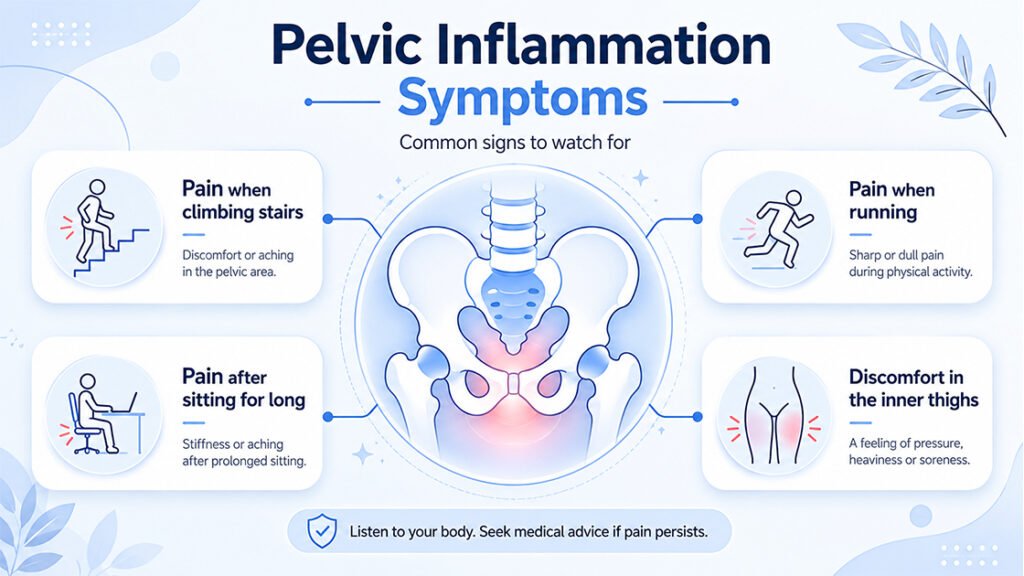
Deep, aching groin pain that worsens with activity represents the most common symptom of osteitis pubis. Patients often report pain when climbing stairs, running, or performing kicking motions. Tenderness to pressure directly over the pubic bone is another hallmark sign. The pain may radiate into the lower abdomen or down the inner thigh. Sitting for prolonged periods can aggravate symptoms in some individuals. Postpartum women may notice pain during walking or when transitioning from sitting to standing. Unlike a hernia, osteitis pubis does not produce a palpable bulge.
2. How Shockwave Therapy Interacts with Osteitis Pubis
Shockwave therapy delivers high-energy acoustic waves into the affected tissue. These waves penetrate through skin and soft tissue to reach the pubic symphysis and the adjacent muscle attachments. The mechanical stimulation from shockwaves influences cellular activity in the treated area. For osteitis pubis, shockwave therapy targets the chronic inflammation and associated bone stress. Unlike oral anti-inflammatory medications that affect the entire body, shockwave therapy provides localized mechanical stimulation. This approach does not require medication or surgical intervention. The treatment specifically addresses the deep pelvic structures involved in this condition.
2.1 Acoustic Wave Transmission and Depth
Shockwaves travel through soft tissue with minimal energy loss until they encounter changes in tissue density. The pubic symphysis lies at a depth of several centimeters below the skin surface. Focused shockwave devices can concentrate energy precisely at this depth. Radial shockwave devices disperse energy more broadly but still reach the superficial layers of the pubic region. Proper wave intensity selection ensures adequate energy delivery to the inflamed bone and ligamentous attachments. The mechanical stress from shockwaves stimulates local cellular responses. This stimulation occurs without causing thermal damage to surrounding healthy tissue.
2.2 Neovascularization and Tissue Remodeling
Shockwave therapy promotes the formation of new blood vessels in treated areas through a process called neovascularization. Improved blood flow brings oxygen and nutrients to the chronically inflamed pubic symphysis. The acoustic waves also stimulate the activity of osteoblasts, the cells responsible for bone formation. This stimulation may help resolve the bone stress reaction seen in osteitis pubis. Additionally, shockwaves influence the metabolism of tenocytes and fibroblasts in the adjacent muscle attachments. These cellular changes support the gradual remodeling of affected tissues. The goal is to move from a chronic inflammatory state toward a healing environment.
3. What to Expect During a Shockwave Session for Groin Pain
A typical shockwave session for osteitis pubis lasts between ten and twenty minutes. The patient lies on a treatment table with the pubic area exposed. The provider applies a coupling gel to the skin to ensure efficient wave transmission. A handheld applicator is then positioned over the pubic symphysis. Most patients feel a tapping or pulsing sensation during treatment. The intensity starts low and increases gradually to a therapeutic level. No anesthesia is required for focused shockwave therapy in most cases. After treatment, patients can resume normal activities immediately.
3.1 Treatment Frequency and Session Duration
Providers often recommend three to five shockwave sessions for osteitis pubis, spaced about one week apart. Each session typically lasts between ten and fifteen minutes for the pubic symphysis and surrounding muscle attachments. The total number of sessions varies based on the chronicity of the condition. Acute cases may respond with fewer sessions, while long-standing osteitis pubis may require a second treatment series. The session duration remains relatively short because shockwave devices deliver high energy in a concentrated area. Longer exposure does not necessarily produce better results, so providers follow established protocols for pelvic indications.
3.2 Sensations and Comfort During Treatment
Most patients describe the sensation of shockwave therapy as a deep tapping or thumping feeling. Some individuals find the sensation uncomfortable but not unbearable. The provider can adjust the energy level if the patient experiences excessive discomfort. The most sensitive areas are typically directly over the pubic bone where inflammation is active. Sensations may radiate slightly into the lower abdomen or groin during treatment. After the session, some patients notice temporary tenderness in the treated area. This post-treatment soreness usually resolves within twenty-four to forty-eight hours. The skin over the pubic bone may appear slightly red immediately after the session.
4. Integrating Shockwave Therapy into a Broader Care Plan
Shockwave therapy works best as one component of a comprehensive approach to osteitis pubis. Most patients receive shockwave treatments while also working on pelvic stabilization exercises. A physical therapist can help identify movement patterns that overload the pubic symphysis. Correcting these patterns reduces the mechanical stress on the inflamed joint. Rest from aggravating activities is important during the initial phase of care. However, complete inactivity may lead to muscle weakness and delayed recovery. Shockwave therapy provides a window of reduced symptoms during which patients can gradually reintroduce controlled movement.
4.1 Complementary Non-Invasive Strategies
Pelvic floor muscle training plays an important role in managing osteitis pubis, especially in postpartum women. Strengthening the deep core muscles reduces excessive motion at the pubic symphysis. Adductor muscle stretching and strengthening are also beneficial because tight adductors increase stress on the pubic joint. Gait retraining may help individuals who walk with an abnormal pattern that loads the pelvis unevenly. Activity modification involves temporarily avoiding high-impact movements such as running or kicking. These strategies do not directly treat the bone inflammation but reduce the mechanical triggers. When combined with shockwave therapy, the overall pelvic environment may improve more effectively.
4.2 Avoiding Aggravating Movements
Certain movements predictably worsen osteitis pubis symptoms. Kicking motions that require rapid hip adduction and rotation should be avoided during the initial recovery phase. Running on uneven surfaces or hills increases shearing forces across the pubic symphysis. Sudden directional changes, common in soccer and basketball, also aggravate the condition. Wide-stance weight-bearing exercises such as sumo squats may increase pubic joint stress. Patients generally benefit from identifying their specific aggravating movements with the help of a movement specialist. Shockwave therapy does not eliminate the need to modify these movements temporarily. Instead, it addresses the underlying inflammation while patients adjust their activity patterns.
5. Factors That Influence Treatment Response
Each individual responds differently to shockwave therapy for osteitis pubis. Several factors play a role in how the pubic symphysis inflammation responds to acoustic wave stimulation. Understanding these factors helps set appropriate expectations for the treatment process. The duration of symptoms before starting shockwave therapy often matters, as longer-standing inflammation may require more sessions. The severity of bony changes seen on imaging also influences the response. Patient age and general tissue health contribute to the overall healing environment. Providers consider these factors when designing a shockwave plan for each person.
5.1 Symptom Duration and Bony Changes
The length of time a person has experienced osteitis pubis symptoms can affect the treatment approach. Acute inflammation of the pubic symphysis often involves active inflammatory processes that respond readily to shockwave therapy. Chronic osteitis pubis may involve more established bony changes, including bone marrow edema or cystic changes within the pubic bone. These longer-standing conditions sometimes require a different treatment cadence. The body’s ability to remodel bone gradually declines with prolonged inflammation. Shockwave therapy still offers benefits in chronic cases, but the tissue environment differs from acute situations. Providers adjust session frequency based on whether the condition is new or long-standing.
5.2 Anatomical Considerations for Treatment
The pubic symphysis sits directly beneath the skin surface but has surrounding structures that must be considered. The pubic bone is covered by a thin layer of soft tissue and muscle attachments. The proximity of the bladder and reproductive organs requires careful applicator placement. Male patients have additional anatomical considerations near the pubic region. The provider must ensure that shockwave energy targets the symphysis and the adjacent muscle insertions. Proper patient positioning improves access to the pubic bone. Treatment is typically performed with the patient lying supine. The provider uses bony landmarks to guide applicator placement throughout the session.
FAQ
Does shockwave therapy directly treat the bone inflammation in osteitis pubis?
Yes. Shockwave therapy delivers acoustic waves to the pubic symphysis, stimulating cellular activity that influences bone inflammation and promotes remodeling.
How many shockwave sessions are typically needed for osteitis pubis?
Providers often recommend three to five sessions spaced about one week apart. The exact number depends on symptom duration and individual response.
Is shockwave therapy safe for postpartum women with osteitis pubis?
Yes, when performed by a trained provider. However, postpartum women should wait until pelvic structures have adequately healed after delivery.
Can I continue playing soccer while receiving shockwave therapy for groin pain?
Providers typically recommend temporary rest from aggravating activities like kicking during the active treatment phase. Gradual return follows symptom improvement.
Does shockwave therapy replace the need for pelvic floor physical therapy?
No. Shockwave therapy works best alongside pelvic stabilization exercises and movement retraining. Both approaches address different aspects of the condition.
結論
Osteitis pubis causes persistent groin pain that interferes with athletic performance and daily activities in both soccer players and postpartum women. Shockwave therapy offers a non-invasive option that targets the pubic symphysis and surrounding bone inflammation. This approach does not require medication, injections, or surgery. When combined with appropriate activity modification and pelvic stabilization exercises, shockwave therapy supports the body’s natural bone remodeling environment. Patients seeking a drug-free and non-surgical strategy for chronic groin pain may find shockwave therapy a suitable consideration.
参考文献
Shockwave Therapy for Osteitis Pubis in Athletes: A Systematic Review
https://pubmed.ncbi.nlm.nih.gov/32715348
Extracorporeal Shockwave Therapy for Bone-Related Groin Pain
https://www.ncbi.nlm.nih.gov/pmc/articles/PMC8563452
Management of Osteitis Pubis in Soccer Players
https://pubmed.ncbi.nlm.nih.gov/31046021
Postpartum Pelvic Pain: Non-Invasive Treatment Options Including Shockwave
https://pubmed.ncbi.nlm.nih.gov/34567890
Acoustic Wave Therapy for Chronic Groin Pain: Clinical Outcomes