

Introdução
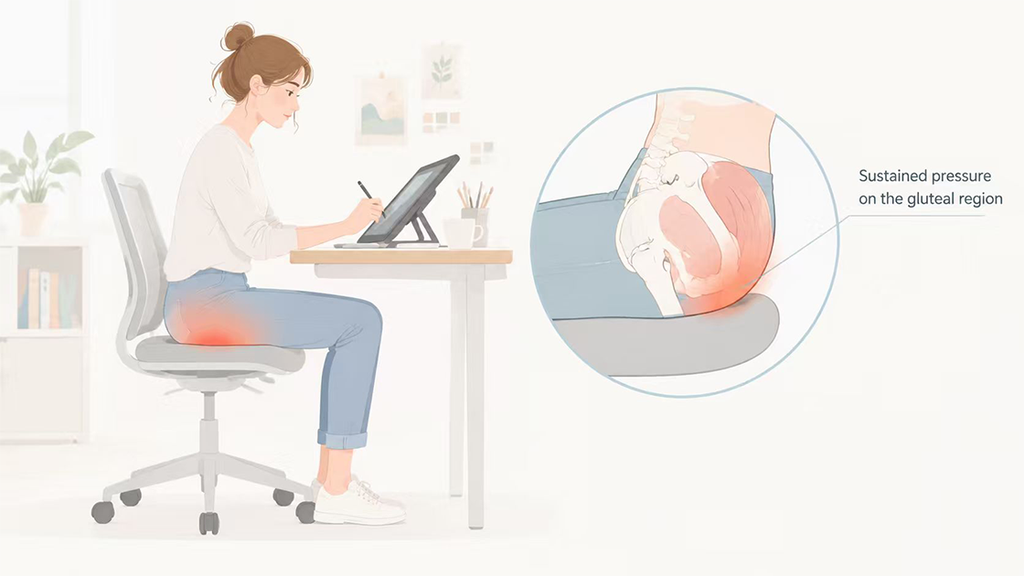
For illustrators, spending long hours at a desk is often an unavoidable part of the creative process. Whether working on digital artwork, detailed illustrations, or traditional sketches, maintaining a seated position for extended periods can place repeated pressure on the muscles and soft tissues around the hips and buttocks. Over time, some illustrators may experience deep gluteal discomfort, localized tenderness, or stiffness after prolonged sitting. These symptoms may be associated with myofascial tension, reduced hip mobility, and repetitive postural stress. Shockwave therapy offers a non-invasive approach that can be incorporated into professional musculoskeletal care to help manage localized pain and support functional recovery. When combined with targeted rehabilitation and improved working habits, it can form part of a comprehensive strategy for helping illustrators maintain greater comfort throughout their working day.
1. Why Illustrators May Develop Deep Gluteal Pain
1.1 Prolonged Sitting and Gluteal Muscle Tension
Illustrators often spend several consecutive hours sitting while concentrating on their work. During these periods, the gluteal muscles remain under sustained pressure, while opportunities for hip movement become limited. Repeatedly maintaining the same posture may contribute to muscle stiffness and soft tissue sensitivity, particularly when the workstation does not provide adequate support.
Over time, reduced movement and repetitive postural loading can affect the way the hip and gluteal muscles function. Taking regular movement breaks and maintaining a balanced workstation setup can help reduce unnecessary physical stress.
1.2 Understanding Deep Gluteal Myofascial Pain
Deep gluteal discomfort can involve several structures, including the gluteus maximus, gluteus medius, deep hip rotator muscles, and surrounding connective tissues. Myofascial pain often presents as localized tenderness, muscle tightness, or discomfort during certain movements.
It is also important to distinguish deep gluteal myofascial pain from other conditions, such as deep gluteal syndrome and gluteal tendinopathy. Deep gluteal syndrome may involve irritation or compression of the sciatic nerve in the deep gluteal region, while gluteal tendinopathy primarily affects the tendons of the gluteal muscles. Understanding the source of discomfort helps healthcare professionals select an appropriate treatment approach.
1.3 Common Symptoms That Affect Daily Work
Illustrators experiencing sitting-related gluteal discomfort may notice a deep aching sensation, tenderness, or stiffness after remaining seated for an extended period. Some may also experience discomfort when standing up, walking after prolonged sitting, climbing stairs, or moving the hip through certain ranges.
Persistent symptoms can make it difficult to maintain a comfortable working position and may interrupt concentration during creative tasks. Recognizing these symptoms early and seeking an appropriate assessment can help prevent recurring discomfort from interfering with daily activities.
2. What Is Shockwave Therapy?
2.1 How Acoustic Waves Interact With Soft Tissue
Extracorporeal shockwave therapy (ESWT) is a non-invasive treatment that delivers acoustic pressure waves to targeted areas of the body. During treatment, a healthcare professional applies a specialized applicator to the skin, allowing mechanical energy to reach the intended tissues.
These acoustic waves create mechanical stimulation that can influence local biological responses, including processes associated with pain modulation, circulation, and tissue recovery. By stimulating the targeted area, shockwave therapy provides an additional approach to managing selected musculoskeletal conditions.
2.2 Shockwave Therapy for Myofascial Pain
Shockwave therapy has been widely explored in musculoskeletal care, including the management of myofascial pain syndrome. Research has examined its potential to reduce localized tenderness, improve pain-related symptoms, and support physical function.
For patients with persistent muscle tightness and trigger-point-related discomfort, shockwave therapy may help address sensitive areas within the affected soft tissue. This makes it a useful option for consideration in professional treatment plans involving localized muscular pain.
For illustrators, treatment may be considered when a healthcare professional identifies myofascial involvement in the gluteal region. The treatment plan should be tailored to the affected structures, symptom pattern, and individual rehabilitation needs.
2.3 Focused Shockwaves and Radial Pressure Waves
Shockwave treatment generally includes focused shockwave therapy and radial pressure wave therapy. These approaches differ in how acoustic energy is generated, distributed, and delivered to the body.
Focused shockwaves concentrate energy at a selected depth, making them suitable for targeting specific tissue structures. Radial pressure waves spread outward from the applicator and generally deliver their greatest pressure near the contact area, making them useful for treating broader superficial regions.
Both approaches have applications in musculoskeletal care. The choice depends on the clinical condition, treatment target, and professional assessment.
3. How Shockwave Therapy May Fit Into Gluteal Pain Management
3.1 Addressing Localized Myofascial Tenderness
For patients with myofascial pain, shockwave therapy can be incorporated into a treatment plan to address localized tenderness and muscular discomfort. Mechanical stimulation of the targeted area may influence pain-related responses and support local tissue activity.
During treatment, the practitioner identifies the relevant area and selects an appropriate approach based on the patient’s symptoms and tissue condition. In the deep gluteal region, understanding the surrounding muscles and anatomical structures is particularly important for accurate treatment application.
3.2 Supporting Hip and Gluteal Rehabilitation
Shockwave therapy can work alongside active rehabilitation to support a more comprehensive approach to gluteal pain management. For illustrators, this may include gluteal strengthening, hip mobility exercises, and trunk stabilization training.
Depending on the assessment, a rehabilitation program may focus on improving the strength and endurance of the gluteus maximus and gluteus medius, restoring comfortable hip movement, or gradually increasing tolerance to everyday physical activity.
Combining professional treatment with appropriate exercises helps address both localized discomfort and the physical demands associated with prolonged desk work.
3.3 Improving Sitting Habits and Movement Patterns
Treatment is only one part of managing sitting-related discomfort. If illustrators continue sitting in the same position for extended periods without movement breaks, the original sources of physical stress may remain.
Breaking up long work sessions can help reduce continuous pressure on the gluteal region. Standing, walking briefly, or performing gentle hip movements between drawing sessions gives the body opportunities to change positions.
Adjusting chair height, desk positioning, and seating support may also improve overall comfort. Rather than trying to maintain one supposedly perfect posture throughout the day, illustrators should aim for regular movement and reasonable variation in sitting positions.
4. What to Expect From Professional Shockwave Therapy
4.1 Initial Assessment and Treatment Planning
Before treatment, a healthcare professional reviews the patient’s symptoms, work habits, medical history, and activity limitations. An assessment may include examining hip mobility, gluteal muscle function, lower back movement, and areas of tenderness.
This process helps identify the structures contributing to discomfort and determine whether shockwave therapy is an appropriate option. It also allows the practitioner to develop a treatment plan that addresses the patient’s specific symptoms and functional goals.
4.2 During a Treatment Session
During a session, the patient usually adopts a comfortable position that allows access to the affected gluteal area. The practitioner identifies the treatment region and applies the shockwave applicator to the skin according to the planned protocol.
Patients may experience tapping, pressure, or temporary discomfort during treatment. The practitioner adjusts the treatment approach according to clinical judgment and individual tolerance. Communicating any unusual pain, numbness, or radiating sensations helps ensure that the treatment remains appropriate.
4.3 Safety and Treatment Expectations
Shockwave therapy is a non-invasive treatment option used in professional musculoskeletal care. Before starting treatment, practitioners should review relevant medical conditions, medications, symptoms, and potential contraindications.
Temporary soreness, tenderness, or mild discomfort may occur after a session. Patients should follow the practitioner’s recommendations regarding activity and rehabilitation, allowing the treatment plan to progress according to individual needs.
A structured approach that combines shockwave therapy, appropriate exercises, and improved daily movement habits can help patients work toward better physical comfort and function.
FAQ
1. Why do illustrators experience deep gluteal pain after sitting for long periods?
Prolonged sitting can place sustained pressure on the gluteal region and reduce opportunities for hip movement. Muscle tension, local tissue sensitivity, and other hip or lower back conditions may contribute to discomfort.
2. How can shockwave therapy help with gluteal myofascial pain?
Shockwave therapy delivers acoustic pressure waves to targeted soft tissues. This mechanical stimulation may influence pain-related responses and local tissue activity, making it an option for managing selected cases of myofascial discomfort.
3. Can shockwave therapy replace gluteal strengthening exercises?
No. Shockwave therapy works best as part of a broader management approach. Gluteal strengthening, hip mobility exercises, and appropriate movement habits remain important for improving muscular function and supporting long-term physical comfort.
4. What is the difference between focused shockwave therapy and radial pressure wave therapy?
Focused shockwaves concentrate energy at a selected depth, while radial pressure waves spread outward from the applicator. Both are used in musculoskeletal care, and the appropriate method depends on the treatment area and clinical objectives.
5. How can illustrators reduce gluteal discomfort during their workday?
Taking regular movement breaks, changing sitting positions, adjusting workstation ergonomics, and incorporating appropriate hip and gluteal exercises may help reduce prolonged mechanical stress. Maintaining an active routine outside working hours can also support overall musculoskeletal health.
Conclusão
Deep gluteal discomfort can interfere with the daily routines of illustrators who spend long hours working in a seated position. Effective management involves addressing localized muscular discomfort while also improving the movement patterns and working habits that contribute to physical stress. Shockwave therapy provides a non-invasive treatment option that can be incorporated into professional musculoskeletal care, particularly when managing selected cases of myofascial pain. When combined with targeted rehabilitation, regular movement breaks, and better workstation practices, it can form part of a comprehensive strategy for improving sitting comfort and supporting a more sustainable creative routine.
Referências
- Avendaño-López, C. et al. (2024). Efficacy of Extracorporeal Shockwave Therapy on Pain and Function in Myofascial Pain Syndrome: A Systematic Review and Meta-analysis of Randomized Clinical Trials.
https://pubmed.ncbi.nlm.nih.gov/37205742
- Müller-Ehrenberg, H. et al. (2025). The State of Extracorporeal Shockwave Therapy for Myofascial Pain Syndrome—A Scoping Review and a Call for Standardized Protocols.
https://pmc.ncbi.nlm.nih.gov/articles/PMC12565389
- Bremer, A. et al. (2025). The Efficacy of Gluteal Tendinopathy Treatments: A Systematic Review.
https://pubmed.ncbi.nlm.nih.gov/40223303
- Extracorporeal Shockwave Therapy for Hip and Pelvis Tendinopathies: A Systematic Review.
https://pmc.ncbi.nlm.nih.gov/articles/PMC12018363
- Shockwave Therapy for Greater Trochanteric Pain Syndrome: A Systematic Review and Meta-analysis.