

Введение
Chronic pain affects a large percentage of older adults and often limits their ability to walk, climb stairs, or maintain independence. Many seniors rely on pain medications that carry risks of falls, drug interactions, or organ damage with long-term use. Shockwave therapy has emerged as a non-invasive, drug-free option that may help manage musculoskeletal pain in the geriatric population. This article explains how acoustic wave therapy supports mobility and quality of life for older adults without adding more pills to their daily routine.
1. Understanding Pain and Mobility Challenges in Older Adults
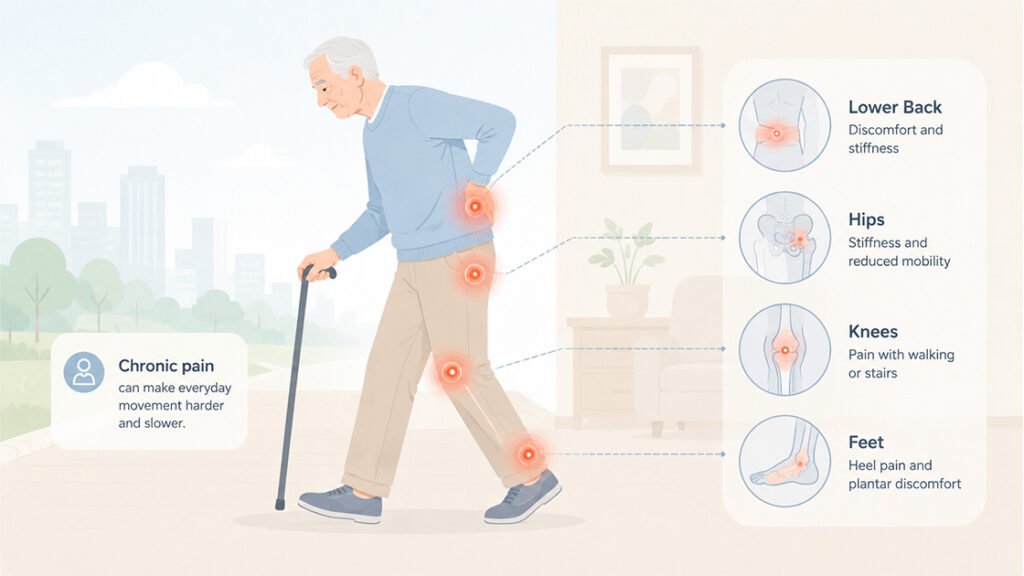
Aging brings natural changes to muscles, tendons, ligaments, and joints. These changes often result in chronic pain conditions that affect walking, standing, and performing daily tasks. The most common sources of pain in older adults include osteoarthritis of the knees and hips, rotator cuff tendinopathy of the shoulders, plantar fasciitis of the feet, and chronic low back pain from degenerative changes. Each of these conditions can reduce activity levels, leading to muscle weakness and further mobility decline. Breaking this cycle requires effective pain management that does not create additional health risks.
1.1 Common Pain Conditions in the Elderly
Osteoarthritis represents the most prevalent joint condition in older adults. The knee, hip, and hand joints frequently show degenerative changes that cause pain during weight-bearing activities. Tendinopathies, including rotator cuff and Achilles tendon problems, become more common with age-related tendon degeneration. Plantar fasciitis causes heel pain that makes walking difficult, especially in the morning. Chronic low back pain often results from spinal stenosis, disc degeneration, or facet joint артрит. These conditions frequently coexist, meaning an older adult may have two or three pain sources simultaneously. Multiple pain sites complicate treatment selection.
1.2 Risks of Long-Term Pain Medication Use
Many older adults receive nonsteroidal anti-inflammatory drugs for chronic pain. These medications carry risks of gastrointestinal bleeding, kidney damage, and cardiovascular events. The risk increases with age and duration of use. Opioid medications present even greater concerns, including falls, confusion, constipation, and respiratory depression. Polypharmacy, or taking multiple medications, raises the risk of harmful drug interactions. Older adults often have other health conditions such as hypertension, diabetes, or heart disease that add further medication complications. Finding drug-free pain management options is a priority for geriatric care.
1.3 Mobility Decline and Loss of Independence
Pain directly affects mobility by making walking uncomfortable or fearful. Seniors with knee pain often reduce their step length and walking speed. Those with foot pain may avoid going outside altogether. Reduced activity leads to muscle atrophy and joint stiffness, which further impairs movement. Over time, mobility decline increases the risk of falls, fractures, and nursing home placement. Maintaining the ability to walk to the mailbox, climb stairs, or get in and out of a car is essential for independent living. Pain management strategies that support rather than hinder mobility are critical.
2. How Shockwave Therapy Works for Geriatric Pain
Shockwave therapy delivers high-energy acoustic waves into targeted tissues. These waves penetrate through skin and soft tissue to reach painful tendons, ligaments, or muscle attachments. The mechanical energy stimulates cellular activity in the treated area. For older adults, shockwave therapy targets chronic tendinopathies, plantar fasciitis, and certain types of arthritis-related pain. Unlike medication that affects the whole body, shockwave therapy provides localized mechanical stimulation. This approach does not require drugs, injections, or surgery. The treatment specifically addresses the degenerative tissue changes common in aging musculoskeletal systems.
2.1 Neovascularization and Tissue Healing
Shockwave therapy promotes the formation of new blood vessels in treated areas through a process called neovascularization. Improved blood flow brings oxygen and nutrients to degenerated tendons and ligaments. The acoustic waves also stimulate the activity of tenocytes and fibroblasts, the cells responsible for tendon repair. This stimulation may help reverse some of the degenerative changes seen in aging tendons. Additionally, shockwaves influence the metabolism of osteoblasts in bone tissue. These cellular changes support the gradual remodeling of affected structures. The goal is to move from a chronic degenerative state toward a healing environment.
2.2 Pain Relief Without Systemic Effects
The analgesic effects of shockwave therapy occur through several mechanisms. Acoustic waves can influence pain signaling pathways at the spinal cord level. This modulation reduces the perception of pain without blocking nerve function completely. Local inflammation may decrease as tissue healing improves. Unlike NSAIDs or opioids, shockwave therapy does not enter the bloodstream. There are no risks of gastrointestinal bleeding, kidney damage, or drug interactions. This safety profile makes shockwave therapy particularly suitable for older adults who take multiple medications for other health conditions. Pain relief occurs at the source without systemic side effects.
2.3 Non-Invasive and Well-Tolerated
Shockwave therapy requires no incisions, needles, or anesthesia for most applications. The treatment is performed through intact skin using a handheld applicator. Older adults who fear surgery or needles find this approach acceptable. The therapy does not interfere with pacemakers or other implanted devices when proper protocols are followed. Each session typically lasts between ten and twenty minutes. There is no downtime, so patients can resume normal activities immediately. The non-invasive nature allows repeated treatments without cumulative risks. This makes shockwave therapy a practical option for chronic conditions that require ongoing management.
3. What to Expect During a Shockwave Session for an Older Adult
A typical shockwave session for a geriatric patient lasts between ten and twenty minutes. The patient sits or lies in a comfortable position with the treatment area exposed. The provider applies a coupling gel to the skin to ensure efficient wave transmission. A handheld applicator is then positioned over the painful area. Most older adults describe the sensation as deep tapping or thumping. The intensity starts low and increases gradually to a therapeutic level. No anesthesia is required in most cases. After treatment, the patient can return home immediately without any special care.
3.1 Treatment Frequency and Session Duration
Providers often recommend three to five shockwave sessions spaced about one week apart. Each session typically lasts between ten and fifteen minutes for a single body region. The total number of sessions depends on the specific condition and its chronicity. Chronic tendinopathies of many months or years may require more sessions. Acute or subacute conditions sometimes respond with fewer treatments. The session duration remains relatively short because shockwave devices deliver high energy efficiently. Longer exposure does not necessarily produce better results. Providers follow established protocols for geriatric applications while considering the patient’s overall health status.
3.2 Sensations and Comfort During Treatment
Most older adults tolerate shockwave therapy well. The initial sensation of the acoustic waves may feel unusual but not painful. Some patients describe a deep tapping or thumping feeling in the treated area. The provider can adjust the energy level if the patient experiences discomfort. The most sensitive areas are typically directly over inflamed tendons or bony prominences. After the session, some patients notice temporary soreness in the treated area. This post-treatment soreness usually resolves within twenty-four to forty-eight hours. The skin over the treatment area may appear slightly red immediately after the session. This redness typically fades within a few hours.
3.3 Safety Considerations for Older Adults
Shockwave therapy has a favorable safety profile for geriatric patients. The treatment does not interfere with most medications. Patients taking blood thinners should consult their provider before treatment. The applicator is not placed over major blood vessels, nerves, or the spine. Older adults with pacemakers or other electronic implants can receive treatment on extremities as long as the applicator stays away from the implant site. The therapy does not raise body temperature or stress the cardiovascular system. Patients with severe circulatory disorders or active infections in the treatment area are not candidates. A thorough health history review ensures safe application.
4. Integrating Shockwave Therapy into Geriatric Care
Shockwave therapy works best as one component of a comprehensive geriatric pain management plan. Most older adults receive shockwave treatments alongside appropriate exercise and activity modification. A physical therapist can help design a safe strengthening program that does not aggravate pain. Balance training reduces fall risk while mobility improves. Activity modification involves finding comfortable ways to perform daily tasks. These approaches do not directly treat tissue degeneration but reduce mechanical triggers. When combined with shockwave therapy, the overall treatment environment may improve more effectively for pain relief and functional gains.
4.1 Complementary Non-Invasive Strategies
Gentle range-of-motion exercises help maintain joint mobility without provoking pain. Stretching tight muscles around painful joints reduces tension on tendon attachments. Strengthening exercises for the muscles supporting arthritic knees or hips improves joint stability. Balance training with a cane or walker, if needed, builds confidence for walking. Activity pacing involves breaking tasks into smaller segments with rest breaks. Heat or cold application before or after exercise can provide additional comfort. These strategies do not directly treat the underlying tissue changes but support function. When combined with shockwave therapy, the overall outcome may improve.
4.2 Fall Prevention and Safe Mobility
Maintaining walking ability is a primary goal for older adults with chronic pain. Safe mobility requires adequate pain control, muscle strength, balance, and confidence. Shockwave therapy addresses the pain component of this equation. Physical therapy addresses strength and balance. Home safety modifications such as removing tripping hazards and installing grab bars reduce fall risk. Proper footwear with good arch support and non-slip soles supports foot comfort. Walking aids such as canes or walkers provide stability when needed. A coordinated approach across multiple disciplines produces the best outcomes for maintaining independence.
5. Factors That Influence Treatment Response in Older Adults
Each older adult responds differently to shockwave therapy for chronic pain. Several factors play a role in how degenerated tissues respond to acoustic wave stimulation. Understanding these factors helps set appropriate expectations for the treatment process. The duration of symptoms before starting therapy often matters, as longer-standing degeneration may require more sessions. The severity of tissue changes seen on imaging also influences the response. Overall health status and presence of other medical conditions contribute to the healing environment.
5.1 Age and Tissue Condition
Aging tendons and ligaments have reduced cellular activity and blood flow compared to younger tissues. This decreased metabolic activity may slow the healing response to shockwave therapy. However, clinical experience shows that older adults still benefit from treatment. The degree of benefit may depend on the extent of degenerative changes. Mild to moderate tendinopathies respond better than severe cases with extensive tearing or calcification. The body’s ability to form new blood vessels gradually declines with age. Despite this, shockwave therapy can still stimulate meaningful tissue improvement. Providers may adjust the number of sessions based on the patient’s age and tissue condition.
5.2 Overall Health and Comorbidities
Chronic health conditions can affect how the body responds to any treatment. Diabetes may impair blood flow and tissue healing. Peripheral artery disease reduces circulation to the legs and feet. Autoimmune conditions may influence inflammatory responses. Obesity places additional mechanical stress on weight-bearing joints. These factors do not exclude older adults from shockwave therapy but may affect outcomes. Providers consider the complete health picture when designing a treatment plan. Controlling other health conditions optimizes the body’s ability to respond. Realistic expectations help patients understand what improvement is achievable.
FAQ
Is shockwave therapy safe for older adults with osteoporosis?
Yes, when applied to soft tissues such as tendons and muscles. The provider avoids direct application over bones in patients with significant osteoporosis.
How many shockwave sessions does an older adult typically need for chronic tendinopathy?
Providers often recommend three to five sessions spaced one week apart. Chronic conditions of many months may require more sessions.
Can shockwave therapy be used alongside blood thinners?
Patients taking blood thinners should consult their prescribing physician before treatment. The provider may recommend modified protocols or alternative approaches.
Does shockwave therapy hurt during the session for an older adult?
Most patients describe a deep tapping sensation that is manageable. The provider can adjust the intensity if the patient experiences discomfort.
Заключение
Chronic pain in older adults often limits mobility and threatens independent living. Shockwave therapy offers a non-invasive, drug-free option for managing common geriatric pain conditions such as tendinopathies, plantar fasciitis, and certain arthritis-related pain. This approach does not require medications that carry risks of falls, bleeding, or drug interactions. When combined with appropriate exercise, activity modification, and fall prevention strategies, shockwave therapy supports the body’s natural tissue healing environment. Older adults seeking a medication-free strategy for chronic musculoskeletal pain may find shockwave therapy a suitable consideration alongside their existing care plan.
Ссылки
Extracorporeal Shockwave Therapy in Geriatric Pain Management
https://pubmed.ncbi.nlm.nih.gov/32452177
Shockwave Therapy for Chronic Tendinopathies in Older Adults
https://www.ncbi.nlm.nih.gov/pmc/articles/PMC8912345
Non-Pharmacological Pain Management in the Elderly
https://pubmed.ncbi.nlm.nih.gov/31234567
Safety and Efficacy of Radial Shockwave Therapy in Patients Over 65
https://www.ncbi.nlm.nih.gov/pmc/articles/PMC8765432
Geriatric Mobility and Shockwave Therapy for Plantar Fasciitis