

Introduction
Achilles tendonitis represents one of the most prevalent overuse injuries affecting athletes and active individuals worldwide. This debilitating condition can significantly impact mobility, athletic performance, and quality of life when left untreated. Understanding the various treatment modalities available, particularly innovative approaches like shockwave therapy, is crucial for both healthcare providers and patients seeking optimal recovery outcomes.
What is Achilles Tendonitis?
Achilles tendonitis is an overuse injury affecting the Achilles tendon, the large tendon connecting the calf muscles to the heel bone. This condition leads to inflammation and pain, typically felt in the back of the ankle. It is commonly caused by repetitive strain or sudden increases in physical activity, especially in athletes. Achilles tendonitis can severely limit mobility, making it difficult to run, jump, or even walk without discomfort. The severity of the condition can range from mild irritation to chronic pain that requires medical intervention. Recognizing the symptoms early is crucial to prevent further damage and improve recovery outcomes.
Why Proper Treatment is Crucial
Proper treatment for Achilles tendonitis is essential to prevent long-term complications, such as tendon degeneration or rupture. Without adequate care, the condition can become chronic, leading to ongoing pain and limited mobility. Early intervention and proper management help reduce inflammation, promote healing, and restore function to the tendon. Effective treatment can significantly improve quality of life by reducing pain, enhancing movement, and preventing further damage. Neglecting treatment or relying on inadequate methods may result in extended recovery times and a higher likelihood of recurrence, making timely and appropriate treatment critical for optimal outcomes.
Focus of This Article: Shockwave Therapy for Achilles Tendonitis
In this article, we focus on Shockwave Therapy as an innovative, non-invasive treatment for Achilles tendonitis. Shockwave Therapy uses high-energy sound waves to stimulate the healing process in damaged tendon tissue. This treatment option has shown significant promise, especially for patients with chronic cases of tendonitis who have not responded to traditional treatments like rest, physical therapy, or medications. Shockwave Therapy not only reduces pain but also accelerates healing by promoting collagen production and improving blood flow to the affected area. By examining its effectiveness, we’ll explore why this therapy is gaining traction among healthcare professionals and patients alike.
Understanding Achilles Tendonitis
To effectively treat Achilles tendonitis, healthcare providers must possess a comprehensive understanding of its underlying pathophysiology, risk factors, and clinical manifestations. This foundational knowledge enables accurate diagnosis and appropriate treatment selection, ultimately improving patient outcomes and preventing chronic complications.
Causes and Risk Factors
Achilles tendonitis is primarily caused by repetitive stress on the Achilles tendon, often from overuse in activities like running, jumping, or sudden movements. Athletes are at higher risk, particularly those who participate in sports with frequent changes in direction, such as basketball or soccer. Other contributing factors include poor footwear, improper training techniques, and inadequate warm-ups before exercise. As people age, the tendon’s ability to repair itself diminishes, increasing the risk of tendonitis. Additionally, certain biomechanical issues, such as flat feet or high arches, can place excessive stress on the Achilles tendon. Shockwave Therapy can help address these underlying issues by promoting healing and reducing inflammation, especially in chronic cases.
Types of Achilles Tendonitis
There are two main types of Achilles tendonitis: insertional and non-insertional. Insertional Achilles tendonitis affects the lower portion of the tendon where it attaches to the heel bone, while non-insertional Achilles tendonitis affects the middle of the tendon. The treatment approach may differ based on the type, but both can benefit from Shockwave Therapy. Insertional tendonitis may be more challenging to treat due to its proximity to the heel bone, but Shockwave Therapy can help reduce inflammation and stimulate tissue healing without the need for invasive procedures. Non-insertional tendonitis often responds well to conservative treatments like Shockwave Therapy, especially when combined with physical therapy and other modalities.
Symptoms and Diagnosis
The most common symptoms of Achilles tendonitis include pain, stiffness, and swelling in the back of the ankle, particularly after prolonged activity or exercise. In severe cases, the tendon may feel warm to the touch, and a bump or nodule may form along the tendon. To diagnose Achilles tendonitis, healthcare providers conduct a physical exam, evaluating the range of motion and identifying tender spots along the tendon. Imaging tests, such as ultrasound or MRI, may be used to confirm the diagnosis and rule out other conditions. Early diagnosis is key to determining the appropriate treatment, such as Shockwave Therapy, which can accelerate healing and reduce symptoms.
Conventional Treatment Options for Achilles Tendonitis
Conservative management remains the cornerstone of Achilles tendonitis treatment, with multiple therapeutic modalities demonstrating effectiveness in reducing pain and improving function. These evidence-based approaches form the foundation of comprehensive care plans, often serving as first-line interventions before considering more advanced therapeutic options.
Rest and Activity Modification
Activity modification involves reducing or temporarily discontinuing aggravating activities while maintaining cardiovascular fitness through alternative exercises. Relative rest, rather than complete immobilization, prevents muscle atrophy and maintains tendon loading necessary for healing. Load management principles include gradually reducing training intensity and duration, avoiding hill running or jumping activities, and incorporating cross-training alternatives such as swimming or cycling. This approach allows inflammatory processes to resolve while preventing further microtrauma. Progressive return to activity follows a structured timeline based on symptom resolution and functional improvement, typically spanning 6-12 weeks depending on severity.
Physical Therapy and Stretching
Physical therapy interventions focus on addressing biomechanical dysfunction, improving flexibility, and strengthening the kinetic chain. Eccentric strengthening exercises, particularly heel drops, have demonstrated superior efficacy compared to concentric exercises in promoting tendon remodeling and reducing pain. Gastrocnemius and soleus stretching programs improve ankle dorsiflexion range of motion and reduce tendon stress during functional activities. Manual therapy techniques, including soft tissue mobilization and joint manipulation, address associated restrictions. Therapeutic modalities such as ultrasound, iontophoresis, and laser therapy may provide adjunctive benefits for pain management and tissue healing.
Medications and Pain Management
Pharmacological interventions primarily focus on pain management and inflammation control, though their role in tendonitis treatment remains controversial. Nonsteroidal anti-inflammatory drugs (NSAIDs) may provide short-term pain relief but potentially impair tendon healing processes when used chronically. Topical NSAIDs offer localized anti-inflammatory effects with reduced systemic exposure and fewer adverse effects. Corticosteroid injections are generally contraindicated due to increased rupture risk and potential tendon weakening effects. Alternative pharmacological options include topical glyceryl trinitrate, which promotes collagen synthesis and neovascularization, though evidence for its efficacy remains limited and requires further investigation.
Orthotics and Supportive Devices
Biomechanical interventions address underlying structural abnormalities contributing to Achilles tendonitis development. Custom orthotic devices correct excessive pronation or supination, reduce tendon stress, and improve load distribution across the foot and ankle complex. Heel lifts decrease tendon strain by reducing ankle dorsiflexion requirements during gait. Night splints maintain ankle dorsiflexion positioning, preventing morning stiffness and contracture development. Kinesiotaping techniques may provide proprioceptive feedback and mechanical support, though evidence for their efficacy remains mixed. These interventions are particularly beneficial for patients with significant biomechanical dysfunction or structural abnormalities contributing to their condition.
Shockwave Therapy for Achilles Tendonitis
Extracorporeal shockwave therapy represents a significant advancement in non-invasive tendonitis treatment, offering hope for patients who have not responded adequately to conventional conservative measures. This innovative therapeutic approach harnesses acoustic energy to stimulate biological healing processes, making it an increasingly popular option in modern sports medicine and orthopedic practice.
What is Shockwave Therapy?
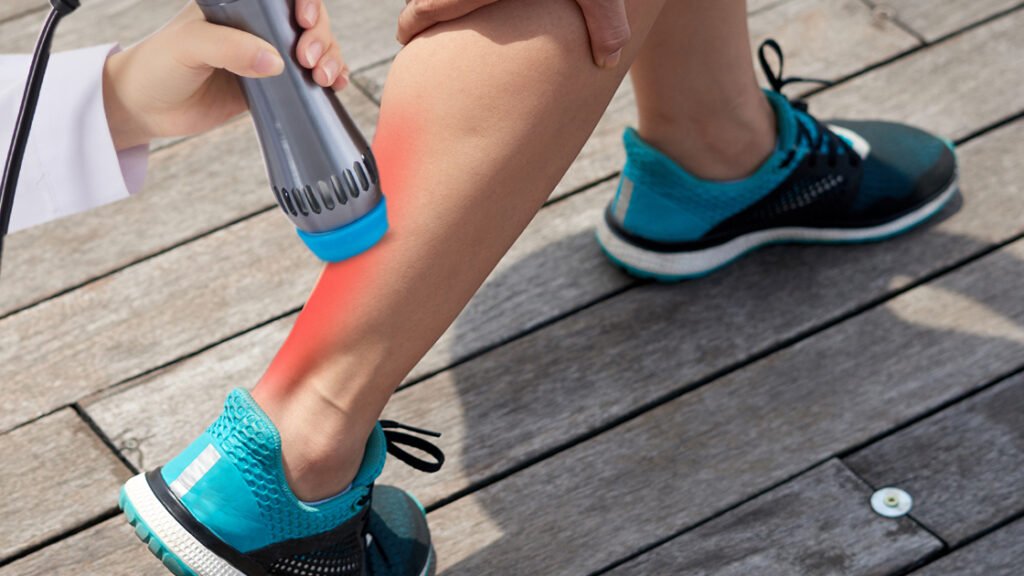
Extracorporeal shockwave therapy (ESWT) delivers high-energy acoustic pulses to affected tissues through specialized transducers, generating mechanical stress that stimulates cellular metabolic activity and tissue regeneration. Two primary types exist: focused shockwaves, which concentrate energy at specific tissue depths, and radial shockwaves, which disperse energy over broader areas. The therapy utilizes pneumatic, electromagnetic, or piezoelectric energy sources to generate acoustic waves with frequencies ranging from 1-10 Hz and energy densities between 0.08-0.35 mJ/mm². Treatment protocols typically involve 3-5 sessions spaced weekly, with each session delivering 2000-4000 impulses to the affected region under ultrasound or palpation guidance.
How Shockwave Therapy Works Specifically for Achilles Tendonitis
Shockwave therapy promotes Achilles tendon healing through multiple biological mechanisms, including mechanical stimulation of cellular metabolism, neovascularization induction, and inflammatory mediator modulation. The acoustic energy creates controlled microtrauma that triggers natural healing cascades, promoting collagen synthesis and tissue remodeling. Mechanotransduction processes activate growth factors such as VEGF, TGF-β, and IGF-1, which facilitate angiogenesis and tendon regeneration. Additionally, shockwave therapy demonstrates analgesic effects through gate control theory mechanisms and substance P depletion, providing immediate pain relief. The treatment specifically targets the hypovascular watershed area of the Achilles tendon, promoting blood flow and nutrient delivery to facilitate healing.
Clinical Evidence Supporting Shockwave Therapy
Multiple randomized controlled trials and systematic reviews demonstrate shockwave therapy’s efficacy for chronic Achilles tendonitis management. Studies report significant pain reduction, functional improvement, and high patient satisfaction rates ranging from 65-91%. A landmark study by Rompe et al. showed superior outcomes compared to eccentric exercises alone at 4-month follow-up. Meta-analyses indicate moderate to strong evidence supporting ESWT effectiveness, particularly for chronic cases unresponsive to conservative treatment. Success rates are highest when treatment begins after 6 months of failed conservative therapy. Long-term follow-up studies demonstrate sustained benefits lasting 12-24 months post-treatment, with minimal adverse effects reported in clinical trials.
The Shockwave Therapy Procedure for Achilles Tendonitis
The shockwave therapy procedure begins with comprehensive patient evaluation, including ultrasound examination to identify treatment areas and rule out complete tendon ruptures. Patients are positioned prone with the affected foot hanging over the examination table edge. A coupling gel is applied to ensure optimal energy transmission between the transducer and skin surface. Treatment parameters are individualized based on patient tolerance and tissue response, typically starting with lower energy densities and gradually increasing intensity. The procedure duration ranges from 5-15 minutes per session, with most patients experiencing mild to moderate discomfort during treatment. Post-treatment care includes activity modification for 24-48 hours and progressive return to activities as tolerated.
Advantages of Shockwave Therapy Over Traditional Therapies
Shockwave therapy offers several advantages over conventional treatments, including non-invasive delivery, minimal adverse effects, and ability to stimulate natural healing processes without pharmaceuticals. Unlike corticosteroid injections, ESWT does not increase rupture risk or cause tendon weakening. The treatment can be performed in outpatient settings without anesthesia, allowing immediate return to daily activities. Cost-effectiveness analyses demonstrate favorable outcomes compared to surgical interventions or prolonged conservative therapy. Additionally, shockwave therapy can be combined with other treatment modalities, enhancing overall therapeutic effectiveness. The treatment shows particular benefit for chronic cases that have failed to respond to traditional conservative measures, providing an alternative to surgical intervention.
Integrating Shockwave Therapy with Lifestyle and Preventive Measures
Successful Achilles tendonitis management extends beyond isolated therapeutic interventions, requiring comprehensive integration of shockwave therapy with lifestyle modifications, exercise programs, and preventive strategies. This holistic approach maximizes treatment outcomes while addressing underlying contributing factors that may predispose to injury recurrence.
Targeted Exercises and Stretching for Tendon Healing
Post-shockwave therapy exercise protocols focus on progressive loading to promote tendon remodeling and restore functional capacity. Eccentric strengthening exercises remain fundamental, with heel drop protocols modified to accommodate individual healing stages. Initial phases emphasize gentle range of motion and isometric contractions, progressing to isotonic and functional movement patterns. Gastrocnemius and soleus stretching programs should be maintained throughout recovery, with particular attention to pre and post-activity routines. Proprioceptive training using balance boards and unstable surfaces enhances neuromuscular control and reduces reinjury risk. Exercise progression follows pain-guided principles, with activities advanced based on symptom response and functional improvement rather than predetermined timelines.
Choosing Proper Footwear and Supports
Appropriate footwear selection plays a crucial role in Achilles tendonitis prevention and recovery optimization. Running shoes should provide adequate heel cushioning, appropriate heel-to-toe drop ratios (typically 8-12mm), and motion control features matching individual foot mechanics. Gradual transitions to minimalist footwear prevent excessive tendon stress, requiring 6-8 week adaptation periods. Custom orthotic devices address biomechanical abnormalities identified during gait analysis, particularly excessive pronation or supination patterns. Heel lifts may be temporarily beneficial during acute phases, though gradual weaning prevents adaptive shortening. Supportive bracing or taping techniques can provide additional stability during return to athletic activities, though long-term dependence should be avoided to maintain natural movement patterns.
Gradual Activity Progression Post-Therapy
Return to activity following shockwave therapy requires systematic progression to prevent symptom recurrence and optimize long-term outcomes. Initial phases focus on low-impact activities such as walking, swimming, or cycling, gradually introducing weight-bearing exercises as tolerated. Running progression typically begins with short-duration, low-intensity sessions on even surfaces, with gradual increases in distance and pace based on symptom response. Hill running, jumping, and plyometric activities are reintroduced during later phases after demonstrating pain-free participation in level ground activities. Training load should increase by no more than 10% weekly to allow adequate tissue adaptation. Athletes should maintain detailed activity logs to monitor symptom patterns and guide progression decisions.
Nutrition and Tendon Health
Nutritional optimization supports tendon healing and may enhance shockwave therapy outcomes through improved tissue regeneration and reduced inflammation. Adequate protein intake (1.2-2.0 g/kg body weight) provides essential amino acids for collagen synthesis, with particular emphasis on glycine, proline, and hydroxyproline. Vitamin C supplementation (500-1000mg daily) acts as a cofactor in collagen cross-linking and demonstrates anti-inflammatory properties. Omega-3 fatty acids from fish oil or plant sources may reduce inflammatory mediators and support tissue healing processes. Hydration maintenance ensures optimal nutrient delivery and waste removal from tendon tissues. Anti-inflammatory foods including berries, leafy greens, and turmeric may provide additional healing benefits, though evidence remains preliminary and requires further research.
When to Consider Specialist Consultation
While many cases of Achilles tendonitis respond well to conservative management and shockwave therapy, certain clinical scenarios warrant specialist evaluation to prevent serious complications and optimize treatment outcomes. Recognizing these situations ensures appropriate and timely referral to orthopedic specialists, sports medicine physicians, or other healthcare providers with advanced expertise in tendon disorders.
Warning Signs Indicating Severe Achilles Tendon Damage
Several clinical presentations suggest severe tendon damage requiring immediate specialist evaluation and potential surgical intervention. Complete loss of plantarflexion strength, palpable tendon defects, or positive Thompson test results indicate partial or complete tendon ruptures requiring urgent assessment. Progressive tendon thickening, nodule formation, or failure to respond to 6 months of appropriate conservative treatment may suggest advanced tendinopathy requiring specialized management. Acute onset severe pain following audible “pop” sounds, especially in patients with prior tendonitis history, warrants immediate evaluation for acute rupture. Chronic insertional tendonitis with associated retrocalcaneal bursitis or Haglund’s deformity may require surgical correction when conservative measures fail.
Surgical Options for Advanced or Non-responsive Cases
Surgical intervention becomes necessary when conservative treatments, including shockwave therapy, fail to provide adequate symptom relief or functional improvement after 6-12 months. Procedures include percutaneous tenotomy, open debridement with tendon repair, gastrocnemius recession, or calcaneal exostectomy for insertional disease. Minimally invasive techniques such as ultrasound-guided percutaneous needle tenotomy offer reduced morbidity compared to open procedures. Tendon transfer procedures using flexor hallucis longus or flexor digitorum longus may be necessary for extensive tendon damage. Post-surgical rehabilitation typically requires 3-6 months, with gradual progression from immobilization to full activity participation. Success rates for surgical intervention range from 75-95%, though outcomes depend on pre-operative tendon condition and patient compliance with rehabilitation protocols.
Conclusion
Achilles tendonitis is a complex condition that requires a thorough understanding of its causes and treatment options. Shockwave therapy has emerged as an effective, non-invasive treatment, especially for patients who haven’t responded to conventional methods. Clinical studies show it provides significant pain relief, functional improvement, and high patient satisfaction. Its success lies in its ability to complement other therapies, such as exercise and lifestyle changes, offering lasting relief for chronic cases. With minimal side effects, it serves as a viable alternative to invasive treatments. Healthcare providers should consider shockwave therapy, particularly for patients with chronic symptoms lasting over 6 months, ensuring proper technique and integration with rehabilitation. As tendon healing research progresses, shockwave therapy’s role in treatment will continue to expand, offering hope for quicker, more effective recovery.
Frequently Asked Questions (FAQ)
Most patients start to feel relief after just a few sessions. Typically, a full course involves 3 to 5 sessions, spaced a week apart. However, the number of sessions required can vary depending on the severity of the condition and individual response to treatment.
Shockwave Therapy is considered safe, with minimal side effects. Most patients experience only mild bruising or discomfort at the treatment site, which resolves quickly. There’s no need for anesthesia, and since it’s non-invasive, it avoids the risks associated with surgery or injections.
Shockwave Therapy is especially effective for patients with chronic Achilles tendonitis (lasting more than 6 months) who haven’t had success with traditional treatments. If you’re still experiencing pain, stiffness, or mobility issues despite conservative treatments, Shockwave Therapy might be a suitable option. A consultation with a healthcare provider will help determine if it’s right for you.
While Shockwave Therapy can cause mild discomfort during treatment, most patients find the procedure tolerable. The discomfort typically decreases as the healing process begins. A typical session lasts around 15 to 20 minutes, and patients can usually return to daily activities immediately afterward.