

Introduction: Understanding Muscle Atrophy
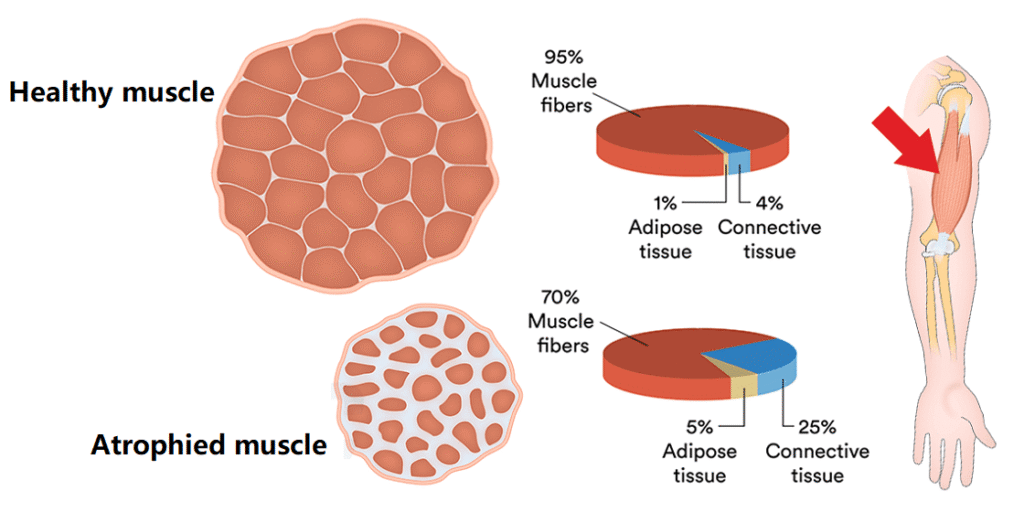
Muscle atrophy—marked by the shrinking and weakening of muscle fibers—is a condition that impacts countless individuals. Whether caused by prolonged inactivity, aging, or neurological issues, atrophy leads to reduced strength, impaired mobility, and a decline in quality of life. Traditional interventions like physical therapy and nutritional support have long been the gold standards for managing this condition. However, in recent years, an unexpected player has emerged in the battle against muscle loss: shock wave therapy. Could this technology, originally designed for breaking up kidney stones, actually help rebuild weakened muscles? Let’s explore.
What Is Shock Wave Therapy?
Before understanding how shock wave therapy helps combat muscle atrophy, it’s essential to grasp the fundamentals of what this treatment is and how it interacts with the body.
The Science Behind Shock Wave Technology
Shock wave therapy, more formally known as Extracorporeal Shock Wave Therapy (ESWT), uses high-energy acoustic waves to stimulate healing in soft tissues. These waves are generated outside the body and directed at specific areas through a hand-held applicator. There are two primary types of shock waves used: focused and radial. Focused shock waves penetrate deeper and are ideal for treating specific deep-seated tissues, while radial waves spread out and are better suited for larger, surface-level areas. The mechanical force from shock waves produces what’s called mechanotransduction—a process where physical energy is converted into biochemical signals. This stimulates a range of cellular responses, including the activation of growth factors, improved blood flow, and the breakdown of calcified fibroblasts. While this might sound highly technical, it simply means the body is prompted to heal itself in more efficient ways.
How Shock Waves Interact with Muscle Tissue
When applied to muscle tissue, shock waves do far more than just disrupt pain signals—they actually promote regeneration. The acoustic pulses create controlled microtrauma, which triggers a healing cascade. This process increases capillary density, improves oxygenation, and encourages the proliferation of muscle satellite cells—key players in muscle repair and growth. Furthermore, shock waves have been shown to upregulate important cellular messengers like nitric oxide and vascular endothelial growth factor (VEGF), both of which are crucial in promoting blood vessel formation and tissue remodeling. In practical terms, this means better nutrient delivery to the affected area and a more conducive environment for muscles to recover. It’s a chain reaction that helps weak muscles get stronger, faster.
How Shock Wave Therapy Helps in Muscle Atrophy
Now that we’ve covered how shock waves work, let’s take a closer look at their specific benefits in treating muscle atrophy. Each mechanism contributes uniquely to reversing muscle loss.
Promotes Blood Flow and Tissue Regeneration
One of the most critical components in muscle health is adequate blood flow. Without it, muscles starve of the oxygen and nutrients needed to maintain and rebuild themselves. Shock wave therapy excels in stimulating angiogenesis, the formation of new blood vessels. This is largely due to its ability to increase the expression of VEGF, a protein that triggers the growth of capillaries around the treated area. As circulation improves, damaged or dormant tissues receive the biological “fuel” required for regeneration. Additionally, shock waves help dissolve microfibrosis—a common barrier to muscle healing—thereby restoring tissue elasticity and function. The therapy creates an environment rich in healing signals, effectively restarting the body’s natural repair mechanisms in areas where it had previously stalled.
Activates Satellite Cells for Muscle Regrowth
Satellite cells are muscle stem cells that lie dormant until they are called upon to repair damaged muscle fibers. When muscle tissue undergoes stress or injury, these cells multiply, migrate to the damaged area, and fuse to form new muscle fibers. Shock wave therapy has been shown to increase the activation and proliferation of these cells significantly. This is crucial in reversing muscle atrophy, as satellite cell activity directly correlates with muscle hypertrophy and strength recovery. In research settings, animals treated with ESWT showed increased satellite cell density, leading to more robust muscle regrowth. For humans, this translates to faster and more sustainable recovery, especially after injuries or during rehabilitation from chronic muscle-wasting conditions.
Reduces Muscle Stiffness and Pain
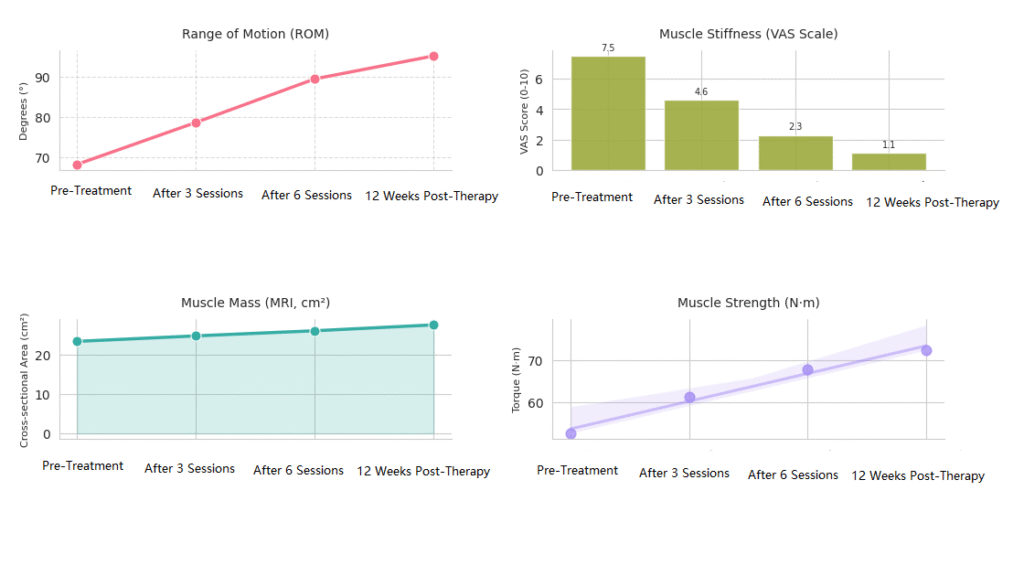
Muscle atrophy doesn’t occur in isolation—it’s often accompanied by stiffness, soreness, and reduced range of motion. These symptoms not only affect comfort but can also hinder effective rehabilitation. Shock wave therapy addresses this issue by desensitizing nerve endings and modulating pain-signaling pathways. It’s believed that the mechanical pressure from shock waves disrupts the pain-spasm cycle and stimulates the release of endorphins, the body’s natural painkillers. Moreover, ESWT reduces tissue stiffness by breaking down scar tissue and promoting collagen restructuring. This leads to improved muscle flexibility and function. For patients recovering from surgery or immobilization, these effects can make the difference between a slow, painful recovery and a smooth, progressive return to mobility.
Combats Muscle Disuse After Injury or Surgery
Post-injury and post-operative periods often involve immobilization, which accelerates muscle atrophy. Unfortunately, during these phases, traditional strength training isn’t always feasible. This is where shock wave therapy shines—it provides mechanical stimulation to muscles without requiring active movement from the patient. By mimicking the beneficial stress that physical activity places on muscles, ESWT can maintain tissue integrity even during inactivity. The therapy stimulates mitochondrial function and protein synthesis pathways, both of which are essential for muscle maintenance. In essence, it gives the muscles a “wake-up call” even when the patient is confined to a bed or cast, minimizing the degree of atrophy and making the road to full recovery much shorter.
Clinical Research and Expert Opinion
Scientific validation is critical when evaluating any new medical intervention. Let’s dive into what the latest research and specialists have to say about the role of shock wave therapy in muscle atrophy treatment.
What Studies Say: Shock Wave Therapy and Muscle Recovery
A number of clinical trials and animal studies have highlighted the regenerative effects of ESWT on muscle tissue. For example, a 2021 pilot study on patients undergoing dialysis—who are prone to muscle wasting—found that radial shock wave therapy significantly improved muscle thickness and strength over a few weeks. Researchers attributed these benefits to increased satellite cell activation and improved local circulation. Other studies involving subjects with sciatic nerve injuries and post-immobilization atrophy have reported similar outcomes. The consistency of findings across different populations reinforces the potential of shock wave therapy as a regenerative modality. Though more large-scale studies are needed, the current evidence is encouraging and suggests a real therapeutic benefit in treating muscle atrophy.
Insights from Sports Medicine and Neurology Specialists
Professionals in sports medicine and neurology have increasingly incorporated shock wave therapy into their rehabilitation protocols. According to Dr. Martin Hausner, a renowned sports rehabilitation specialist, ESWT offers a “non-invasive, low-risk supplement to conventional therapy that stimulates both soft tissue and muscle regeneration.” Neurologists working with stroke or spinal cord injury patients also note improvements in muscle tone and function following ESWT. They emphasize, however, that the treatment should be tailored to each patient’s unique pathology and recovery timeline. While it’s not a silver bullet, shock wave therapy is quickly gaining a reputation as a valuable tool in the hands of trained professionals.
Global Guidelines and Recommendations
While ESWT is approved for various musculoskeletal conditions in many countries, its use for muscle atrophy is still considered off-label in some regions. However, health organizations and regulatory bodies acknowledge its safety profile and growing body of evidence. The International Society for Medical Shockwave Treatment (ISMST) recommends that treatments be conducted under professional supervision and paired with functional assessments. Clinical guidelines are gradually incorporating ESWT as an adjunct therapy for rehabilitation—especially for populations unable to participate in conventional exercise-based programs. As more research accumulates and protocols become standardized, ESWT may soon be a mainstream option in muscle atrophy recovery.
What to Expect During Shock Wave Therapy
Now that the science and benefits of shock wave therapy are clear, patients often ask: What is the treatment experience actually like? This section provides a detailed look at the process, safety, and how ESWT stacks up against other muscle atrophy therapies.
Procedure Overview and Patient Experience
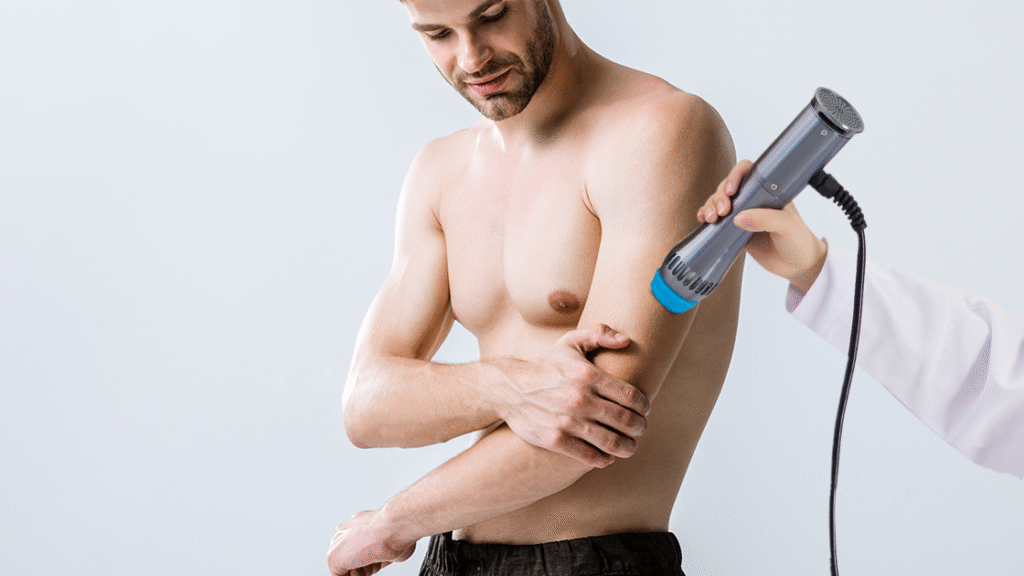
A typical shock wave therapy session is surprisingly simple. After an initial evaluation, a trained clinician applies a conductive gel to the treatment area. This gel helps transmit the acoustic waves efficiently. Next, a handheld applicator is positioned over the affected muscle. The device delivers high-frequency pulses in cycles lasting 10–20 minutes. Most patients feel a tapping or vibrating sensation. It may be mildly uncomfortable but is usually well tolerated. Unlike surgery or dry needling, ESWT needs no anesthesia and has zero downtime. Some people experience mild soreness afterward, like post-workout fatigue. This usually fades within 24 to 48 hours. Most protocols involve 3 to 6 sessions, spaced one week apart. The number depends on the severity and cause of muscle atrophy. Patients may notice better range of motion and less muscle tightness right away. In the weeks that follow, gains in strength and muscle mass often appear.
Is Shock Wave Therapy Safe?
Safety is a key concern in any therapeutic intervention, and shock wave therapy is considered exceptionally safe when administered by trained professionals. The non-invasive nature of ESWT eliminates the risks associated with surgical procedures—such as infection, bleeding, and scarring. Adverse effects are rare and usually mild, including localized redness, swelling, or discomfort that subsides quickly. Contraindications do exist, however. Patients with bleeding disorders, malignancies near the treatment site, or those with pacemakers should avoid ESWT unless cleared by a physician. Studies on long-term use also support its safety profile. A 2015 study in the Journal of Surgical Research showed no tissue damage or adverse cellular changes after repeated applications. Overall, ESWT offers a low-risk, high-reward option for patients seeking muscle regeneration without invasive procedures or pharmaceutical side effects.
Comparing ESWT with Other Muscle Atrophy Treatments
Muscle atrophy is traditionally managed through physical therapy, nutritional supplementation, neuromuscular electrical stimulation (NMES), and resistance training. While these methods are effective, they rely heavily on patient participation and functional capacity, which is not always feasible—especially for post-operative or immobilized individuals. Shock wave therapy stands out because it stimulates healing without requiring active engagement. Unlike NMES, which can be uncomfortable due to electrical impulses, ESWT uses mechanical energy that is generally better tolerated. Unlike anabolic steroids or growth hormone treatments, ESWT does not carry systemic side effects or ethical concerns. ESWT is also uniquely versatile—it can be used alongside traditional rehab approaches or independently when other methods aren’t possible. In essence, it fills a critical gap in muscle atrophy management, particularly in hard-to-treat or high-risk patient groups.
Who Can Benefit from Shock Wave Therapy?
Given its wide range of physiological effects and safety profile, shock wave therapy is suitable for a diverse array of patients suffering from muscle atrophy. Let’s explore the categories of individuals who stand to gain the most.
Post-Surgical and Immobile Patients
Muscle atrophy due to immobility after surgery is a common and often unavoidable complication. Extended periods of bed rest or cast immobilization lead to rapid muscle wasting, making recovery harder. For these patients, early intervention is critical—but active rehab may not be possible during the initial healing phase. Shock wave therapy offers a passive yet powerful solution. By enhancing blood flow, stimulating satellite cells, and reducing fibrosis, ESWT can preserve muscle integrity during the critical period before active therapy begins. Several case studies highlight faster rehab timelines and reduced complications when ESWT is integrated early in post-operative care. Moreover, it’s an excellent bridge therapy—keeping muscles engaged biologically until patients are physically ready to participate in strength training and functional movement exercises.
Elderly Patients with Sarcopenia
Sarcopenia, the age-related decline in muscle mass and function, affects up to 50% of people over the age of 80. It increases the risk of falls, frailty, and loss of independence. Traditional interventions like resistance training and protein supplementation are helpful, but compliance is often low due to physical limitations or comorbidities. ESWT provides a non-strenuous, well-tolerated option for elderly individuals who may not be candidates for high-intensity exercise. The therapy improves microcirculation, increases mitochondrial activity, and activates muscle stem cells—countering several of the biological mechanisms behind sarcopenia. Regular sessions may also contribute to improved balance, reduced pain, and enhanced mobility—transforming quality of life for aging patients with declining muscular health.
Athletes with Localized Atrophy
Even the fittest athletes are not immune to muscle atrophy. After an injury, especially to joints or tendons, localized muscle wasting can occur rapidly due to reduced use or neural inhibition. Common examples include quadriceps atrophy after knee surgery or calf muscle wasting after an Achilles tendon rupture. Shock wave therapy serves as a targeted approach to regenerate muscle in these isolated regions. Athletes benefit from quicker restoration of strength, better coordination, and faster return-to-play timelines. Additionally, ESWT helps minimize the risk of re-injury by addressing both muscle function and soft tissue quality simultaneously. Many sports physiotherapists now incorporate ESWT into high-performance rehab protocols for these reasons, citing it as a key adjunct to traditional exercise-based recovery.
Neurological Patients
Muscle atrophy is a prominent symptom in patients with neurological conditions such as stroke, multiple sclerosis, and spinal cord injury. In these cases, the muscle loss is compounded by spasticity, poor coordination, and impaired neural control. Rehabilitation can be challenging, especially when voluntary movement is severely compromised. Shock wave therapy shows promise in this population by modulating neuromuscular tone and promoting localized muscle regeneration. For instance, research published in Frontiers in Neuroscience demonstrated that ESWT reduced spasticity in stroke survivors and improved wrist muscle compliance. Importantly, ESWT can be integrated into neuro-rehab settings without aggravating symptoms or requiring active participation—making it a safe and effective option for patients with complex neurological impairments.
Conclusion: Getting Started with Shock Wave Therapy
Shock wave therapy is no longer just a treatment for tendon pain or plantar fasciitis—it’s rapidly becoming a cornerstone in modern muscle recovery. By promoting blood flow, activating muscle stem cells, and reducing stiffness, ESWT offers a comprehensive solution for reversing atrophy in patients of all ages and activity levels. Whether you’re recovering from surgery, managing a chronic illness, or trying to regain peak performance, shock wave therapy could be the missing link in your rehab journey. As with any medical intervention, consultation with a qualified provider is essential to ensure a safe, personalized approach. Ready to rebuild your strength? Now is the time to explore what shock wave therapy can do for you.
FAQs
Yes. Shock wave therapy stimulates satellite cells and boosts blood flow, creating conditions for muscle regrowth. While it won’t build bulk like weight training, it supports recovery in those unable to exercise, such as post-surgical patients.
Shock wave therapy delivers mechanical energy non-invasively. Unlike electrical stimulation or exercise-based rehab, it passively promotes healing by improving microcirculation, reducing fibrosis, and activating cell regeneration.
Typically, 3 to 6 weekly sessions are recommended. Pain relief and circulation benefits may appear early, while muscle strength and function improve gradually over several weeks.
Yes. ESWT is a safe, low-effort option for elderly individuals. It supports muscle maintenance by increasing mitochondrial activity and improving blood supply, especially when exercise isn’t possible.
Shock wave therapy is safe when applied correctly. Minor side effects include soreness or redness. It’s not recommended for those with infections, tumors near the area, or bleeding issues.
Good candidates include people recovering from surgery, the elderly with sarcopenia, athletes with localized muscle loss, and neurological patients (e.g., stroke survivors) who can’t perform active rehab.