

Introduction
Watching a large dog struggle to rise after a nap is heart‑breaking. The stiffness in the front leg, the hesitation before climbing a few steps, the subtle limp that appears after a long walk — these are common signs of canine elbow dysplasia. This developmental condition affects the elbow joint, leading to cartilage damage, wear and tear, and eventually persistent discomfort. Traditional management often relies on pain medications or supplements, but many owners worry about long‑term side effects. Extracorporeal shockwave therapy has emerged as a non‑invasive, drug‑free option that some veterinarians integrate into rehabilitation plans for dogs with joint problems. This article explains how shockwave therapy works for elbow dysplasia, what it might help with, and what owners should consider when exploring this supportive treatment.
1. Understanding Canine Elbow Dysplasia and Its Impact
Canine elbow dysplasia is not a single disease but a group of developmental abnormalities that affect the elbow joint, most commonly in medium‑to‑large breeds. The condition leads to improper fit of the joint surfaces, causing cartilage erosion and secondary arthritis.
1.1 What Happens Inside an Arthritic Elbow
In a healthy elbow, the humerus, radius, and ulna glide smoothly against each other, cushioned by cartilage. In elbow dysplasia, subtle growth abnormalities — such as a fragmented coronoid process, osteochondritis dissecans, or ununited anconeal process — disrupt this harmony. The result is uneven weight distribution, excessive friction, and gradual destruction of the cartilage layer. As the condition progresses, the body attempts to repair the damage, but inflammation and bone spurs often worsen the problem. Eventually, the dog experiences pain, reduced range of motion, and lameness that can vary from mild stiffness after rest to a persistent limp.
1.2 Common Signs Owners Notice First
The early symptoms of elbow dysplasia can be subtle. An owner might notice that their Labrador or German Shepherd seems stiff after lying down for a while, or that the dog is reluctant to jump into the car. Some dogs show a slight head bob when walking, shifting weight away from the sore leg. Over time, the affected limb may develop muscle atrophy because the dog avoids putting full pressure on it. The discomfort is often worse after strenuous activity or in cold, damp weather. Many owners initially attribute these signs to “just getting older,” but early recognition matters for managing the condition before it becomes severely debilitating.
1.3 Why Conservative Management Sometimes Falls Short
Conventional approaches to elbow dysplasia include weight control, physical therapy, joint supplements (glucosamine, omega‑3s), and non‑steroidal anti‑inflammatory drugs (NSAIDs). While these can reduce inflammation and improve comfort, they do not directly address the underlying cartilage wear or stimulate tissue repair. Long‑term NSAID use carries potential risks for the liver, kidneys, and gastrointestinal tract. Some dogs simply do not tolerate these medications well. Surgery — such as arthroscopy to remove bone fragments — is an option for certain cases but is not suitable for every dog, especially older patients or those with advanced arthritis. This gap in treatment options is where supportive therapies like shockwave therapy may offer additional benefit.
2. How Shockwave Therapy Works for Joint and Cartilage Support
Extracorporeal shockwave therapy delivers acoustic waves to targeted tissues. Unlike surgical procedures, it does not require incisions or sedation, and most dogs tolerate it well.
2.1 The Mechanical Stimulus Behind the Therapy
A shockwave device generates high‑energy sound waves that travel through the skin and soft tissues to reach the elbow joint. These mechanical pulses create a gentle, controlled force within the cartilage and underlying bone. The body interprets this as a mild “micro‑trauma,” which triggers natural healing responses. In the context of elbow dysplasia, the acoustic waves may help improve blood flow to the joint capsule, encourage the resorption of inflammatory byproducts, and promote the activity of cells responsible for maintaining healthy cartilage. This is not a cure, but it may create a more favorable environment for the joint to function and repair itself slowly over time.
2.2 Potential Support for Cartilage Health
While shockwave therapy does not rebuild lost cartilage, some research suggests it can influence the metabolism of chondrocytes — the cells that maintain cartilage. The mechanical stimulation may help reduce the release of enzymes that break down cartilage and increase the production of molecules that keep cartilage resilient. In practical terms, a dog receiving shockwave therapy might experience slower progression of joint wear and a reduction in the painful inflammation that accompanies elbow dysplasia. Owners often report that their dog appears more willing to use the treated leg after a course of treatments.
2.3 How the Therapy Affects Pain Perception
One of the most immediate benefits of shockwave therapy is its effect on pain. The acoustic waves can interfere with pain signaling pathways. This is sometimes described as a “neural reset” that reduces the intensity of discomfort without the need for additional medication. For a dog with chronic elbow pain, this can mean less guarding behavior, easier weight‑bearing on the arthritic limb, and a return to more normal activities like walking, trotting, and even playing. The pain‑relieving effect is not permanent but can last for weeks or months, making it a useful tool for managing flare‑ups.
3. Incorporating Shockwave Therapy into a Dog’s Elbow Dysplasia Care Plan
Shockwave therapy is not a standalone solution. It works best as part of a broader strategy that includes weight management, controlled exercise, and sometimes medication.
3.1 When Veterinarians Might Recommend It
A veterinarian may suggest shockwave therapy when a dog has mild‑to‑moderate elbow dysplasia that causes noticeable lameness but is not yet severe enough to warrant surgery. It can also be used for dogs that cannot take NSAIDs due to other health conditions or for patients that have reached a plateau with conventional treatments. Some practitioners integrate shockwave therapy into post‑surgical recovery protocols to help reduce swelling and support tissue healing. The therapy is generally considered for dogs that still have good overall mobility but need help managing intermittent pain.
3.2 What a Typical Session Looks Like
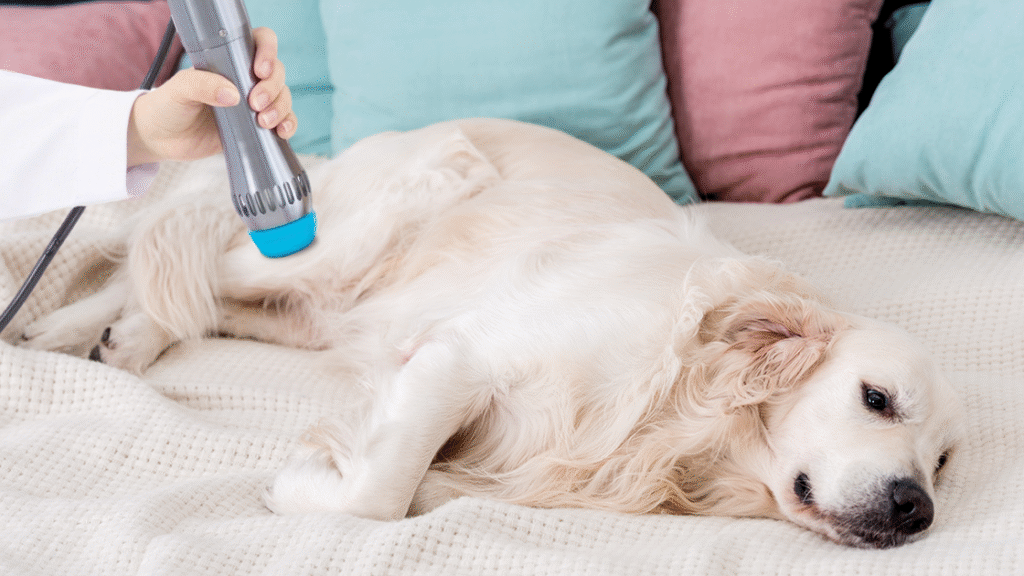
A shockwave session for elbow dysplasia is relatively quick. The dog stands or lies comfortably while the veterinarian or technician applies a handheld device to the skin around the elbow joint. A coupling gel helps conduct the acoustic waves. The dog may feel a tapping or thumping sensation, but most tolerate it without sedation. Each session typically lasts about five to fifteen minutes. A full course often involves three to five sessions spaced one week apart. There is no downtime, and the dog can resume normal activity immediately afterward.
3.3 How Owners Can Support the Treatment at Home
To get the best results from shockwave therapy, owners should follow their veterinarian’s recommendations regarding weight control and exercise. Keeping the dog at a lean body weight reduces stress on the elbow joints. Low‑impact activities like swimming or leash walks on soft surfaces help maintain muscle strength without causing unnecessary wear. Joint supplements rich in omega‑3 fatty acids may complement the therapy. Owners should also watch for any signs of discomfort after a session, although adverse effects are uncommon.
4. What Owners Should Know Before Trying Shockwave Therapy
Like any medical intervention, shockwave therapy has its limitations and considerations. Being informed helps owners decide whether this option is right for their dog.
4.1 Where Shockwave Therapy Is Most Helpful
Shockwave therapy appears to be most beneficial for dogs with chronic, low‑grade elbow pain that interferes with daily life but is not associated with severe bone fragmentation or joint instability. It may help reduce the frequency of lameness episodes, improve the dog’s willingness to rise from lying down, and decrease stiffness after rest. Many owners note that their dog seems more comfortable during walks and sleeps more soundly after a course of treatments. For dogs with advanced arthritis, the therapy may still provide some pain relief, though the effect might be more modest.
4.2 What It Cannot Do
Shockwave therapy does not reverse existing cartilage damage or correct the underlying structural abnormalities of elbow dysplasia. It is not a substitute for surgery in cases where a loose bone fragment is causing mechanical locking. Also, not every dog responds the same way; some may show significant improvement, while others experience only mild benefit. Owners should have realistic expectations — the goal is better comfort and function, not a complete cure.
4.3 Safety and Side Effects
For the vast majority of dogs, shockwave therapy is very safe. The most common side effect is mild temporary soreness in the treated area, which usually resolves within a day or two. Some dogs may develop a small bruise or local swelling. Serious complications are rare. Because the therapy does not involve drugs, it can be used alongside other treatments without concern for interactions. However, it should not be used over active infections, cancerous lesions, or in pregnant animals.
5. Long‑Term Outlook for Dogs with Elbow Dysplasia
Elbow dysplasia is a lifelong condition, but with proper management, many dogs enjoy good quality of life for years. Shockwave therapy can play a supportive role in maintaining comfort.
5.1 Integrating Shockwave into a Maintenance Routine
For dogs that respond well, veterinarians sometimes recommend “booster” sessions every few months to keep pain under control. This periodic approach allows owners to manage flare‑ups before they become severe. Over time, some dogs may need fewer sessions, while others benefit from regular maintenance. The key is to monitor the dog‘s activity level and adjust the plan based on how they move and behave.
5.2 Recognizing When More Aggressive Care Is Needed
If a dog’s lameness worsens despite shockwave therapy and other conservative measures, it may be time to revisit the veterinarian for further imaging or to discuss surgical options. Signs that warrant re‑evaluation include dragging the toe, extreme reluctance to bear weight, or visible swelling around the elbow joint. Early intervention in such cases can prevent additional joint damage and improve long‑term outcomes.
5.3 Celebrating Small Improvements
For owners, the success of shockwave therapy is often measured in small but meaningful ways. A dog that used to limp after every walk now only limps on longer hikes. A dog that hesitated to climb stairs now does so with less hesitation. A dog that woke up stiff and slow now rises more easily. These incremental gains add up to a better quality of life, both for the dog and the family that loves them.
FAQ
Q1: Does shockwave therapy for elbow dysplasia hurt my dog?
Most dogs tolerate the procedure well. They may feel a tapping sensation, but it is generally not painful. Some dogs are relaxed enough to receive treatment without restraint.
Q2: How many sessions will my dog need?
A common protocol involves three to five sessions, each about one week apart. Your veterinarian will tailor the number based on your dog’s response.
Q3: Can my dog take pain medication while receiving shockwave therapy?
Yes. Shockwave therapy can be used alongside most pain medications. However, some veterinarians may adjust the medication schedule to better assess the therapy’s effect.
Q4: How soon will I see improvements?
Some owners notice a difference after the first or second session. For others, improvement becomes more evident a few weeks after completing the full course.
Q5: Is shockwave therapy a permanent fix for elbow dysplasia?
No. It helps manage symptoms and may slow progression, but it does not correct the underlying joint abnormalities. Ongoing care and periodic maintenance sessions are often needed.
Conclusion
Canine elbow dysplasia can be a frustrating condition for both dogs and their owners. The good news is that non‑invasive supportive options like shockwave therapy are available. By delivering acoustic waves to the affected joint, this treatment may help reduce pain, improve mobility, and support cartilage health without the need for daily medication or surgery. It is not a miracle cure, but for many large‑breed dogs with mild‑to‑moderate elbow discomfort, it offers a practical way to stay active and comfortable. If your dog shows signs of elbow pain, a conversation with your veterinarian about whether shockwave therapy could be part of their care plan is a worthwhile step toward more wagging tails and happier walks.
References
Shockwave Machines. Indications – Veterinary.
https://www.shockwavemachines.com/indications
American College of Veterinary Surgeons. Elbow Dysplasia in Dogs.
Veterinary Practice News. Shockwave Therapy for Canine Osteoarthritis.
https://www.veterinarypracticenews.com
PetMD. Elbow Dysplasia in Dogs: Treatment Options.
Whole Dog Journal. Non‑Surgical Management of Elbow Dysplasia.