

Introduction
Athletic trainers play an important role in supporting athletes through training preparation, physical recovery, and performance maintenance programs. As sports participation continues to increase across different levels, athletic training facilities are exploring advanced technologies that can complement traditional recovery methods. Shockwave Therapy has become a valuable technology option in sports recovery environments because it uses acoustic wave energy to support targeted applications for muscles, tendons, and soft tissue areas. With adjustable pressure settings, frequency control, and different application modes, shockwave systems allow athletic trainers to create personalized recovery programs based on training intensity, movement demands, and individual athlete needs.
1. The Growing Role of Shockwave Therapy in Athletic Training Facilities
Modern athletic training programs focus not only on performance improvement but also on maintaining athlete readiness throughout demanding training schedules. This therapy provides athletic trainers with an additional technology-based approach that can be integrated into comprehensive recovery programs.
1.1 Understanding Shockwave Therapy Technology in Sports Recovery
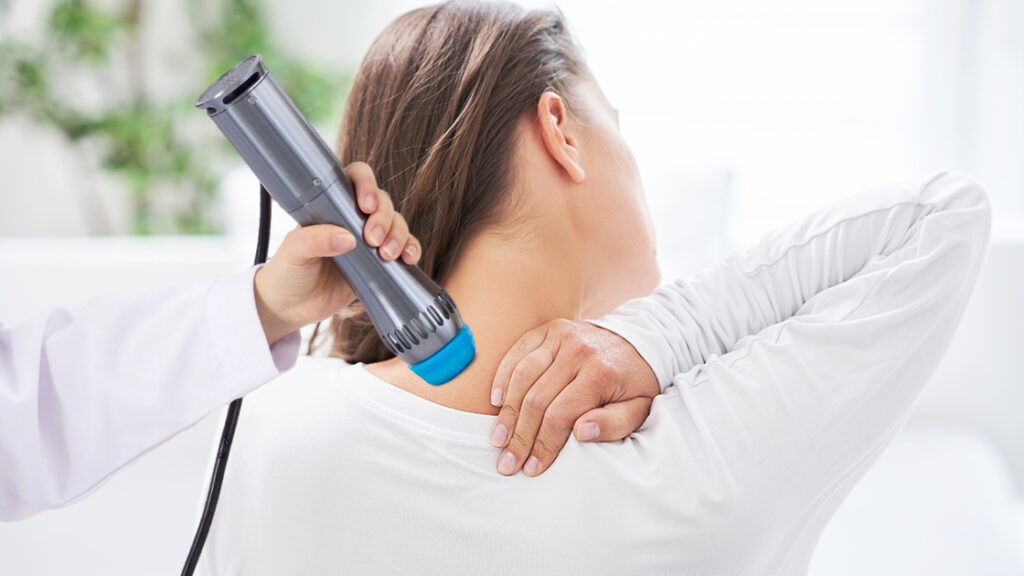
Shockwave Therapy uses acoustic wave energy to create mechanical stimulation in targeted areas. Professional systems commonly include radial shockwave technology and focused shockwave technology, allowing trainers to select different application approaches based on specific recovery goals.
Radial Shockwave Therapy typically delivers energy across a broader surface area, making it suitable for larger muscle groups and general soft tissue applications. Focused Shockwave Therapy concentrates energy into more specific areas, providing professionals with additional flexibility when working with targeted regions.
Athletic trainers can use these technologies as part of broader recovery strategies that include movement assessment, stretching programs, strength training adjustments, and mobility exercises.
1.2 Why Athletic Trainers Are Exploring Shockwave Technology
Sports performance depends on many factors, including training consistency, recovery habits, and physical readiness. Athletes often experience temporary muscle fatigue, repetitive movement stress, and increased physical demands during intense training periods.
Athletic trainers are increasingly interested in technology that can support customized recovery routines. Shockwave Therapy offers adjustable settings that allow professionals to consider different activity levels, sports requirements, and individual preferences.
By incorporating advanced recovery technology, athletic training facilities can provide more diverse support options while creating structured programs that focus on athlete comfort and movement quality.
2. How Shockwave Therapy Supports Sports Recovery Programs
Athletic trainers work with athletes from different backgrounds, including professional sports, college athletics, and recreational training programs. Each group may have different recovery needs, making flexibility an important factor when selecting recovery technology.
2.1 Supporting Athletes During Intensive Training Cycles
Training schedules often involve repeated physical demands that require proper recovery planning. Whether athletes participate in running, strength training, team sports, or competitive events, maintaining physical readiness is an important part of their overall routine.
Shockwave Therapy can be included in recovery programs designed to support muscle relaxation, mobility, and overall physical comfort after demanding activities.
Athletic trainers can integrate shockwave applications with other recovery strategies, such as mobility exercises, warm-up routines, and performance preparation programs. This combined approach allows professionals to create more complete recovery plans.
2.2 The Importance of Customized Shockwave Parameters
Different athletes have different body structures, movement patterns, and training requirements. For this reason, customized settings are essential when using professional shockwave technology.
Modern shockwave systems often provide adjustable parameters, including pressure levels, frequency settings, and treatment modes. These features allow athletic trainers to modify applications according to different areas of focus and athlete conditions.
A personalized approach helps trainers develop recovery programs that align with specific sports activities, training intensity, and individual performance goals.
3. Applications of Shockwave Therapy Across Different Sports Environments
Athletic trainers work in various sports environments, and each setting has unique requirements. From professional teams to training centers, shockwave technology can support different types of recovery programs.
3.1 Shockwave Therapy in Professional Sports Training Facilities
Professional sports facilities require efficient recovery systems because athletes often follow demanding schedules with frequent training sessions and competitions.
Athletic trainers may incorporate this therapy into performance support programs to address areas that experience repeated physical stress from sports activities.
Common application areas may include:
- lower limb muscle groups
- shoulder and upper body areas
- movement-related soft tissue regions
- areas affected by repetitive athletic activities
By adding shockwave technology to existing recovery programs, training facilities can provide additional options for athlete care and physical maintenance.
3.2 Using Shockwave Therapy in College and Amateur Sports Programs
Shockwave Therapy is not limited to professional sports environments. College athletes and recreational competitors also participate in high-intensity training programs that require effective recovery management.
Athletic trainers in educational and community sports settings can use technology-based recovery solutions to support athletes with different experience levels.
With adjustable settings and professional application methods, shockwave systems can fit into various sports programs while allowing trainers to maintain personalized approaches.
4. Integrating Shockwave Therapy Into Modern Athletic Training Programs
As sports science continues to develop, athletic training programs are becoming more comprehensive by combining professional knowledge with advanced recovery technologies. Shockwave Therapy can serve as one component within a broader performance support system, helping trainers create structured programs based on athlete needs.
4.1 Combining Shockwave Therapy With Performance Preparation Strategies
Athletic performance depends on more than training intensity. Proper preparation, movement quality, and recovery habits all contribute to an athlete’s ability to maintain consistent activity levels.
Athletic trainers can integrate this therapy into existing performance programs alongside mobility exercises, flexibility training, strength conditioning, and recovery routines.
By combining different approaches, trainers can develop a more complete strategy that considers the athlete’s training schedule and physical demands. Shockwave technology provides an additional tool that supports personalized recovery planning in professional sports environments.
4.2 The Role of Technology in Athlete Recovery Management
Modern athletic training increasingly relies on technology to improve how professionals evaluate and manage recovery programs. Digital assessment tools, performance tracking systems, and recovery equipment all contribute to a more organized approach.
Shockwave Therapy systems with adjustable pressure levels and frequency control allow athletic trainers to customize applications based on specific program requirements.
For sports professionals, technology does not replace expertise. Instead, it provides additional support that helps trainers create more detailed recovery plans while maintaining a focus on athlete comfort, mobility, and long-term performance goals.
5. Choosing the Right Shockwave Therapy System for Athletic Training Facilities
Selecting suitable equipment is an important decision for athletic training facilities that want to introduce advanced recovery technology. Understanding key features can help professionals choose systems that match their workflow and athlete support programs.
5.1 Important Features of Professional Shockwave Therapy Equipment
Professional shockwave systems often include several adjustable features designed for different application needs. Athletic trainers should consider factors such as energy control, pressure adjustment, frequency options, and application flexibility.
Radial Shockwave Therapy systems may provide broader energy distribution, while focused shockwave technology allows professionals to concentrate energy in specific areas.
Having flexible settings enables trainers to adapt recovery programs for different sports, training levels, and athlete preferences.
5.2 Building a Future-Focused Athletic Recovery Program
Sports recovery continues to evolve as athletes and training professionals look for more personalized approaches. Facilities that combine experienced athletic training knowledge with advanced technology can create more complete recovery environments.
Shockwave Therapy represents one option that supports this technology-driven direction. By integrating adjustable shockwave systems into existing programs, athletic trainers can expand their recovery service options and provide athletes with more customized experiences.
As sports participation continues to grow, recovery technology will remain an important part of athletic training programs focused on movement support, physical preparation, and performance sustainability.
FAQ
Qu'est-ce que la thérapie par ondes de choc ?
Shockwave Therapy is a non-invasive technology that uses acoustic wave energy to support professional recovery and wellness applications.
How do athletic trainers use Shockwave Therapy?
Athletic trainers may include Shockwave Therapy in recovery programs designed to support muscle comfort, mobility, and physical preparation.
Is Shockwave Therapy only used for professional athletes?
No. Shockwave Therapy can be used in different sports environments, including professional teams, college programs, fitness facilities, and recreational training settings.
What is the difference between radial and focused Shockwave Therapy?
Radial Shockwave Therapy generally delivers energy across a wider area, while focused Shockwave Therapy concentrates energy into more targeted regions.
Can Shockwave Therapy be combined with other sports recovery methods?
Yes. Athletic trainers often combine technology-based recovery approaches with mobility exercises, stretching, strength programs, and performance preparation strategies.
Conclusion
Shockwave Therapy is becoming an increasingly valuable technology option for athletic trainers who want to enhance modern sports recovery programs. With features such as adjustable pressure settings, frequency control, radial and focused shockwave options, and targeted acoustic wave delivery, professional systems allow trainers to create flexible recovery strategies for different sports environments. By combining advanced technology with professional athletic training knowledge, facilities can develop more personalized programs that support athlete comfort, mobility, and long-term performance goals.
Références
Extracorporeal Shock Wave Therapy in Musculoskeletal Disorders: A Review of Current Evidence
https://www.ncbi.nlm.nih.gov/pmc/articles/PMC6029890
Shockwave Therapy in Sports Medicine and Rehabilitation
https://www.ncbi.nlm.nih.gov/pmc/articles/PMC7739627
Extracorporeal Shock Wave Therapy: Mechanisms and Clinical Applications
https://www.ncbi.nlm.nih.gov/pmc/articles/PMC3289217
Clinical Applications of Extracorporeal Shock Wave Therapy in Orthopedics and Sports Medicine
https://www.sciencedirect.com/science/article/pii/S1060187219300554
The Role of Physical Agents in Sports Rehabilitation and Recovery