

Introduction
Temporomandibular joint (TMJ) dysfunction is a common condition that may affect jaw movement, facial comfort, and daily activities such as chewing and speaking. As healthcare technology continues to evolve, professionals are exploring advanced non-invasive approaches that can support traditional rehabilitation strategies. Shockwave therapy, which uses controlled acoustic wave energy, has gained attention in rehabilitation and wellness settings because of its targeted application capabilities. With adjustable energy levels and different treatment modes, modern shockwave technology provides professionals with an additional tool for supporting jaw-related muscle and soft tissue wellness as part of a comprehensive care approach.
1. Understanding TMJ Dysfunction and Shockwave Therapy Technology
TMJ dysfunction involves the temporomandibular joint and surrounding structures, including muscles, connective tissues, and facial areas. Understanding the relationship between jaw health and advanced rehabilitation technology helps explain why shockwave therapy has become an area of interest among healthcare professionals.
1.1 What Is TMJ Dysfunction?
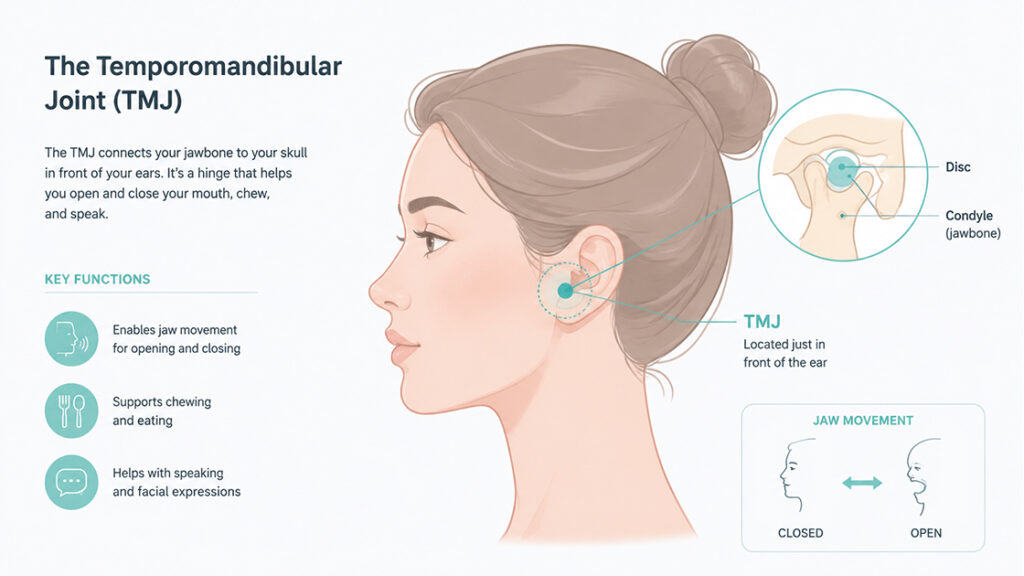
TMJ dysfunction refers to changes or discomfort involving the temporomandibular joint, which connects the jawbone to the skull. This joint plays an important role in everyday movements such as opening the mouth, chewing, and speaking.
People with TMJ-related concerns may experience symptoms such as jaw stiffness, limited movement, clicking sounds, facial muscle tension, or discomfort around the jaw area. These experiences can vary between individuals and may influence daily comfort and quality of life.
Professional evaluation is important because TMJ concerns can involve multiple factors, including jaw movement patterns, muscle conditions, lifestyle habits, and overall oral health.
1.2 How Shockwave Therapy Works in Rehabilitation Settings
Shockwave therapy uses acoustic wave energy delivered to targeted areas of the body. Unlike traditional massage-based approaches, shockwave technology uses mechanical energy waves that can be adjusted according to professional application goals.
Modern systems may include radial and focused shockwave technologies, allowing professionals to select different approaches depending on targeted areas and treatment objectives. This flexibility makes shockwave therapy a technology option considered in rehabilitation and wellness environments.
1.3 Why Shockwave Technology Is Being Explored for Jaw Wellness
The jaw area contains complex structures involving muscles, connective tissues, and joints. Because of this complexity, professionals often consider multiple approaches when supporting TMJ-related wellness.
Shockwave technology provides a non-invasive method that focuses on controlled energy application. Its ability to target specific areas makes it an option that may complement other professional strategies designed to support jaw comfort and mobility.
2. The Role of Shockwave Therapy in TMJ Rehabilitation Approaches
Modern rehabilitation often focuses on personalized strategies that address individual needs. Shockwave therapy represents one technology that professionals may integrate into broader programs supporting jaw function and facial muscle wellness.
2.1 Supporting Jaw Muscle Relaxation and Comfort
Muscles surrounding the jaw play an important role in everyday facial movement. Tension or overuse in these muscles may contribute to discomfort and changes in movement patterns.
Shockwave therapy allows professionals to apply controlled acoustic energy to selected areas. This targeted approach may support programs focused on improving muscle comfort and maintaining normal jaw function.
2.2 Supporting Soft Tissue Wellness Around the Jaw Area
The TMJ region includes various soft tissues that contribute to movement and stability. Supporting the condition of these tissues is an important part of many rehabilitation approaches.
Through adjustable energy delivery, shockwave technology provides professionals with another option for addressing specific soft tissue areas. It can be combined with other rehabilitation methods to create personalized wellness plans.
2.3 Supporting Mobility and Functional Movement
Jaw mobility affects many daily activities, including eating, speaking, and facial expressions. Maintaining comfortable movement is an important goal for individuals experiencing TMJ-related challenges.
Shockwave therapy may be included in rehabilitation programs that focus on movement support. Professionals can evaluate individual needs and combine different approaches to support overall jaw function.
3. Shockwave Therapy Applications in Professional Healthcare Settings
The use of shockwave technology has expanded beyond traditional sports rehabilitation. Many healthcare professionals are exploring its potential applications in different wellness and rehabilitation environments.
3.1 Applications in Dental and Oral Health Practices
Dental professionals often encounter patients with jaw-related concerns that involve muscles, joints, and movement patterns. As interest in comprehensive oral wellness grows, additional supportive technologies are being explored.
Shockwave therapy may provide dental and oral health professionals with another non-invasive technology option to consider when developing supportive care approaches for TMJ-related concerns.
3.2 Applications in Physical Therapy Clinics
Physical therapists frequently work with patients experiencing movement limitations and muscle-related discomfort. Rehabilitation programs often combine manual techniques, exercise programs, and technology-based approaches.
Shockwave therapy can be integrated into physical therapy environments as a supportive tool. Adjustable settings allow professionals to customize applications according to targeted areas and individual rehabilitation goals.
3.3 Applications in Specialized Rehabilitation Centers
Specialized rehabilitation centers often focus on creating personalized care programs that address complex movement and comfort challenges.
With its targeted acoustic wave technology, shockwave therapy may become part of multidisciplinary approaches where professionals combine different methods to support patient wellness and functional improvement.
4. Exploring Advanced Shockwave Technology for TMJ Support
Technology development has improved the flexibility and usability of modern shockwave systems. Understanding different features helps professionals evaluate how this technology may fit into their practice.
4.1 Radial Shockwave Technology for Broader Tissue Applications
Radial shockwave technology delivers acoustic waves outward from the application point, making it suitable for broader soft tissue areas.
In rehabilitation settings, professionals may consider radial shockwave applications when working with muscle tension and soft tissue wellness programs. Its wider energy distribution provides flexibility for different application areas.
4.2 Focused Shockwave Technology for Targeted Applications
Focused shockwave technology concentrates acoustic energy at a specific depth, allowing professionals to target smaller areas with controlled energy delivery.
This technology may be considered when professionals require more precise applications around specific regions. The ability to adjust energy characteristics provides additional flexibility within personalized rehabilitation approaches.
4.3 The Importance of Adjustable Treatment Parameters
Every individual has different needs, and rehabilitation technology requires appropriate customization. Adjustable settings allow professionals to modify pressure levels, frequency, and application methods.
This flexibility helps practitioners create more personalized approaches while considering individual comfort levels and professional treatment goals.
5. The Future of Shockwave Therapy in TMJ and Rehabilitation Care
As healthcare continues to develop, professionals are increasingly interested in non-invasive technologies that support personalized rehabilitation. Shockwave therapy continues to gain attention as part of this technology evolution.
5.1 Growing Interest in Non-Invasive Jaw Wellness Technologies
Many people are looking for supportive approaches that focus on comfort and function without invasive procedures. This has increased interest in technologies that can complement traditional rehabilitation methods.
Shockwave therapy provides professionals with an additional option for developing comprehensive wellness programs focused on jaw mobility, muscle support, and overall comfort.
5.2 Choosing the Right Shockwave Technology for Professional Applications
Selecting shockwave technology requires consideration of application goals, professional requirements, and treatment environments. Factors such as energy control, technology type, and usability can influence how professionals integrate the equipment into their services.
Advanced shockwave systems with flexible settings allow healthcare providers to create more customized approaches for different rehabilitation needs. Professional assessment and appropriate application remain important parts of effective technology use.
FAQ
What is TMJ dysfunction?
TMJ dysfunction refers to concerns involving the temporomandibular joint and surrounding muscles that may affect jaw movement and comfort.
Can shockwave therapy cure TMJ dysfunction?
No. Shockwave therapy is a supportive technology and does not replace professional diagnosis or medical care.
How does shockwave therapy support TMJ wellness?
Shockwave therapy uses acoustic wave energy to provide targeted applications that may support muscle and soft tissue wellness.
Is shockwave therapy non-invasive?
Yes. Shockwave therapy uses external acoustic wave energy application without surgical procedures.
Who may use shockwave therapy for TMJ-related programs?
Dental professionals, physical therapists, and rehabilitation specialists may consider shockwave technology as part of supportive care programs.
What is the difference between radial and focused shockwave therapy?
Radial shockwave provides broader energy distribution, while focused shockwave delivers energy more precisely at selected depths.
Conclusion
Shockwave therapy represents an emerging technology in modern rehabilitation and wellness environments, offering professionals a non-invasive approach for supporting TMJ-related care programs. Through adjustable acoustic wave energy and targeted application methods, this technology provides additional flexibility for dental practices, physical therapy clinics, and rehabilitation centers. While it does not replace professional evaluation or comprehensive care strategies, shockwave therapy can serve as a supportive option for programs focused on jaw comfort, mobility, and overall functional wellness.
Références
Temporomandibular Disorders: Review of Current Concepts
https://www.ncbi.nlm.nih.gov/pmc/articles/PMC5420253
Management of Temporomandibular Joint Disorders: A Review
https://www.ncbi.nlm.nih.gov/pmc/articles/PMC5049750
Extracorporeal Shock Wave Therapy: Current Clinical Applications
https://www.ncbi.nlm.nih.gov/pmc/articles/PMC4267935
Shockwave Therapy in Musculoskeletal Rehabilitation: Mechanisms and Applications
https://www.ncbi.nlm.nih.gov/pmc/articles/PMC7579847
Temporomandibular Disorders and Physical Therapy Approaches