

Introduction
Track and field athletes constantly push their bodies to the limits, engaging in high-intensity sprints, jumps, throws, and endurance events. These repetitive, high-impact activities make them particularly prone to muscle strains and tendinopathies. Traditional rehabilitation methods—including rest, physical therapy, anti-inflammatory medications, or even surgery—often require prolonged recovery periods and may not fully restore function. In recent years, Shockwave Therapy, also known as Extracorporeal Shockwave Therapy (ESWT), has emerged as a promising non-invasive treatment option. By delivering acoustic waves to injured tissues, Shockwave Therapy accelerates healing, reduces inflammation, and alleviates pain, allowing athletes to return to training faster. This article explores the mechanisms, benefits, and practical integration of Shockwave Therapy for track and field injuries.
1. Understanding Track and Field Injuries
1.1 Common Muscle Strains in Track and Field
Muscle strains are among the most frequent injuries in track and field, typically affecting the quadriceps, hamstrings, and calf muscles. These injuries result from sudden forceful contractions, overstretching, or high-velocity sprints. Strains involve microtears in muscle fibers, accompanied by localized inflammation and pain. Athletes may experience swelling, bruising, and reduced strength, limiting their ability to perform explosive movements. Proper diagnosis, often using ultrasound or MRI, helps determine the severity of the strain and guides the treatment plan. Recognizing early signs and implementing timely intervention is crucial to prevent chronic dysfunction.
1.2 Tendinopathies in Athletes
Tendinopathies, including Achilles tendonitis, patellar tendinopathy, and shoulder rotator cuff injuries, are common among high-performance athletes. These conditions arise from repetitive mechanical overload and insufficient tissue recovery, leading to collagen disorganization, microtears, and chronic inflammation. Tendinopathies are notorious for causing persistent pain and functional limitations, often interfering with training and competition. Traditional treatments—rest, bracing, corticosteroid injections—may relieve symptoms but rarely address underlying tissue degeneration. Shockwave Therapy, however, targets tendon healing at the cellular level, stimulating collagen synthesis and improving tendon structure.
1.3 Consequences for Performance
Injuries such as muscle strains and tendinopathies have direct consequences for athletic performance. Limited range of motion, decreased muscle strength, and pain during explosive movements reduce efficiency and increase the risk of further injury. In competitive settings, even minor functional deficits can affect sprint times, jump distances, or throwing accuracy. Chronic or recurrent injuries may also shorten athletic careers. Therefore, early intervention with therapies that not only alleviate symptoms but promote tissue regeneration is essential for maintaining peak performance and long-term athletic health.
2. What is Shockwave Therapy?
2.1 Definition and Mechanism
Shockwave Therapy is a non-invasive treatment modality that uses high-energy acoustic waves to stimulate healing in musculoskeletal tissues. These waves penetrate skin and connective tissue, inducing microtrauma that triggers angiogenesis, collagen production, and metabolic activity at the cellular level. The therapy also modulates nociceptor activity, reducing pain signals to the brain. Unlike ice, heat, or ultrasound, ESWT directly targets the structural issues within tendons and muscles, promoting long-term tissue repair rather than merely masking pain. Its precision allows localized treatment without affecting surrounding healthy tissue.
2.2 Benefits for Track and Field Injuries
For athletes, Shockwave Therapy offers multiple benefits: it reduces pain and inflammation, enhances microcirculation, accelerates tendon and muscle repair, and improves tissue elasticity. These effects collectively allow athletes to regain strength and range of motion faster than with conventional therapies alone. Moreover, the non-invasive nature of Shockwave Therapy minimizes downtime, enabling athletes to continue training while undergoing treatment. By addressing both pain and structural degeneration, ESWT provides a holistic approach to musculoskeletal injury management.
3. How Shockwave Therapy Helps Muscle Strains
3.1 Accelerating Muscle Healing
Shockwave Therapy accelerates muscle healing by increasing blood flow to injured fibers, delivering oxygen and nutrients essential for tissue regeneration. The acoustic waves also stimulate satellite cells, which are responsible for muscle repair and growth. Clinical studies show that ESWT reduces recovery time by promoting angiogenesis and metabolic activity in the affected muscles. For athletes, this means a faster return to full training intensity, fewer missed workouts, and reduced risk of re-injury. Timely application of Shockwave Therapy during early rehabilitation maximizes these regenerative effects.
3.2 Reducing Pain and Inflammation
Muscle strains often cause persistent pain that can hinder movement and training. Shockwave Therapy reduces pain by desensitizing nociceptors and decreasing pro-inflammatory cytokines in the affected tissue. Athletes experience immediate relief in treated areas, allowing them to perform stretches and exercises with less discomfort. Unlike systemic medications, ESWT provides localized analgesia without the side effects of drugs such as sedation or gastrointestinal irritation, making it safe for frequent use during intense training periods.
3.3 Enhancing Flexibility and Function
By alleviating pain and reducing inflammation, Shockwave Therapy enhances muscle flexibility and overall function. Improved elasticity allows for greater range of motion during sprints, jumps, and throws. Athletes can engage in functional training earlier, which is crucial for neuromuscular re-education and performance optimization. Over multiple sessions, ESWT maintains muscle suppleness, prevents scar tissue formation, and supports progressive load adaptation, contributing to sustained athletic performance.
4. How Shockwave Therapy Helps Tendinopathies
4.1 Stimulating Tendon Regeneration
Tendinopathies involve chronic degeneration of tendon fibers. Shockwave Therapy stimulates fibroblast proliferation and collagen synthesis, promoting organized tissue repair. The mechanical stimulus also encourages angiogenesis, improving oxygen delivery to hypovascular tendon areas. For chronic conditions like Achilles tendonitis or patellar tendinopathy, ESWT can resolve calcific deposits and restore tendon integrity, reducing recurrence rates. This regenerative approach addresses the root cause of tendon pain rather than providing temporary symptom relief.
4.2 Non-Invasive Alternative to Surgery
Many chronic tendon injuries historically required surgical intervention. Shockwave Therapy offers a non-invasive alternative, reducing the risks associated with anesthesia, infection, and prolonged immobilization. It can be particularly beneficial for athletes who need to maintain fitness levels while undergoing treatment. When combined with physical therapy, ESWT can achieve outcomes comparable to surgery in terms of pain relief and functional restoration, with significantly lower downtime.
4.3 Supporting Long-Term Performance
By restoring tendon structure and function, Shockwave Therapy enhances long-term athletic performance. Properly healed tendons can handle repetitive stress more effectively, decreasing injury recurrence. Athletes regain confidence in high-intensity movements, essential for competitive performance. Additionally, ESWT can be integrated into preventive programs, targeting areas at high risk for overuse injuries, making it a versatile tool in comprehensive athletic care.
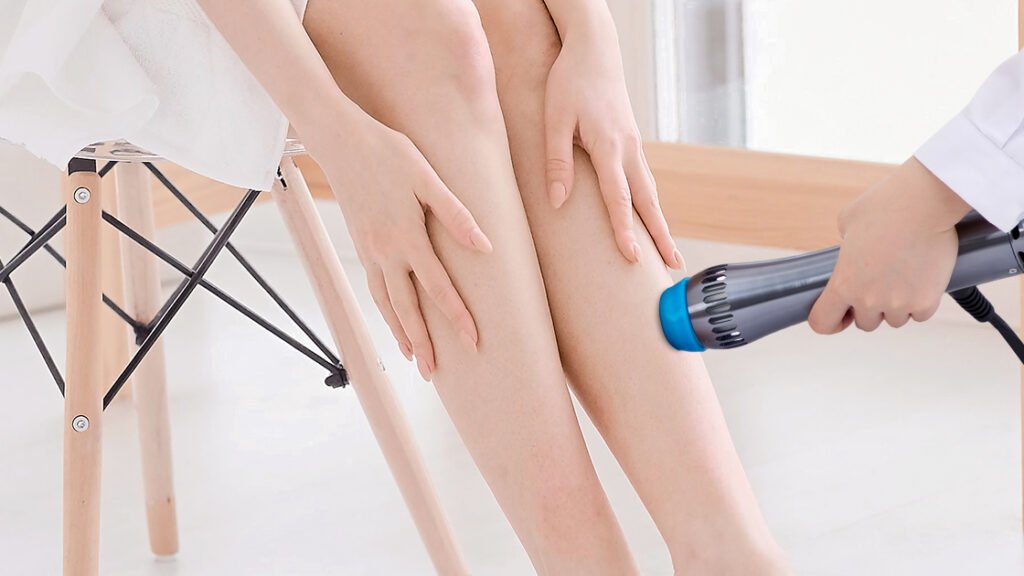
5. Integrating Shockwave Therapy into Track and Field Training
5.1 Timing Within Training Cycles
Optimal integration of Shockwave Therapy involves aligning treatments with the athlete’s training cycle. During off-season or early pre-season, ESWT can address chronic injuries and enhance tissue resilience. In-season sessions focus on managing flare-ups without interfering with performance. Strategic timing ensures that athletes receive maximal therapeutic benefit without compromising training load or competitive readiness.
5.2 Combining Therapy with Warm-Up and Cool-Down
Incorporating Shockwave Therapy around warm-up and cool-down routines can optimize muscle and tendon readiness. Applying ESWT before dynamic stretching prepares tissues for high-intensity activity, while post-training sessions can accelerate recovery, reduce inflammation, and prevent delayed-onset muscle soreness. This integration makes ESWT a practical adjunct to daily training protocols.
5.3 Enhancing Recovery Between Workouts
Shockwave Therapy reduces intersession recovery time by promoting circulation and accelerating tissue repair. Athletes can safely maintain high training frequency without accumulating fatigue or chronic microtrauma. Improved recovery allows for progressive overload in training, crucial for strength, speed, and endurance gains. ESWT thus functions as both a therapeutic and preventive measure in athletic programs.
5.4 Tracking Athlete Progress
Monitoring treatment outcomes is essential for adjusting ESWT protocols. Coaches and physiotherapists can track pain scores, tendon thickness, range of motion, and training performance metrics. This data-driven approach ensures that therapy remains individualized, effective, and aligned with athletic goals. Regular evaluation allows for timely modifications, maximizing therapeutic benefit and minimizing the risk of re-injury.
6. Ideal Candidates
6.1 Professional and Amateur Athletes
Shockwave Therapy benefits both elite track and field athletes and amateur competitors. Those engaged in frequent high-intensity activity are particularly suited, as ESWT accelerates healing, reduces downtime, and maintains performance consistency. Athletes with recurrent injuries or overuse syndromes see significant advantages in functional recovery and injury prevention.
6.2 Chronic vs Acute Injuries
While ESWT is effective for chronic tendinopathies and recurrent muscle strains, it can also complement traditional rehabilitation for acute injuries. Early application supports faster tissue repair and pain management. The therapy is most effective when integrated into a comprehensive rehabilitation plan, combining rest, physical therapy, and progressive training.
FAQ (Frequently Asked Questions)
Q1: Is Shockwave Therapy safe for all athletes?
Generally, yes. However, individuals with severe vascular issues, infections, or tumors in the treatment area should avoid ESWT.
Q2: How soon can athletes return to training after therapy?
Pain relief may be immediate, but full functional recovery typically requires several sessions over 2–6 weeks.
Q3: Can Shockwave Therapy replace physical therapy?
No. It is an adjunct therapy that enhances the effectiveness of conventional rehabilitation exercises.
Q4: Are there any side effects?
Side effects are minimal, usually limited to temporary redness, mild tingling, or localized discomfort.
Q5: How many sessions are typically needed?
Most athletes benefit from 3–6 sessions, scheduled 1–2 times per week, depending on injury severity.
Conclusion
Shockwave Therapy is a safe, non-invasive, and effective adjunct for managing muscle strains and tendinopathies in track and field athletes. By accelerating tissue repair, reducing pain, and improving functional performance, ESWT allows athletes to return to training faster and maintain high-level performance. Integrating this therapy into training cycles and rehabilitation protocols can enhance recovery, prevent recurrence, and support long-term athletic success.
Références
Shockwave Machines. Indications for Shockwave Therapy.
https://www.shockwavemachines.com/indications
Shockwave Therapy Org. Shockwave Therapy Applications.
https://www.shockwavetherapy.org/indications
PubMed. Johnson A., et al. Influence of Class IV Laser Therapy on Clinical Outcomes in Dogs.
https://www.ncbi.nlm.nih.gov/pubmed/29697148/
DVM360. Practice Profiles: Companion Class IV Laser Therapy in Small Animals.
https://www.dvm360.com/view/practice-profiles-companion-class-iv-laser-therapy-sponsored-litecure