

Introduction
Golf is often perceived as a low-impact sport, yet avid players and professionals increasingly suffer from chronic musculoskeletal pain that affects performance, enjoyment, and quality of life. Unlike acute injuries, many golf-related conditions — especially in the elbows, shoulders, and rotation-dependent regions — evolve slowly over time as micro-traumas accumulate. Traditional approaches such as rest, medications, or physical therapy provide symptomatic relief, but they often fall short in promoting long-term healing at the tissue level. In recent years, Thérapie par ondes de choc (also called extracorporeal shock wave therapy, ESWT) has gained traction as a non-invasive treatment option that targets the root causes of chronic pain. By stimulating biological processes associated with tissue regeneration and pain modulation, Shockwave Therapy is rapidly becoming a preferred option for golfers seeking sustainable relief without surgery. This article dives into why golfers are turning to Shockwave Therapy, how it works, and what results they can realistically expect.
1. Chronic Pain Patterns Common in Golfers
To understand the increasing popularity of Shockwave Therapy among golfers, it’s important first to explore the types of injuries that commonly occur in the sport. Golf involves repetitive rotation, forceful gripping, and sustained positions that place unique stress on soft tissues.
1.1 Elbow Pain from Repetitive Swing Mechanics
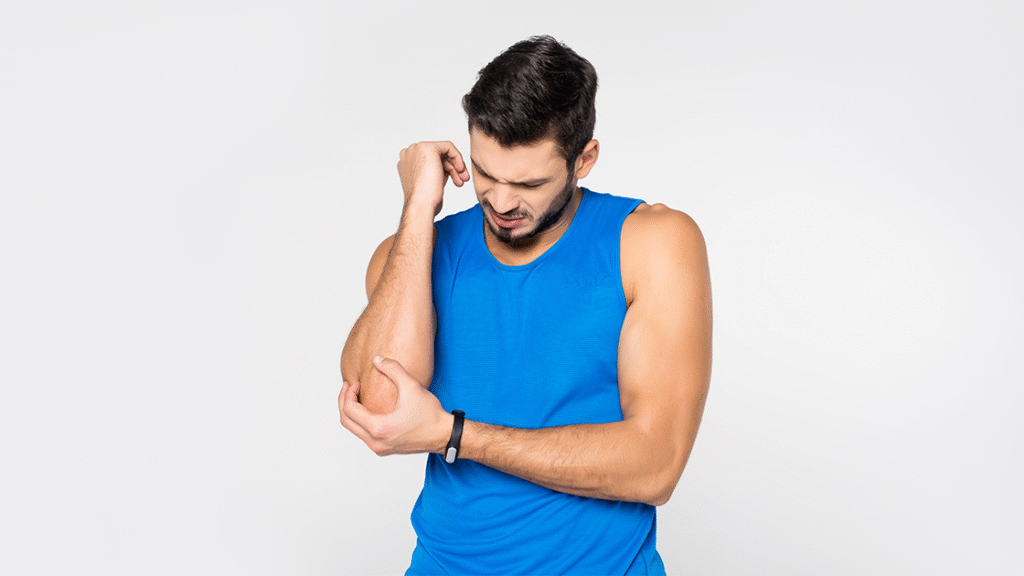
Golfers often develop chronic elbow pain due to the biomechanics of the golf swing. Repetitive flexion and extension as players grip and release the club can strain the common extensor tendon (lateral elbow) or the common flexor tendon (medial elbow). Over time, microtears form — a condition characterized as tendinopathy rather than acute inflammation. This explains why symptoms may persist despite rest: the tissue’s capacity for self-repair is outpaced by repetitive stress.
In addition, improper wrist motion during the downswing can load adjacent forearm muscles, aggravating symptoms. These patterns are similar to conditions known as “golfer’s elbow” (medial epicondylitis) and “tennis elbow” (lateral epicondylitis), both of which have been shown to respond to regenerative therapies like Shockwave Therapy when conservative measures fail.
1.2 Shoulder and Rotational Stress Injuries
The golf swing is a complex, whole-body rotation that places repetitive strain on the shoulder girdle. During the backswing and follow-through, the rotator cuff and shoulder capsule endure cyclical loading that can cause microtrauma, particularly in the supraspinatus and infraspinatus tendons. When the tissue repair processes cannot keep up with cumulative damage, chronic tendinopathy and bursitis may develop.
Compensatory mechanics in the thoracic spine and scapula can further exacerbate shoulder dysfunction. Persistent, unnoticed irritation of these soft tissues eventually leads to restricted range of motion, stiffness, and pain — symptoms that often appear during tee shots, approach swings, or even during daily activities. Addressing these underlying biomechanical contributors is critical to long-term improvement, which is why many clinicians are incorporating shockwave approaches in addition to exercise and mobility training.
2. Why Traditional Treatments Often Fall Short
Many golfers initially try conventional methods to relieve pain. While these can be effective for short-term symptom management, they often fail to facilitate long-lasting tissue healing or pain resolution.
2.1 Pain Medication and Temporary Relief
Pain relievers such as NSAIDs (non-steroidal anti-inflammatory drugs) are commonly used to alleviate discomfort. These medications reduce inflammation and pain by inhibiting biochemical pathways associated with prostaglandin synthesis. However, NSAIDs do not address the structural or cellular changes that characterize chronic tendinopathy and soft tissue degeneration. Long-term use also carries risks, including gastrointestinal irritation, cardiovascular concerns, and renal stress.
Furthermore, while corticosteroid injections may provide temporary relief, they do not promote tissue repair and may, over time, weaken collagen structures. For a golfer looking to hit another great round, masking pain without encouraging healing can lead to more serious injuries or delayed recovery, highlighting the need for regenerative therapeutic options.
2.2 Rest Alone Is Rarely Enough
Many players instinctively rest when symptoms flare, but rest alone is often insufficient — especially for chronic conditions. While a short period of decreased activity can reduce acute inflammation, it may not correct mechanical imbalances or stimulate effective tissue turnover. In fact, prolonged rest without active rehabilitation can lead to deconditioning, altered movement patterns, and increased susceptibility to re-injury when play resumes.
Active recovery, which includes mobility exercises and strength training, is essential. However, when combined with advanced modalities like Shockwave Therapy, the likelihood of sustainable pain relief and functional restoration increases. This combination can help the body rebuild resilient tissues capable of handling the unique demands of the golf swing.
3. How Shockwave Therapy Addresses the Root Cause
Shockwave Therapy stands apart from traditional treatments by actively stimulating biological processes critical for tissue repair and pain modulation. Understanding these mechanisms explains why many golfers are benefiting from this approach.
3.1 Stimulating Blood Flow and Tissue Regeneration
Shockwave Therapy uses focused acoustic waves delivered externally to the skin that propagate into deeper musculoskeletal structures. These mechanical pressure waves induce microtrauma at the cellular level, which triggers a localized healing response. Key biological effects include increased microcirculation and enhanced delivery of oxygen and nutrients essential for tissue repair, especially in regions with poor vascular supply such as tendons.
Research suggests that shockwave stimulation also upregulates expression of growth factors that orchestrate tissue regeneration, such as vascular endothelial growth factor (VEGF) and nitric oxide. These changes support fibroblast proliferation and collagen synthesis — both vital to restoring tendon resilience. For golfers, this means damaged tissues are not just soothed; they are biologically encouraged to repair and strengthen.
3.2 Reducing Chronic Inflammation and Scar Tissue
Chronic injuries often involve persistent low-grade inflammation and disorganized scar tissue that compromise biomechanical efficiency. Shockwave Therapy can modulate inflammatory mediators, helping to shift the tissue environment from chronic irritation toward regenerative healing. Additionally, the mechanical forces may help break down maladaptive scar tissue and adhesions that restrict normal tendon gliding and joint mobility.
By addressing the cellular drivers of persistent pain, shockwave approaches provide more than symptomatic relief. They influence the underlying tissue pathology, which explains why many patients experience both reduced pain and improved functional capacity following treatment protocols tailored to their activity levels.
4. What Golfers Can Expect During Treatment
Knowing what to expect during the course of Shockwave Therapy helps patients maintain confidence and adhere to their rehabilitation plans.
4.1 Treatment Sessions and Comfort Level
A typical Shockwave Therapy session for golf-related injuries lasts between 10 and 20 minutes, depending on the area treated. During the procedure, a handheld applicator delivers acoustic pulses to the skin surface, penetrating soft tissue structures beneath. Most patients describe the sensation as a series of rhythmic pressure pulses; while some areas may feel tender, the treatment is generally well-tolerated without anesthesia.
Clinicians adjust parameters such as energy intensity and pulse frequency based on individual tolerance and injury severity. No surgical incisions or injections are required, and patients can usually resume light activity immediately. This ease of delivery and minimal discomfort are among the reasons why many golfers prefer Shockwave Therapy over more invasive options.
4.2 Returning to Play Safely
Recovery protocols following shockwave sessions emphasize gradual reintegration into golf activities. Immediately after treatment, mild soreness or warmth in the treated area is common but typically resolves within a day. Players are encouraged to avoid high-intensity drives or vigorous practice on the day of therapy but can often resume light practice or putting exercises without pain.
As treatment progresses and tissues become more resilient, weekly or biweekly play can be adjusted based on symptom improvement and clinician guidance. This phased approach helps maintain cardiovascular fitness and skill retention while prioritizing tissue healing. Close communication with physical therapists or sports medicine providers ensures golf participation is resumed safely and strategically.
5. Long-Term Benefits Beyond Pain Relief
Shockwave Therapy’s impact extends well beyond situational comfort. When combined with corrective exercise and movement strategy, the long-term advantages become increasingly clear
5.1 Improved Joint Mobility and Swing Mechanics
One of the significant outcomes observed with successful shockwave treatment is improved soft tissue flexibility and joint mobility. Enhanced tendon compliance and reduced scar adhesions allow smoother movement patterns, translating directly into better swing mechanics. For golfers, even small improvements in shoulder rotation, wrist release, or forearm suppleness can significantly impact swing speed, accuracy, and power.
This functional improvement is more than anecdotal; clinicians routinely measure range-of-motion gains following integrated care protocols that include shockwave therapy. Better biomechanics also reduce compensatory patterns that contribute to secondary injuries.
5.2 Supporting Ongoing Athletic Performance
By addressing the drivers of chronic pain and tissue dysfunction, shockwave treatment supports a golfer’s ability to train consistently and perform without fear of setbacks. Unlike temporary fixes, this regenerative approach encourages resilience — allowing athletes to commit to longer practice sessions and competitive play with increased confidence.
Ongoing maintenance sessions or periodic check-ins with sports medicine professionals can further enhance performance sustainability. Combined with warm-up routines, strength training, and mobility work, shockwave therapy becomes part of a comprehensive performance strategy rather than a one-off rescue.
6. FAQs
Is shockwave therapy safe for golfers?
Yes. When performed by trained professionals, shockwave therapy is considered safe with minimal risk of adverse effects. Clinicians assess medical history and injury specifics to ensure appropriateness.
How many sessions are usually needed?
Most golfers benefit from a course of 6–12 sessions, typically spaced 3–7 days apart. The exact number depends on injury severity and response to therapy.
Can it replace surgery or injections?
While shockwave therapy can often reduce the need for invasive treatments, it does not replace surgery in cases of severe structural damage. In many cases, it delays or prevents surgical intervention.
Are there any side effects?
Side effects are usually mild and temporary, such as localized redness, warmth, or slight soreness at the treatment site.
Who is not a good candidate?
Individuals with untreated fractures, active infections, tumors in the treatment area, or certain blood clotting disorders may not be good candidates. Always consult a clinician.
Conclusion
For golfers struggling with chronic pain related to repetitive motion and soft tissue strains, Shockwave Therapy represents a promising, non-invasive alternative to traditional treatment methods. By stimulating tissue healing, improving blood flow, and reducing inflammation, it addresses the root causes of pain, helping patients return to play with improved function and comfort.
As more athletes adopt this approach and evidence continues to support its benefits, integrating shockwave therapy into a comprehensive care plan — alongside mobility training and ergonomic adjustments — can enhance performance and quality of life for golfers at every level. Early intervention, individualized treatment protocols, and professional oversight are key to achieving the most sustainable outcomes.
Références
Shockwave Therapy in Sports Medicine – British Journal of Sports Medicine
Extracorporeal Shockwave Therapy for Tendinopathy – American Journal of Sports Medicine
Biological Effects of Shockwave Therapy – Journal of Orthopaedic Research