
Introduction
When dogs begin to show signs of pain, stiffness, or limited mobility, pet owners often face tough choices between medications and surgery—each with its own risks. Fortunately, extracorporeal shockwave therapy (ESWT) offers a promising non-invasive alternative. This innovative treatment uses acoustic energy to stimulate natural healing, making it a drug-free option for managing various musculoskeletal conditions like arthritis and tendon injuries. Shockwave therapy is gaining momentum in veterinary medicine worldwide, thanks to its ability to target the root causes of pain. It works by promoting cellular regeneration, increasing blood flow, and reducing inflammation at the site of injury. As research continues to support its benefits and more vets embrace the technology, ESWT is quickly becoming a valuable tool in canine orthopedic care—offering improved mobility and better quality of life for our four-legged companions.
What Is Shockwave Therapy for Dogs?
Understanding the science behind shockwave therapy begins with recognizing that this treatment utilizes high-energy acoustic waves to create therapeutic effects within targeted tissues. These acoustic pulses, delivered through specialized equipment, generate mechanical forces that interact with cellular structures and biological processes in ways that promote healing and pain reduction.
Understanding Shockwave Therapy: A Vet’s Perspective
From a veterinary perspective, extracorporeal shockwave therapy (ESWT) marks a major advancement in non-drug pain relief and tissue healing. Backed by over 20 years of clinical research, it’s proven safe and effective, giving veterinarians confidence in its use. The therapy delivers focused acoustic energy to targeted areas, triggering biological responses that promote healing. Unlike traditional electrotherapy, shockwaves penetrate deep tissues without needing invasive contact, allowing precise treatment of tendons, ligaments, bones, and joints with minimal discomfort. Modern veterinary shockwave devices feature advanced targeting and energy controls, improving both safety and outcomes. Sessions are brief—typically just a few minutes—making them easy to incorporate into regular veterinary care routines.
How Shockwave Therapy Works on a Cellular Level
The therapeutic mechanisms of shockwave therapy operate through multiple interconnected pathways that collectively promote tissue repair and pain reduction. When acoustic waves encounter tissues, they create mechanical stress that triggers a variety of cellular responses, ultimately leading to improved tissue health and function.
Stimulating Blood Flow and Tissue Regeneration
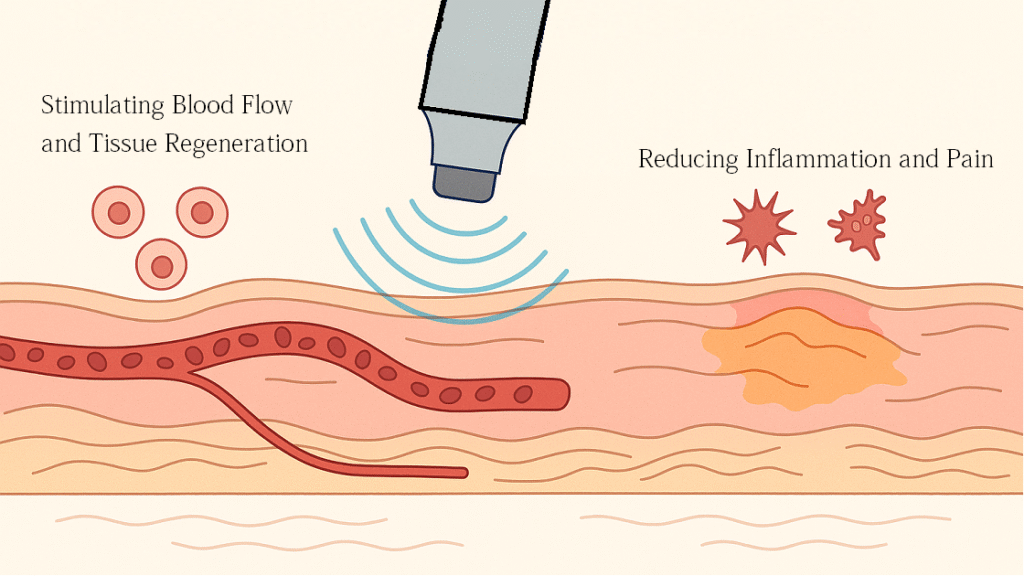
At the microscopic level, shockwave energy induces microtrauma within treated tissues, paradoxically initiating a healing response that results in improved tissue quality. This controlled microtrauma stimulates the release of growth factors and activates stem cells, promoting the formation of new blood vessels through a process called neovascularization. Enhanced vascularization increases oxygen and nutrient delivery to previously compromised tissues, creating an optimal environment for cellular repair and regeneration. The acoustic energy also influences cellular membrane permeability, facilitating the exchange of metabolic waste products and essential nutrients.
Reducing Inflammation and Pain
The analgesic effects of shockwave therapy result from multiple mechanisms operating at both neurological and biochemical levels. The acoustic energy disrupts pain signal transmission by affecting nerve endings and altering pain perception pathways. Additionally, the therapy influences the release of substance P, a neuropeptide involved in pain transmission, effectively reducing pain sensation at the treatment site. The anti-inflammatory effects occur through modulation of inflammatory mediators and promotion of tissue healing processes that resolve chronic inflammatory conditions. This dual action of pain reduction and inflammation control creates a synergistic effect that addresses both symptoms and underlying pathology.
Radial vs. Focused Shockwave Therapy: Which Is Better?
Choosing between radial and focused shockwave therapy depends on the condition, tissue depth, and the dog’s sensitivity. Radial shockwave, such as that delivered by the MP100 VET, is pneumatically generated and disperses over a broad area. It’s gentler, making it ideal for dogs with superficial injuries or sensitivity. It effectively promotes blood flow and reduces pain in surface-level tissues. Focused shockwave therapy penetrates deeper and targets tissues with greater precision, making it ideal for bone-related issues, calcifications, and chronic tendinopathies. It’s especially useful for delayed or non-union fractures. Energy delivery differs: radial waves peak at the skin surface and fade with depth, while focused waves deliver concentrated energy to specific depths with minimal surface impact. Understanding these differences ensures optimal treatment outcomes tailored to each dog’s condition.
Conditions Treated by Canine Shockwave Therapy
The versatility of shockwave therapy has made it a valuable treatment option for a wide range of musculoskeletal conditions affecting dogs. Primary indications include tendinopathies, malunion fractures, patellar desmitis, and osteoarthritis. The therapy’s ability to address both acute and chronic conditions has expanded its clinical applications significantly.
Degenerative Joint Disease
Degenerative joint condition in dogs, causing chronic pain, stiffness, and reduced mobility that seriously affect quality of life. Managing arthritis with conventional treatments like medications often provides only temporary relief. Shockwave therapy offers a promising alternative by stimulating chondrocyte activity, which helps repair cartilage and may slow joint degeneration. Additionally, it reduces inflammation in the joint lining (synovium) and improves circulation of joint fluid, creating a healthier environment for joint tissues. Clinical studies have reported significant improvements in pain levels and mobility in dogs after a course of shockwave treatments, making it a valuable non-invasive tool in managing degenerative joint disease.
Hip and Elbow Dysplasia
Hip and elbow dysplasia are genetic conditions causing abnormal joint development, often leading to arthritis later in life. These disorders are prevalent in large and giant breed dogs, causing pain and restricted movement. Traditional treatments often involve surgery or long-term medication. Shockwave therapy provides a non-invasive option to help manage secondary arthritis and improve joint health. By stimulating tissue repair and reducing inflammation, shockwave therapy supports joint mobility and lessens pain. It can be used alone or alongside other treatments, especially for dogs who are not surgical candidates or owners wanting to delay surgery. This therapy enhances quality of life by promoting healthier joint function over time.
Cruciate Ligament Injuries (ACL Tears)
Cranial cruciate ligament (CCL) injuries are one of the most common orthopedic problems in dogs, leading to joint instability, pain, and eventual arthritis. These injuries may occur suddenly or develop gradually due to ligament degeneration. While surgery is the primary treatment for complete tears, shockwave therapy is valuable for managing partial tears and aiding recovery after surgery. It promotes tissue healing by increasing blood flow and reducing inflammation in the joint, which can speed up rehabilitation. For dogs with partial ligament damage, shockwave therapy helps strengthen remaining tissues, potentially reducing the risk of a complete rupture and improving joint stability.
Tendonitis and Ligament Strain
Tendonitis and ligament strains are frequent in active dogs, especially those involved in sports or physical work. These soft tissue injuries are difficult to heal naturally due to limited blood supply. If untreated, they may become chronic and cause ongoing pain and dysfunction. Shockwave therapy helps by stimulating neovascularization—the growth of new blood vessels—and encouraging collagen synthesis, which rebuilds the damaged tissue. This therapy promotes remodeling of injured tendons and ligaments, enhancing strength and flexibility. Treatment usually involves multiple sessions over several weeks, allowing gradual improvement. Shockwave therapy is especially effective for chronic tendon and ligament issues that do not respond well to traditional therapies.
Non-Union Fractures and Bone Healing Support
Non-union fractures occur when broken bones fail to heal properly despite stabilization. Causes include infection, poor blood supply, or excessive movement at the fracture site. These fractures often require complex surgical repair. Shockwave therapy offers an adjunct treatment that stimulates bone healing by activating osteoblasts—the cells responsible for new bone formation. The acoustic waves trigger biological responses that encourage bone regeneration and remodeling. Studies show shockwave therapy can improve healing rates in delayed unions and non-unions, sometimes reducing the need for additional surgery. It can also be used preventively in high-risk fractures to support faster, more effective healing.
The Treatment Process
Understanding what to expect during shockwave therapy helps pet owners make informed decisions and prepare their dogs for treatment. The process is designed to be as comfortable and stress-free as possible while ensuring optimal therapeutic outcomes.
What a Typical Vet Visit Looks Like
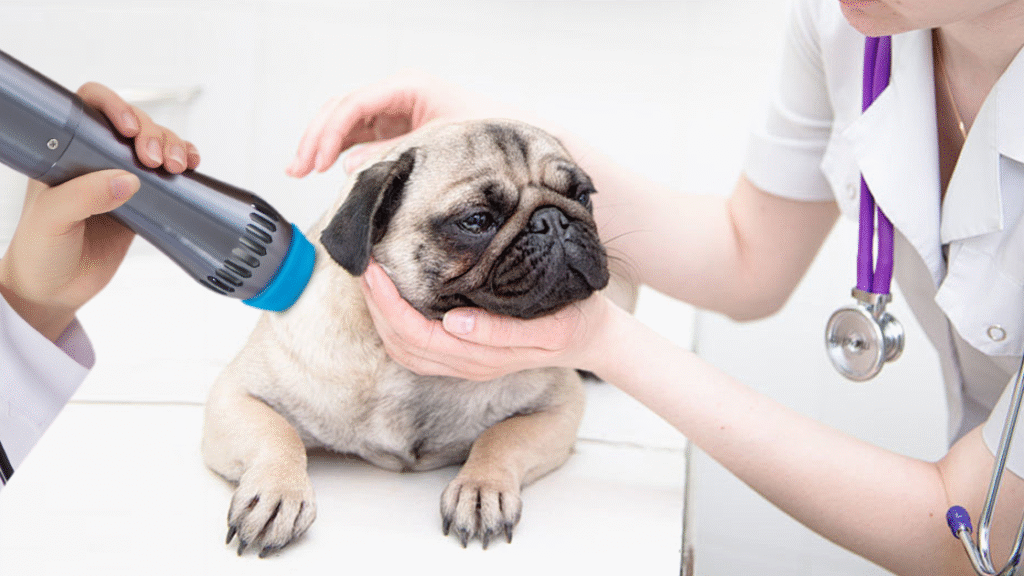
A shockwave therapy session starts with a thorough vet examination, including palpation, range of motion tests, and review of diagnostic images. The vet identifies treatment areas and sets parameters based on the dog’s needs. Fur over the treatment site is clipped for better contact, and a coupling gel is applied to ensure effective energy transmission. The dog is comfortably positioned with padding or gentle restraints to minimize movement. Treatment sessions are brief, lasting only a few minutes. Most dogs stay calm or relaxed during therapy. The vet monitors the dog throughout and adjusts settings as needed to ensure safety and comfort.
How Many Sessions Are Needed?
The number of sessions varies by condition severity and response. Acute injuries often need 1–2 treatments, while chronic issues like arthritis may require 3–5 sessions spaced 1–2 weeks apart. Some dogs improve after the first session, others need the full course. Follow-up visits assess progress and determine if more treatments are needed. Maintenance sessions might be advised for lasting benefits or to prevent symptom return. Overall, shockwave therapy offers effective results with a relatively short treatment schedule.
Does It Hurt? Comfort and Safety for Dogs
Shockwave therapy is generally well tolerated and usually does not require sedation. Dogs often feel gentle tapping or pulsing at the site, with many showing no discomfort or even relaxing. The energy delivery is controlled to avoid sudden sensations that cause fear or anxiety. Modern devices have safety features to prevent excessive energy. Veterinarians closely monitor the dog’s reaction and adjust or stop treatment if needed. Mild soreness after treatment is rare and similar to muscle soreness after exercise, typically resolving quickly.
Post-Treatment Care and Recovery Tips
Post-treatment care is minimal due to the non-invasive nature of shockwave therapy. Most dogs resume normal activities immediately, though vets may recommend brief rest or activity adjustments depending on the condition. Owners should watch for behavior or mobility changes, understanding improvements can be gradual over days or weeks. Mild soreness at the treatment site may occur but usually fades within 24–48 hours. Follow-up appointments track progress and decide on additional treatments. Maintaining vet recommendations helps maximize benefits and long-term success.
Benefits of Shockwave Therapy for Canine Mobility
The advantages of shockwave therapy extend beyond simple pain relief, offering comprehensive benefits that address multiple aspects of musculoskeletal health and function. These benefits make it an attractive option for both veterinarians and pet owners seeking effective, non-invasive treatment alternatives.
Drug-Free Pain Relief with Lasting Effects
Shockwave therapy offers effective pain relief without drugs, avoiding side effects and drug interactions common with medications. Its analgesic effects can last weeks to months, reducing or eliminating the need for ongoing medication. The therapy works by modulating nerve signals, lowering inflammatory chemicals, and promoting tissue healing to address the pain’s root cause. Unlike painkillers that only mask symptoms, shockwave therapy encourages lasting relief. This makes it a valuable option for dogs needing long-term pain management, helping decrease reliance on pharmaceuticals and their risks while improving overall comfort.
Faster Healing and Better Joint Function
Shockwave therapy speeds healing by stimulating cell regeneration and tissue repair. It promotes new blood vessel growth, boosts nutrient delivery, and encourages healing factor production. This leads to faster recovery from injuries and better results for chronic conditions. Improved joint function follows reduced inflammation, better tissue quality, and enhanced circulation. Dogs treated often show increased mobility, less stiffness, and a wider range of motion. This therapy offers hope especially when traditional treatments provide limited improvement, supporting dogs with difficult or persistent joint issues.
Improved Quality of Life and Playfulness
Shockwave therapy aims to improve dogs’ quality of life by reducing pain and enhancing mobility. Treated dogs often regain interest in activities they once avoided, from climbing stairs to running and playing fetch. Physical relief also boosts mood and social engagement, helping dogs feel more like themselves. Owners frequently notice renewed enthusiasm and improved behavior after treatment. These psychological and physical benefits combine to greatly enhance overall well-being, making shockwave therapy a powerful tool for restoring joy and activity in dogs’ lives.
May Reduce or Delay the Need for Surgery
Shockwave therapy can serve as a non-surgical alternative or delay surgery for many musculoskeletal conditions. This is especially helpful for older dogs or those with health risks that make surgery less ideal. For dogs that do require surgery, pre-treatment can improve tissue health, while post-operative therapy speeds healing and reduces recovery time. This adjunctive use supports better surgical outcomes and overall care. Offering a chance to avoid or postpone surgery provides peace of mind to owners and helps dogs maintain mobility and comfort through less invasive methods.
Real-World Results: Success Stories
Clinical experience with shockwave therapy has generated numerous success stories that demonstrate the real-world effectiveness of this treatment modality. These cases provide valuable insights into the practical applications and outcomes that can be achieved with appropriate patient selection and treatment protocols.
Max’s Comeback: A Senior Lab Gets His Stride Back
Max, a 10-year-old Labrador, suffered from severe hip osteoarthritis. Despite medication and supplements, he remained stiff and reluctant to move. Surgery wasn’t an option due to age and health concerns. A veterinary specialist recommended shockwave therapy. Max underwent four five-minute sessions spaced two weeks apart, targeting both hips. He tolerated the treatment well. Within three weeks, Max showed remarkable improvement—climbing stairs, walking farther, and playing again. His range of motion improved, and joint manipulation became less painful. Even six months later, Max retained better mobility, needing only minor adjustments during cold weather. Shockwave therapy gave him a renewed quality of life without surgery or increased medication.
Daisy the Agility Dog Returns to Competition
Daisy, a 5-year-old Border Collie, faced career-ending bicipital tendinopathy. Despite rest, rehab, and meds, she remained lame and hesitant to jump. Her vet suggested focused shockwave therapy. Daisy underwent three sessions spaced 10 days apart, targeting the inflamed tendon. She tolerated the treatment well and continued light training. After the second session, her lameness decreased, and she jumped with more confidence. After completing therapy, Daisy returned to full agility training and successfully competed again. One year later, she remained pain-free and active, with no tendon relapse. Shockwave therapy restored her athletic career and eliminated the need for more invasive interventions.
Before-and-After Mobility Assessments: What the Data Shows
Mobility improvements after shockwave therapy are measurable through force platform analysis. Before treatment, dogs with orthopedic issues often bear weight unevenly. Four weeks after shockwave sessions, studies show that weight-bearing symmetry significantly improves, indicating better limb function. Ground reaction force data reveal increases in peak vertical force and impulse values, key indicators of comfort and gait efficiency. These objective metrics mirror owner observations—better movement, more activity, and less limping. Gait symmetry and reduced pain responses validate shockwave therapy as an effective treatment. When combined with clinical exams and owner feedback, these assessments offer a complete picture of recovery success.

Is Shockwave Therapy Right for Your Dog?
Determining whether shockwave therapy is appropriate for a particular dog requires careful consideration of multiple factors, including the specific condition, the dog’s overall health status, and the availability of qualified veterinary professionals trained in the technique.
Candidates: Which Dogs Benefit Most
Dogs with musculoskeletal conditions confirmed by veterinary diagnosis
Chronic cases unresponsive to medications or physical therapy
Dogs unsuitable for surgery due to age, health, or owner preference
Active dogs with acute soft tissue injuries (e.g., strains, sprains)
Dogs with multiple musculoskeletal issues needing systemic support
Most dogs tolerate treatment well; sedation may be required for anxious/aggressive dogs
Very small dogs may need specialized applicators for effective treatment
Contraindications and Safety Considerations
Active infections at or near the treatment site
Tumors or suspected malignancies in the targeted area
Pregnant dogs (especially abdominal treatment)
Dogs with cardiac pacemakers or other electronic implants
Bleeding disorders or coagulopathies
Recent corticosteroid injections may delay therapy initiation
Always consult a veterinarian to assess timing and safety
Working with a Certified Veterinary Rehab Specialist
Choosing a certified veterinary rehab specialist increases treatment success. These professionals receive advanced training in rehabilitation techniques, including shockwave therapy. They excel in diagnosing, creating tailored protocols, and integrating therapies like physiotherapy or hydrotherapy. Certified specialists ensure your dog receives the most effective and safe care based on their specific condition. They also monitor progress, adjust treatment as needed, and provide a full recovery plan beyond shockwave sessions. When selecting a provider, ask about their experience, protocols, and outcomes. A skilled rehab specialist offers not only treatment but also long-term support for your dog’s health and mobility.
FAQs
Shockwave therapy is used to treat a wide range of musculoskeletal issues, including arthritis, tendon injuries, ligament sprains, hip and elbow dysplasia, and non-healing fractures. It’s also helpful for chronic pain and inflammation.
Yes, when performed by a trained veterinary professional, shockwave therapy is safe. Most dogs tolerate it well without sedation. It’s non-invasive and carries minimal risk of side effects.
Some dogs show improvement after just one session, while others may need several treatments. Full benefits typically appear within a few weeks as healing progresses.
Yes, the fur in the treatment area is usually clipped to ensure direct contact between the applicator and the skin, allowing for effective energy delivery.
Most dogs need between 1 and 5 sessions, depending on the condition being treated. Chronic issues may benefit from follow-up or maintenance sessions.
In many cases, yes. Shockwave therapy can reduce or eliminate the need for pain medications and may delay or avoid the need for surgery altogether—especially for older or high-risk dogs.
Conclusion
Shockwave therapy offers a safe, non-invasive solution for dogs with musculoskeletal issues like tendon injuries. By using acoustic energy, it stimulates healing, reduces pain, and restores mobility—without surgery or long-term medication. Scientific studies and clinical results continue to support its effectiveness, especially for cases where conventional treatments fall short. Whether it’s an aging pet regaining mobility or a canine athlete returning to form, shockwave therapy has proven its value across various conditions. Success depends on proper diagnosis and treatment by trained veterinary professionals, ensuring care is tailored to each dog’s needs. With growing research and technology, the future of shockwave therapy looks promising. For pet owners seeking effective alternatives, it offers real hope—helping dogs return to the joyful, active lives they deserve.