

1. Introduction
Equine athletes and working horses frequently experience musculoskeletal injuries due to high-intensity training, repetitive strain, and performance-related stress. As veterinary medicine advances, non-invasive therapies such as 体外衝撃波治療 (ESWT) have become increasingly popular to manage pain, accelerate healing, and improve long-term mobility. Shock wave therapy uses high-energy acoustic pulses to stimulate tissue regeneration at a cellular level. This comprehensive guide explores how ESWT works, its safety profile, potential side effects, proper use, and evidence-based benefits for equine rehabilitation.
2. What Is Shock Wave Therapy for Horses?
Before evaluating safety and side effects, it is essential to understand what shock wave therapy is and how it functions.
2.1 Definition and Basic Principles
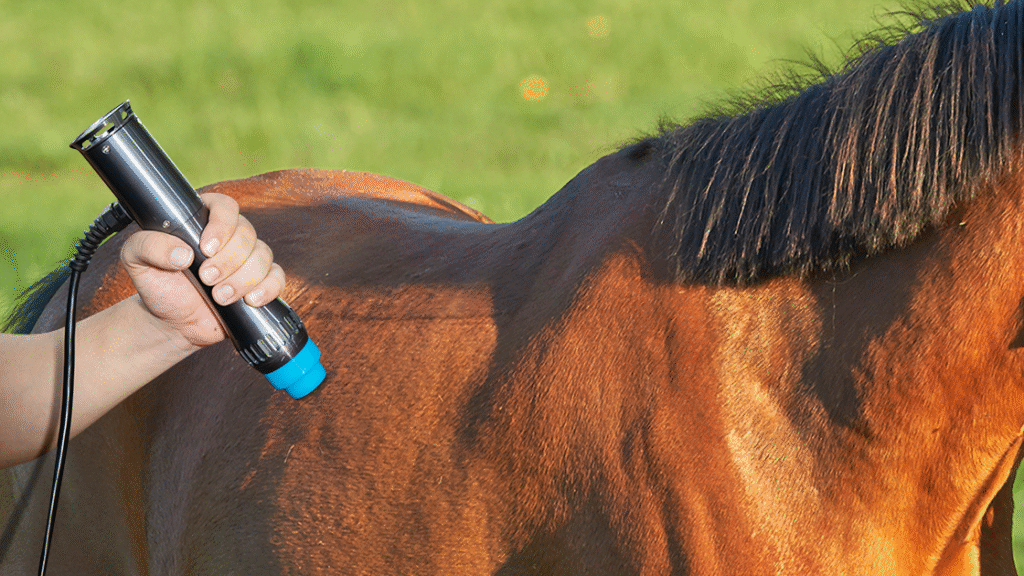
Extracorporeal shock wave therapy (ESWT) is a non-invasive veterinary treatment that utilizes high-energy sound waves to stimulate biological healing. These sound waves penetrate deep tissues, creating mechanical stress that activates cellular repair mechanisms. Originally used in human medicine for kidney stones and orthopedic injuries, ESWT is now widely applied in equine sports medicine to treat tendon and ligament injuries, bone inflammation, and chronic pain conditions.
2.2 Types of Shock Wave Devices
There are two primary types of ESWT devices used in veterinary care: focused shock wave systems, which deliver energy to a precise depth, and radial shock wave systems, which disperse energy over a broader area at lower intensity. Focused systems are preferred for deeper tissue injuries such as proximal suspensory desmitis, while radial systems are more suited for superficial muscular or fascial discomfort. Understanding device differences helps veterinarians choose the optimal treatment for each clinical case.
3. How Shock Wave Therapy Works in the Equine Body
To fully appreciate the treatment’s value, it is important to understand its biological mechanisms.
3.1 Mechanical Stimulation and Cellular Response
Shock waves create controlled mechanical stress within the targeted tissue. This triggers microtrauma at a cellular level, which in turn activates the body’s natural healing response. Cells such as fibroblasts and osteoblasts increase their activity, boosting the repair of tendons, ligaments, and bone structures. The mechanical stimulus also helps break down fibrotic tissues and adhesions that hinder mobility.
3.2 Improved Blood Flow and Angiogenesis
One of the most valuable effects of shock wave therapy is its ability to promote angiogenesis—the formation of new blood vessels. Enhanced circulation improves oxygen delivery and nutrient transport to damaged areas, accelerating recovery. In horses with chronic tendon or ligament injuries, increased blood flow supports collagen remodeling and reduces long-term stiffness.
3.3 Pain Modulation Through Neuromodulation
Shock wave therapy also provides significant analgesic effects by desensitizing nerve endings and altering pain-signal pathways. Research shows that ESWT suppresses substance P—an inflammatory neuropeptide linked to chronic pain. This neuromodulation effect is particularly beneficial for equine athletes recovering from bone bruises, suspensory issues, or back soreness.
4. Common Conditions Treated With Shock Wave Therapy
ESWT has become widely recognized because many equine conditions respond exceptionally well to this therapy.
4.1 Tendon and Ligament Injuries
Shock wave therapy is frequently used to treat injuries such as superficial digital flexor tendonitis, deep digital flexor issues, and suspensory ligament desmitis. ESWT enhances collagen production and improves the structural alignment of regenerating fibers. Horses treated with ESWT often show faster return-to-work timelines compared to conventional rest-based treatment alone.
4.2 Joint Pain and Osteoarthritis
In cases of osteoarthritis, ESWT reduces inflammation around joints, improves cartilage metabolism, and provides long-lasting pain relief. Studies show measurable improvement in stride length and range of motion in performance horses after consistent shock wave therapy sessions.
4.3 Hoof and Bone Disorders
Navicular disease, pedal osteitis, and stress fractures are additional conditions where shock wave therapy shows strong clinical benefits. The treatment helps relieve chronic pain and supports bone remodeling, contributing to more stable hoof biomechanics and improved gait.
5. Safety of Shock Wave Therapy for Horses
Evaluating safety is essential for horse owners considering ESWT as a treatment option.
5.1 Evidence-Based Safety Profile
ESWT is widely considered safe when administered by a licensed veterinarian. Research conducted by veterinary rehabilitation specialists shows minimal long-term complications. Most horses tolerate the procedure well, and sedation is commonly used to ensure comfort and prevent accidental movement during treatment.
5.2 When Shock Wave Therapy Should Not Be Used
Shock wave therapy is not appropriate for horses with active infections, open wounds, or certain types of bone tumors. It should be avoided in pregnant mares because the effect of acoustic waves on fetal tissue is not fully studied. Horses with severe cardiac or neurological conditions may also require alternative treatment plans.
5.3 How Veterinarians Minimize Risks
Veterinarians use ultrasound imaging and physical exams to identify precise treatment areas. They also calibrate device energy levels according to tissue depth and injury severity. Proper dosing guidelines and appropriate sedation help maximize safety and improve overall treatment outcomes.
6. Possible Side Effects of Shock Wave Therapy
Although ESWT is generally safe, horse owners should be aware of potential side effects.
6.1 Short-Term Tenderness or Swelling
Some horses may experience temporary soreness at the treatment site, typically lasting 24–72 hours. This is a normal biological response to microtrauma caused by shock waves and often indicates that tissue regeneration is underway. Gentle exercise and cold therapy can help reduce discomfort.
6.2 Skin Irritation or Sensitivity
Mild redness, warmth, or skin irritation can occur, especially when treating areas with thin skin or bony prominence. Veterinarians often apply ultrasound gel or protective padding to minimize friction and reduce the risk of irritation.
6.3 Performance Masking and Ethical Considerations
Because ESWT provides strong analgesic effects, there is a risk of masking pain before a competition. For ethical and safety reasons, most equestrian sporting authorities enforce mandatory rest periods after ESWT—often 3–5 days—before the horse can compete.
7. Proper Use Guidelines for Optimal Results
Maximizing treatment effectiveness requires proper planning, dosing, and rehabilitation.
7.1 Veterinary Diagnosis and Treatment Planning
A thorough veterinary diagnosis is essential before beginning ESWT. Veterinarians use ultrasound, radiography, gait analysis, and palpation to determine the injury extent. Based on the findings, they create a customized treatment plan specifying energy level, number of pulses, and session frequency.
7.2 Treatment Frequency and Duration
Most horses receive ESWT sessions every 1–3 weeks, depending on the condition being treated. A typical treatment involves 1500–3000 pulses per area and lasts approximately 10–15 minutes. Chronic injuries may require more sessions than acute conditions.
7.3 Combining ESWT With Rehabilitation Strategies
For optimal results, ESWT is often combined with controlled exercise, physiotherapy, cold therapy, and corrective shoeing. Coordinating ESWT with an evidence-based rehabilitation schedule maximizes collagen alignment and reduces re-injury rates. https://www.shockwavemachines.com/indications/shockwave-therapy-for-veterinary-use/shockwave-therapy-for-horses
8. Expected Outcomes and Recovery Timeline
Understanding expected progress helps owners plan appropriate care.
8.1 Short-Term Improvements
Within 1–2 sessions, many horses experience reduced pain and improved gait quality. Shock wave therapy often enhances comfort levels, enabling smoother daily movement.
8.2 Long-Term Healing and Tissue Remodeling
Over 8–12 weeks, horses typically show significant improvement in tendon density, ligament strength, and bone remodeling. Long-term healing is supported by progressive exercise plans and follow-up imaging.
8.3 Factors Influencing Recovery
Age, injury type, training load, hoof balance, and pre-existing conditions all influence recovery speed. Horses receiving consistent rehabilitation under veterinary supervision generally achieve better outcomes.
9. Conclusion
Shock wave therapy has become one of the most valuable non-invasive tools in modern equine medicine. Its ability to stimulate biological healing, improve blood flow, reduce pain, and accelerate tissue repair makes it ideal for treating tendon injuries, ligament issues, joint disorders, and chronic musculoskeletal conditions. When used properly under veterinary supervision, ESWT is safe and effective, with minimal side effects and high success rates. For horse owners seeking evidence-based rehabilitation options, shock wave therapy remains a powerful solution to restore equine mobility, comfort, and performance.
10. References
American Association of Equine Practitioners (AAEP). Extracorporeal Shock Wave Therapy Overview.
McClure S, Weinberger T. Extracorporeal Shock Wave Therapy in Horses. Equine Veterinary Education.
(https://beva.onlinelibrary.wiley.com)
Dyson S. Diagnosis and Management of Equine Tendon Injuries.