

はじめに
Skiing is a high-impact sport that places intense stress on joints, muscles, and connective tissue. While exhilarating, it also carries a significant risk of injury, especially to the knees, shoulders, and soft tissues of the back and legs. Many of these injuries — particularly those stemming from sudden twists, falls, and repetitive microtrauma during descent — do not require surgical intervention. Instead, they respond well to conservative management strategies that alleviate pain and promote faster tissue healing. One increasingly researched and clinically used method is 衝撃波治療, a non-invasive modality capable of accelerating recovery from ski-related soft tissue injuries. In this article, we will explore its scientific rationale, applications, and why it has become a valuable resource in skiing injury rehabilitation.
1. Common Ski Injuries That Do Not Always Require Surgery
Understanding the specific injury types associated with skiing helps clarify how shockwave therapy fits into recovery.
1.1 Knee Injuries from Twisting and Sudden Stops
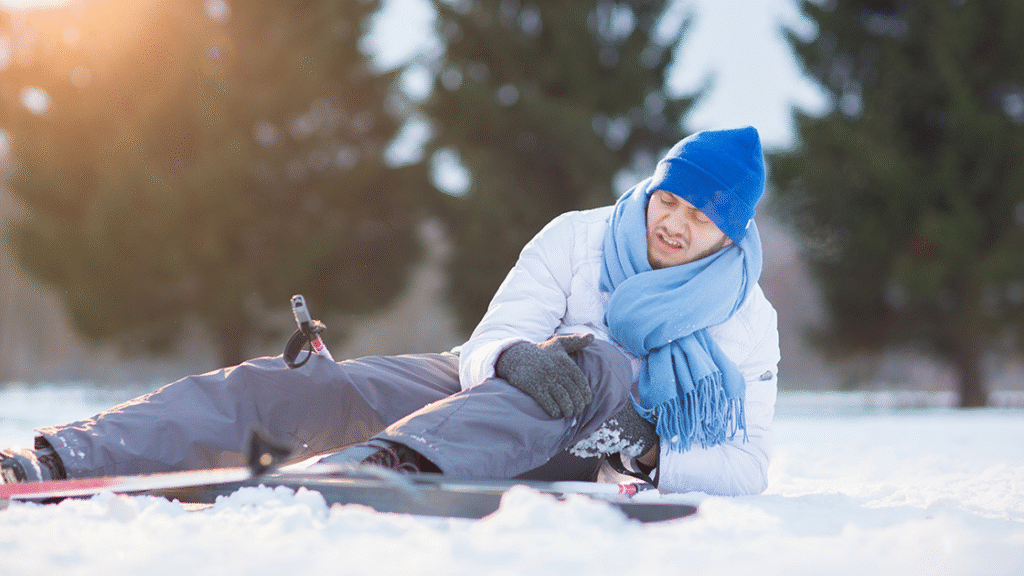
Knee injuries are among the most common in skiing, especially due to abrupt decelerations or rotational forces coupled with high velocity. These mechanisms can strain structures like the medial collateral ligament (MCL), the patellar tendon, and surrounding soft tissues without fully tearing critical ligaments like the ACL. Patients typically present with pain, swelling, and difficulty with weight-bearing or twisting movements. Shockwave therapy targets these damaged soft tissues, enhancing microvascular circulation and stimulating cellular repair pathways, which can reduce pain and improve structural integrity without necessitating surgery.
1.2 Shoulder and Upper Limb Injuries After Falls
When a skier hits the snow with an outstretched arm, high compressive and shearing forces transmit through the shoulder joint. This can lead to contusions, shoulder impingement, or partial damage to the rotator cuff muscles and tendons. These conditions often result in pain with overhead movement, weakened strength, and referred discomfort down the arm. While severe tears may need orthopaedic consultation, many shoulder soft tissue injuries respond well to early conservative intervention. Shockwave therapy’s ability to modulate inflammation and encourage collagen synthesis plays a key role in restoring tissue health and functional range of motion.
1.3 Overuse and Microtrauma Injuries During Ski Season
Repetitive pressure on specific muscle groups — such as in the calves, quadriceps, or lumbar erector spinae — can cause overuse injuries over the course of a ski season. These microtrauma injuries may lead to chronic pain, muscle fatigue, and persistent discomfort that resists rest alone. Here, the goal is tissue regeneration rather than immediate structural repair. The mechanotransduction effects of shockwave therapy — where mechanical energy affects cellular behavior — can stimulate growth factors, enhance fibroblast activity, and reduce chronic inflammation. Over time, this fosters a stronger, more resilient connective tissue matrix.
2. Why Non-Surgical Recovery Is Increasingly Preferred in Skiers
Before discussing how shockwave therapy works, it is important to understand why many athletes and clinicians are choosing non-surgical options.
2.1 Limitations of Surgery in Ski-Related Injuries
Surgical intervention — even minimally invasive arthroscopy — carries inherent risks and a significant recovery timeline. For example, knee ligament reconstruction often involves months of restricted activity, bracing, and intensive physical therapy. Many skiers find that this protracted downtime conflicts with training schedules, job demands, or personal priorities. Additionally, not all soft tissue injuries are amenable to surgical correction. Partial ligament sprains, chronic tendonopathies, and muscular strains frequently lack a clear surgical target, making conservative approaches more suitable.
2.2 Risks of Long-Term Medication and Injections
Nonsteroidal anti-inflammatory drugs (NSAIDs), corticosteroid injections, and other pharmacologic options are widely used to manage pain and inflammation. However, long-term reliance on these medications can lead to gastrointestinal issues, renal strain, and potential systemic side effects. Corticosteroids, while effective in the short term, may weaken collagen matrix integrity with repeated use. Given these concerns, non-pharmacologic modalities like shockwave therapy present an attractive alternative, offering pain relief without the systemic burden of medications.
2.3 Performance and Mobility Concerns in Skiers
For athletes and recreational skiers alike, functional mobility and performance metrics — such as balance, strength, and endurance — are critical. Surgical recovery often leads to muscle atrophy, altered motor patterns, and compensatory mechanics that can predispose to subsequent injuries. In contrast, modalities that preserve neuromuscular pathways while promoting tissue-level healing are less disruptive to overall conditioning. Shockwave therapy supports muscle and tendon recovery while facilitating earlier engagement in rehabilitation exercises that enhance proprioceptive control and dynamic stability.
3. How Shockwave Therapy Supports Ski Injury Recovery
Now that we understand the clinical landscape, let’s look at how shockwave therapy actually works.
3.1 Mechanical Stimulation and Tissue Regeneration
Shockwave therapy delivers high-energy acoustic waves to targeted tissues, creating micro-mechanical stimulation. This microtrauma is not harmful; rather, it prompts a cascade of biologic processes including increased angiogenesis (formation of new blood vessels), elevated release of growth factors, and enhanced mobilization of progenitor cells. These effects collectively accelerate soft tissue healing, especially in tendons and ligaments where chronic degeneration often impedes recovery. Research shows improved repair outcomes for conditions like tendinopathy and chronic ligament strain after shockwave treatment, making it a compelling choice for ski injury rehab.
3.2 Improved Blood Flow and Metabolic Activation
One of the primary mechanisms through which shockwave therapy aids recovery is by enhancing local blood circulation. Improved vascularization delivers essential oxygen and nutrients to metabolically stressed tissues and facilitates the removal of pro-inflammatory byproducts. Enhanced circulation also supports the upregulation of cellular metabolism, thereby increasing ATP (adenosine triphosphate) production within affected cells. This energy boost assists in cellular repair processes and reduces inflammation — a common contributor to persistent ski-related pain.
3.3 Pain Modulation Without Nerve Suppression
Shockwave therapy also affects peripheral nerve endings, modulating pain signaling pathways without outright blocking neural function. Through photobiomodulation and mechanical effects on afferent fibers, shockwave therapy can reduce the sensitivity of pain receptors and alter pain perception. Unlike anesthetic blocks or heavy pharmaceuticals that suppress nerve activity, this method preserves normal sensory function while reducing discomfort. For athletes, this means they can resume rehabilitation exercises with less pain interference and maintain proper neuromuscular control.
4. Shockwave Therapy Applications in Specific Ski Injuries
Each type of ski injury has unique needs for rehabilitation — and shockwave therapy can be tailored accordingly.
4.1 Knee Tendon and Ligament Recovery
Knee tendons and supporting ligaments play essential roles in shock absorption and directional control while skiing. Injuries to structures like the patellar tendon or collateral ligaments often result in localized pain, swelling, and compromised stability. Shockwave therapy encourages collagen remodeling and strengthens the extracellular matrix, supporting the tendon’s structural integrity. Repeated treatments can also reduce neovascularization that is often associated with chronic tendon pain, thereby restoring tendon resilience and improving functional mobility.
4.2 Shoulder and Rotator Cuff Support
When a fall transmits force through the upper limb, the shoulder — particularly the rotator cuff complex — absorbs much of the impact. Partial rotator cuff tears, subacromial bursitis, and muscle strains are common. Shockwave therapy’s mechanical and bio-chemical stimuli promote fibroblast activity and renewed collagen deposition, which are essential for rotator cuff healing. Additionally, the anti-inflammatory effects support reduced swelling and improved range of motion, which are vital for restoring shoulder mechanics required for pole use, balance, and overhead movements.
4.3 Muscle and Fascia Injuries in the Lower Back and Legs
The repetitive loading of the lumbar spine and lower extremities during skiing can contribute to muscle strain and fascia irritation. Chronic lower back pain is often exacerbated by prolonged eccentric loading during turns and downhill deceleration. Similarly, quads and calf muscles experience high mechanical stress. Shockwave therapy’s stimulation of fascia remodeling and muscle tissue repair improves elasticity and reduces adhesions that limit mobility. Enhanced recovery facilitates more effective engagement in functional rehabilitation and progressive strengthening programs.
5. Treatment Planning for Skiers Using Shockwave Therapy
Proper treatment planning ensures that shockwave therapy fits into a broader recovery strategy.
5.1 Timing During the Ski Season
Skiers often wonder when treatment should begin. In most cases, shockwave therapy can safely start once acute inflammation subsides, typically within 48–72 hours after injury. Early intervention may reduce prolonged inflammatory phases that slow healing. Additionally, scheduling treatments during rest days or between ski sessions can minimize disruptions to training or recreational activities. A clinician’s assessment guides frequency and timing to match each athlete’s schedule and recovery needs.
5.2 Treatment Frequency and Recovery Expectations
A typical shockwave therapy protocol for ski injuries involves multiple sessions — often two to five per week — depending on severity and tissue response. Each session can last between 10 and 20 minutes. Clinicians monitor progress and adjust energy settings and application points based on observable improvements. While some patients report immediate reductions in pain, optimal structural healing usually unfolds over several weeks. Recovery expectations should emphasize gradual improvement, enhanced function, and reduced flare-ups rather than instant cure.
5.3 Integration with Physical Therapy and Training
Shockwave therapy is most effective when combined with active physical rehabilitation. While shockwave reduces pain and accelerates tissue repair, physical therapy addresses mobility deficits, muscle weakness, and biomechanical imbalances. Custom exercise programs that emphasize balance, strength, and neuromuscular control are essential for long-term recovery. Coordinating shockwave therapy with targeted exercises enhances functional outcomes and reduces the risk of subsequent injury.
FAQ
Can shockwave therapy replace surgery for ski injuries?
Shockwave therapy is effective for many soft tissue injuries and can avoid surgery in many cases. However, severe structural damage such as full ligament tears may still require surgical evaluation.
How soon after a ski injury can shockwave therapy begin?
Most clinicians recommend starting once acute inflammation is controlled, usually within 48–72 hours, but individualized assessment is necessary.
Is shockwave therapy painful during treatment?
Most patients tolerate the procedure well. Some describe mild pressure or warmth, but discomfort is generally minimal.
How many sessions are typically needed for recovery?
Recovery protocols vary, but many skiers benefit from 6–12 sessions, adjusted by clinician based on response.
Can laser therapy replace physical therapy?
No. Laser therapy accelerates healing and reduces pain, but physical therapy addresses functional mobility and strength required for full recovery.
結論
Soft tissue injuries from skiing — including knee strains, shoulder damage, and muscle overuse — are common but do not always require surgery. Shockwave therapy offers a scientifically supported, non-invasive method to accelerate tissue repair, reduce inflammation, and provide lasting pain relief. When integrated with targeted physical rehabilitation, it enables skiers to recover more effectively and return to activity with improved function and confidence. As more clinicians adopt shockwave therapy as part of evidence-based practice, it continues to show promise for enhancing outcomes in ski injury recovery.
参考文献
Chow, R. T., Johnson, M. I., Lopes-Martins, R. A., & Bjordal, J. M. (2009). Efficacy of low-level laser therapy in the management of neck pain: a systematic review and meta-analysis. The Lancet, 374(9705), 1897–1908.
https://pubmed.ncbi.nlm.nih.gov/19888920/
Leal-Junior, E. C. P., Vanin, A. A., Miranda, E. F., et al. (2015). Effect of phototherapy on pain and inflammation in musculoskeletal disorders. Lasers in Medical Science, 30(2), 925–936.
https://pubmed.ncbi.nlm.nih.gov/25156786/
Chow, R. T., & Armati, P. J. (2016). Photobiomodulation: implications for soft tissue injuries and pain management. Journal of Pain Research, 9, 243–254.