

Introdução
Calcaneal spurs, commonly known as heel spurs, are bony protrusions that develop on the underside of the heel bone. They are particularly prevalent in older adults, often causing chronic heel pain and limiting daily activities such as walking or standing. Traditional treatments, including rest, anti-inflammatory medications, orthotic devices, and even surgery, can provide relief but often have limitations such as prolonged recovery periods, side effects, or the risk of complications. Shockwave therapy, also known as extracorporeal shockwave therapy (ESWT), has emerged as a modern, non-invasive alternative for managing calcaneal spurs. By delivering high-energy acoustic waves to affected tissues, shockwave therapy stimulates cellular repair, collagen formation, and local blood circulation, providing pain relief and enhancing tissue regeneration. This article explores the mechanisms, benefits, and clinical applications of shockwave therapy in treating heel spurs among older adults.
1. Understanding Calcaneal Spurs
Before exploring therapeutic options, it is crucial to understand what calcaneal spurs are and how they develop. This knowledge helps in designing effective rehabilitation strategies that target the underlying pathology, not just the symptoms.
1.1 What Are Calcaneal Spurs
Calcaneal spurs are bony outgrowths that form on the inferior surface of the calcaneus, often in association with chronic inflammation of the plantar fascia, a thick ligament connecting the heel bone to the toes. These spurs may vary in size but can irritate surrounding soft tissues, leading to localized pain, tenderness, and discomfort during weight-bearing activities. Although some spurs are asymptomatic, in many older adults, they contribute to chronic plantar fasciitis, causing persistent heel pain that interferes with mobility and daily life. Understanding the anatomical relationship between the calcaneus and plantar fascia is essential for targeted therapy.
1.2 Causes and Risk Factors
Several factors contribute to the development of calcaneal spurs. Age-related changes in bone density and tendon elasticity increase susceptibility, while prolonged periods of standing or walking place repetitive stress on the heel. Excess body weight, improper footwear, and abnormal gait patterns further exacerbate the mechanical load on the plantar fascia. Chronic inflammation stimulates calcium deposition at the site of tendon attachment, gradually forming a bony spur. Recognizing these risk factors allows healthcare providers to recommend preventive measures and tailor shockwave therapy protocols to individual patients.
2. How Shockwave Therapy Works
Shockwave therapy operates through biophysical mechanisms that enhance tissue repair, reduce pain, and improve function. Its effectiveness in treating heel spurs is supported by multiple clinical studies.
2.1 Mechanism of Action
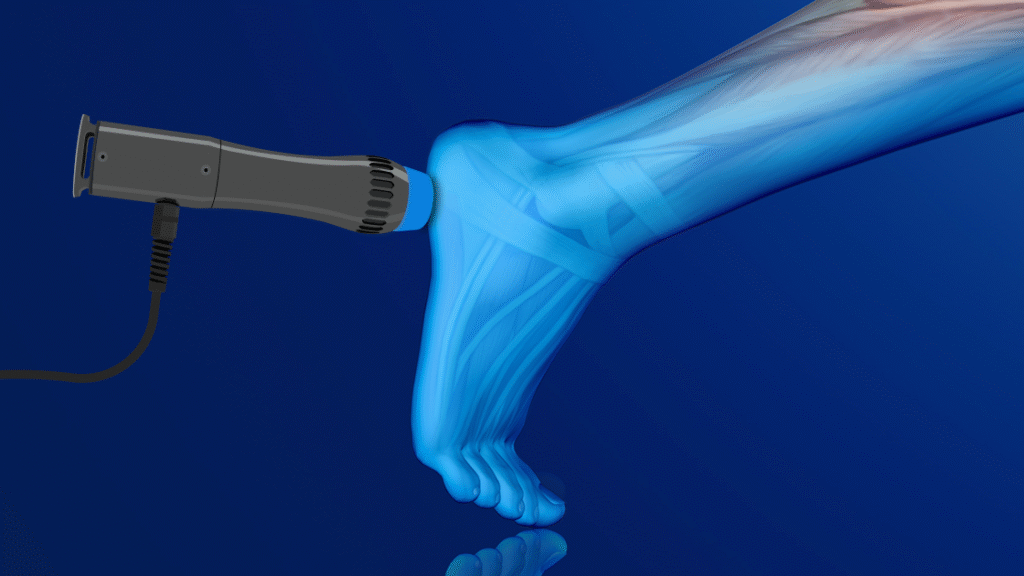
Shockwave therapy delivers high-energy acoustic waves to the affected heel tissue, inducing microtrauma that triggers a biological healing response. This process stimulates fibroblast proliferation, collagen synthesis, and neovascularization, improving tissue elasticity and structural integrity. Additionally, shockwaves reduce local levels of pro-inflammatory mediators and modulate pain receptor activity, leading to significant analgesic effects. The combination of tissue regeneration and pain modulation accelerates functional recovery, enabling patients to resume daily activities more comfortably. Photobiochemical and mechanical effects work synergistically to address both the structural and symptomatic aspects of calcaneal spurs.
2.2 Advantages Over Traditional Treatments
Compared to traditional interventions, shockwave therapy offers several advantages. Unlike surgery, it is non-invasive and does not require anesthesia, eliminating surgical risks and reducing downtime. Unlike long-term pharmacological therapy, it avoids systemic side effects associated with anti-inflammatory drugs. Additionally, it can be applied repeatedly to enhance tissue remodeling, shorten recovery times, and improve patient compliance. Shockwave therapy can also be combined with conservative approaches, such as stretching exercises and orthotic support, providing a comprehensive rehabilitation plan without interrupting daily routines.
3. Shockwave Therapy in Treating Calcaneal Spurs
Shockwave therapy directly targets the pathological processes underlying heel spurs, focusing on pain reduction, tissue healing, and functional restoration.
3.1 Reducing Heel Pain
Heel pain is often the most debilitating symptom of calcaneal spurs. Shockwave therapy alleviates pain by modulating nociceptor activity and reducing local inflammation in the plantar fascia and surrounding soft tissues. Acoustic waves stimulate the release of endogenous opioids and growth factors, enhancing analgesic effects. Patients often report decreased morning stiffness, reduced tenderness, and improved comfort during walking. By addressing the neurological and inflammatory components of heel pain, shockwave therapy allows older adults to regain mobility and participate more fully in daily activities.
3.2 Promoting Tissue Healing
One of the primary benefits of shockwave therapy is its ability to promote tissue repair. The therapy stimulates fibroblast activity, encouraging collagen synthesis and alignment at the tendon-bone interface. Microvascular circulation is enhanced, delivering oxygen and nutrients to support the healing of degenerative plantar fascia tissue. These regenerative effects help to resolve chronic inflammation, improve tissue elasticity, and stabilize the heel structure, addressing the underlying causes of calcaneal spurs rather than merely masking symptoms. Over time, treated tissues demonstrate improved biomechanical resilience.
3.3 Improving Mobility and Function
Chronic heel pain often restricts movement, leading to compensatory gait patterns and further musculoskeletal strain. Shockwave therapy improves joint mobility and soft tissue flexibility, reducing stiffness in the heel and plantar fascia. Patients regain the ability to walk, stand, and exercise comfortably, enhancing overall quality of life. Combining therapy with gentle stretching and strengthening exercises of the foot and calf muscles further supports functional recovery. The integrated approach ensures that the therapeutic effects are sustained, minimizing the risk of recurrence and promoting long-term foot health.
4. Integrating Shockwave Therapy into Older Adults’ Foot Care
For optimal outcomes, shockwave therapy should be integrated into a holistic foot care plan that includes preventive measures and lifestyle adjustments.
4.1 Scheduling Treatments
Treatment frequency and intensity depend on the severity and chronicity of the calcaneal spur. Typically, older adults undergo 2–4 sessions spaced one week apart, with each session lasting approximately 15–20 minutes. Acute inflammation may require more frequent treatments, while chronic cases may need extended courses. Proper scheduling ensures that tissues respond positively to the mechanical stimulation without exacerbating pain or inflammation. By aligning therapy sessions with daily activity patterns, patients can maintain mobility while gradually improving heel function.
4.2 Preventive Strategies
Preventing recurrence of calcaneal spurs is essential for maintaining foot health. Strategies include daily plantar fascia stretching, maintaining a healthy weight to reduce mechanical load, and using orthotic shoe inserts to correct abnormal gait patterns. Regular low-impact exercises, such as walking or swimming, can strengthen supporting muscles and enhance tissue resilience. Incorporating these preventive measures alongside shockwave therapy creates a synergistic effect, promoting long-term relief and reducing the likelihood of future heel pain episodes.
5. Safety and Considerations
Shockwave therapy is generally safe when administered according to established clinical protocols. Mild side effects may include temporary redness, swelling, or tingling at the treatment site. The therapy is contraindicated in patients with active infections, malignancies in the foot region, or severe vascular disorders. Proper patient evaluation ensures safety and maximizes therapeutic benefits. The non-invasive nature of shockwave therapy makes it particularly suitable for older adults, who may face higher risks with surgical interventions. Overall, it provides an effective and low-risk alternative for managing calcaneal spurs.
6. FAQ (Frequently Asked Questions)
Is shockwave therapy painful?
Most patients experience mild discomfort or a tingling sensation during treatment, which is generally well tolerated.
Can I walk or stand during therapy?
Yes, shockwave therapy does not restrict mobility. Patients can typically perform daily activities immediately after sessions.
How long until I notice improvement?
Some patients report pain relief after 1–2 sessions, but full functional recovery often requires 4–6 weeks, depending on severity.
Is this therapy suitable for all older adults?
It is suitable for most, but individuals with active infections, tumors, or severe circulatory disorders should avoid treatment.
Conclusão
Calcaneal spurs are a common cause of chronic heel pain in older adults, affecting mobility and quality of life. Shockwave therapy offers a non-invasive, effective solution by stimulating tissue repair, reducing inflammation, and restoring functional mobility. Combined with preventive care, stretching, and supportive footwear, it provides a holistic approach to managing heel spurs. With growing clinical evidence supporting its efficacy, shockwave therapy has become a valuable tool in foot care for older adults, offering pain relief and improved quality of life without the risks associated with surgery or long-term medication.
Referências
Shockwave Therapy – Indications and Mechanisms
https://www.shockwavemachines.com/indications
Extracorporeal Shockwave Therapy in Heel Pain – PubMed
https://pubmed.ncbi.nlm.nih.gov/30361968
Calcaneal Spur and Plantar Fasciitis Overview – Mayo Clinic
https://www.mayoclinic.org/diseases-conditions/plantar-fasciitis/symptoms-causes/syc-20354846