

Введение
Joint pain affects millions of people worldwide, significantly impacting quality of life and limiting daily activities. Traditional treatments often focus on symptom management rather than addressing the underlying tissue damage. However, a revolutionary approach is changing the landscape of joint therapy: Extracorporeal Shock Wave Therapy (ESWT). This non-invasive treatment harnesses the power of acoustic waves to stimulate the body’s natural healing mechanisms, offering hope for patients with various joint conditions. Unlike conventional treatments that may only provide temporary relief, shockwave therapy works at the cellular level to promote tissue regeneration and repair. By understanding how this innovative treatment rebuilds joints from within, patients and healthcare providers can make informed decisions about incorporating ESWT into comprehensive treatment plans. This therapeutic approach represents a paradigm shift from managing symptoms to actively promoting healing and restoration of joint function.
Understanding Shockwave Therapy: The Science Behind the Healing
Modern medicine continues to evolve with innovative treatments that harness the body’s natural healing capabilities. Shockwave therapy represents one such advancement, utilizing precise acoustic energy to stimulate biological processes at the cellular level. To fully appreciate its therapeutic potential, we must first examine the fundamental principles that make this treatment so effective.
What is Extracorporeal Shock Wave Therapy (ESWT)?
Extracorporeal Shock Wave Therapy (ESWT) is a non-invasive medical treatment that delivers focused acoustic waves to targeted tissues. Originally developed for breaking up kidney stones (lithotripsy), ESWT has evolved into a sophisticated therapeutic modality for musculoskeletal conditions. The treatment uses specialized equipment to generate high-energy sound waves that penetrate deep into tissues without damaging surrounding structures. The acoustic waves are precisely calibrated to deliver optimal energy density to the treatment area. These waves create mechanical stress within tissues, triggering a cascade of biological responses that promote healing and regeneration. The extracorporeal nature of the treatment means the energy source remains outside the body, making it a safe and well-tolerated option for patients seeking alternatives to surgical interventions.
The Biological Mechanism: How Shockwaves Trigger Healing
The therapeutic effects of shockwave therapy stem from complex biological mechanisms that occur at the cellular and molecular levels. Understanding these processes helps explain why ESWT is so effective for joint conditions and provides insight into the scientific foundation supporting its clinical applications.
Mechanotransduction: Converting Mechanical Energy to Biological Response
Mechanotransduction represents the fundamental process by which cells convert mechanical stimuli into biochemical signals. When shockwaves reach target tissues, they create mechanical stress that activates mechanosensitive ion channels and cellular receptors. This activation triggers intracellular signaling pathways that regulate gene expression, protein synthesis, and cellular metabolism. The process involves multiple molecular cascades, including the activation of focal adhesion kinase (FAK), integrin-mediated signaling, and downstream pathways that promote tissue repair and regeneration.
Neovascularization and Angiogenesis Stimulation
Shockwave therapy significantly enhances blood vessel formation through the stimulation of angiogenesis and neovascularization. The acoustic waves upregulate vascular endothelial growth factor (VEGF) expression, promoting endothelial cell proliferation and migration. This process leads to the formation of new capillaries and improved blood supply to treated tissues. Enhanced vascularization ensures better oxygen and nutrient delivery, facilitating the healing process and supporting long-term tissue health. The improved circulation also aids in the removal of metabolic waste products and inflammatory mediators.
Cellular Regeneration and Tissue Repair Pathways
The regenerative effects of shockwave therapy involve multiple cellular pathways that promote tissue repair and remodeling. Treatment stimulates the release of growth factors, including transforming growth factor-beta (TGF-β), platelet-derived growth factor (PDGF), and insulin-like growth factor (IGF-1). These molecular signals activate stem cells and progenitor cells, promoting their differentiation into specialized tissue cells. The therapy also enhances extracellular matrix synthesis, improving tissue structure and mechanical properties. Additionally, shockwaves modulate inflammatory responses, reducing chronic inflammation while promoting the resolution phase of healing.
The Therapeutic Effects on Joint Tissues
Joint structures respond uniquely to shockwave therapy due to their specialized anatomy and function. The treatment’s ability to target different joint components simultaneously makes it particularly effective for addressing complex joint pathologies. Understanding these specific effects helps explain why ESWT produces superior outcomes for various joint conditions.
Cartilage Regeneration and Chondrocyte Activation
Articular cartilage, the smooth tissue covering joint surfaces, has limited regenerative capacity due to its avascular nature. Shockwave therapy addresses this limitation by directly stimulating chondrocytes (cartilage cells) and promoting their metabolic activity. The treatment increases the production of proteoglycans and type II collagen, essential components of healthy cartilage matrix. Studies demonstrate that ESWT can reverse some degenerative changes in cartilage by promoting chondrocyte proliferation and enhancing their synthetic function. This process helps restore cartilage thickness and improves its mechanical properties, reducing joint pain and stiffness.
Synovial Membrane Healing and Inflammation Reduction
The synovial membrane, which lines joint cavities and produces synovial fluid, often becomes inflamed in joint conditions. Shockwave therapy effectively reduces synovial inflammation by modulating inflammatory cytokine production and promoting the resolution of chronic inflammatory processes. The treatment enhances synovial fluid production and improves its viscosity, leading to better joint lubrication and reduced friction during movement. These anti-inflammatory effects contribute significantly to pain reduction and improved joint function, making daily activities more comfortable and sustainable for patients.
Subchondral Bone Remodeling and Strengthening
The subchondral bone, located beneath the articular cartilage, plays a crucial role in joint health and function. Shockwave therapy stimulates osteoblast activity and promotes healthy bone remodeling in this region. The treatment increases bone mineral density and improves the structural integrity of subchondral bone, providing better support for overlying cartilage. This effect is particularly important in conditions like osteoarthritis, where subchondral bone changes contribute to joint degeneration. By strengthening the underlying bone structure, ESWT helps prevent further cartilage damage and supports long-term joint health.
Why Shockwave Therapy Works for Joint Conditions
The effectiveness of shockwave therapy for joint conditions stems from its unique approach to treatment and its ability to address multiple aspects of joint pathology simultaneously. Unlike traditional treatments that often focus on single aspects of joint problems, ESWT provides comprehensive therapeutic benefits that make it particularly suitable for complex joint conditions.
Targets the Root Cause, Not Just Symptoms
Traditional pain management approaches often focus on symptom relief without addressing underlying tissue damage and dysfunction. Shockwave therapy takes a fundamentally different approach by targeting the pathophysiological processes responsible for joint deterioration. The treatment directly stimulates cellular repair mechanisms, promoting tissue regeneration and addressing the root causes of joint problems. This approach leads to more sustainable improvements in joint function and pain reduction. By focusing on tissue healing rather than just symptom management, ESWT provides patients with long-term benefits that extend beyond temporary pain relief.
Improves Mobility Without Invasive Procedures
Joint surgery, while sometimes necessary, carries inherent risks and requires significant recovery time. Shockwave therapy offers a non-invasive alternative that can dramatically improve joint mobility and function without surgical intervention. The treatment preserves natural joint anatomy while stimulating the body’s healing processes. Patients can typically return to normal activities shortly after treatment, making it an attractive option for those seeking to avoid surgery. The non-invasive nature of ESWT also makes it suitable for patients who may not be candidates for surgical procedures due to age, health conditions, or personal preferences.
Natural Regeneration Over Quick Fixes
Rather than providing temporary symptom relief, shockwave therapy promotes natural tissue regeneration and healing. This approach aligns with the body’s inherent healing mechanisms, supporting sustainable improvements in joint health. The treatment stimulates the production of growth factors and other healing mediators that continue to work long after the therapy session ends. This natural regeneration process leads to improvements that develop gradually over time, providing patients with lasting benefits. Unlike quick-fix solutions that may mask symptoms temporarily, ESWT addresses the underlying tissue damage and promotes genuine healing.
Effective for Cartilage, Ligaments, and Tendons
Joint function depends on the coordinated interaction of multiple tissue types, including cartilage, ligaments, tendons, and bone. Shockwave therapy’s ability to stimulate healing in all these tissues makes it particularly effective for comprehensive joint treatment. The treatment promotes collagen synthesis in ligaments and tendons, improving their strength and flexibility. Simultaneously, it stimulates cartilage regeneration and reduces inflammation in surrounding tissues. This multi-target approach ensures that all components of the joint benefit from treatment, leading to better overall outcomes and improved joint function.
Joint Conditions That Benefit Most
Shockwave therapy has demonstrated significant efficacy across a wide range of joint conditions, from acute injuries to chronic degenerative diseases. The treatment’s versatility and effectiveness make it suitable for various anatomical locations and pathological conditions. Understanding which conditions respond best to ESWT helps patients and healthcare providers make informed treatment decisions.
Knee Osteoarthritis: The Most Common Joint Condition
Knee osteoarthritis affects millions of people worldwide and represents one of the most successfully treated conditions with shockwave therapy. The knee joint’s complex anatomy, including cartilage, menisci, ligaments, and surrounding soft tissues, responds well to ESWT’s multi-target approach. Clinical studies consistently demonstrate significant improvements in pain reduction, function, and quality of life for patients with knee osteoarthritis. The treatment is particularly effective for mild to moderate osteoarthritis, where some cartilage remains and can be stimulated to regenerate. Patients often experience improved range of motion, reduced stiffness, and enhanced ability to perform daily activities.
Shoulder Tendinopathy and Frozen Shoulder
Shoulder conditions, including тендинопатия вращательной манжеты, calcific tendinitis, and adhesive capsulitis (frozen shoulder), respond exceptionally well to shockwave therapy. The treatment’s ability to break down calcium deposits, reduce inflammation, and promote tissue healing makes it highly effective for these conditions. For frozen shoulder, ESWT helps restore range of motion by addressing capsular restrictions and reducing inflammatory processes. The treatment’s anti-inflammatory effects combined with its ability to stimulate tissue repair make it an excellent option for patients with chronic shoulder pain and limited mobility.
Hip Bursitis and Labral Damage
Hip joint conditions, including trochanteric bursitis, hip impingement, and labral tears, benefit significantly from shockwave therapy. The treatment’s ability to reduce inflammation in the hip bursa while promoting tissue healing makes it effective for bursitis management. For labral damage, ESWT stimulates the limited healing capacity of this fibrocartilaginous structure, potentially avoiding the need for surgical intervention. The deep penetration of shockwaves makes them particularly suitable for reaching hip joint structures, which are often difficult to access with other non-invasive treatments.
Ankle and Foot Joint Degeneration
The foot and ankle contain numerous small joints that can be affected by osteoarthritis, particularly in the subtalar joint, midfoot, and first metatarsophalangeal joint. Shockwave therapy’s precision allows for targeted treatment of these specific areas while addressing the complex biomechanical interactions between multiple joints. The treatment is particularly effective for conditions like hallux rigidus (big toe артрит) and midfoot osteoarthritis. Patients often experience improved mobility, reduced pain during weight-bearing activities, and enhanced overall foot function. The treatment’s ability to address both joint and soft tissue components makes it ideal for foot and ankle conditions.
Wrist and Finger Joint Issues
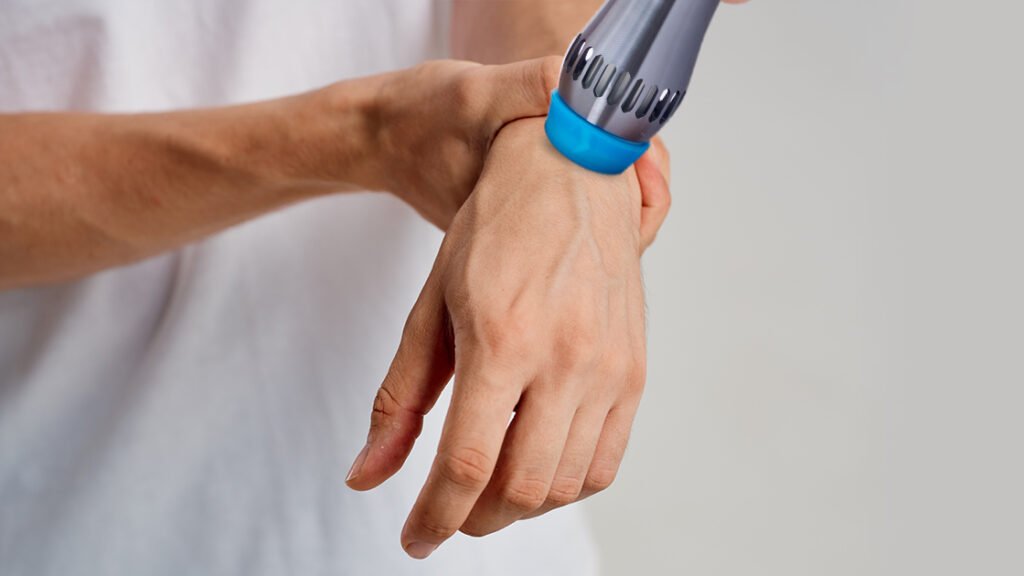
Small joint arthritis in the hands and wrists, including conditions like thumb basal joint arthritis and finger joint osteoarthritis, can significantly impact daily function. Shockwave therapy’s ability to treat small, precise areas makes it well-suited for these conditions. The treatment can improve joint mobility, reduce pain, and enhance hand function for activities of daily living. For conditions like carpal tunnel syndrome, where joint involvement contributes to symptoms, ESWT can address multiple components of the condition simultaneously. The non-invasive nature of the treatment is particularly appealing for hand conditions, where surgical interventions can be complex and recovery prolonged.
Spinal Conditions and Sacroiliac Joint Pain
Spinal joint conditions, including facet joint arthritis and sacroiliac joint dysfunction, can benefit from shockwave therapy’s deep penetration and anti-inflammatory effects. The treatment can address both the joint pathology and associated muscle tension and trigger points. For sacroiliac joint pain, ESWT can reduce inflammation and promote healing in this complex joint structure. The treatment’s ability to address multiple pain generators simultaneously makes it particularly effective for spinal conditions, where pain often originates from multiple sources. Patients frequently experience improved spinal mobility and reduced pain with functional activities.

Combining Shockwave with Other Therapies
The integration of shockwave therapy with other treatment modalities often produces superior outcomes compared to single-treatment approaches. This synergistic effect occurs because different therapies target various aspects of joint pathology, creating a comprehensive treatment strategy that addresses the full spectrum of joint conditions.
Physical Therapy and Rehabilitation
Physical therapy serves as an ideal complement to shockwave therapy, as both treatments work synergistically to restore joint function and mobility. ESWT prepares tissues for movement by reducing inflammation and promoting healing, while physical therapy maintains and builds upon these improvements through targeted exercises and manual therapy techniques. The combination allows for more aggressive rehabilitation protocols, as shockwave therapy reduces pain and tissue sensitivity. Patients can typically progress faster through their rehabilitation program when both treatments are used together. The timing of these treatments is crucial, with shockwave therapy often performed before physical therapy sessions to maximize treatment benefits.
Orthotics, Bracing, and Joint Offloading
Mechanical support through orthotics and bracing plays a crucial role in joint treatment by reducing stress on healing tissues and optimizing biomechanical function. When combined with shockwave therapy, these devices help maintain proper joint alignment while the biological healing processes are activated. For weight-bearing joints, offloading devices can reduce mechanical stress during the healing phase, allowing shockwave therapy to be more effective. The combination is particularly beneficial for conditions like knee osteoarthritis, where unloader braces can reduce joint stress while ESWT promotes tissue regeneration. Custom orthotics can address biomechanical abnormalities that contribute to joint degeneration while shockwave therapy addresses the existing tissue damage.
Nutrition and Supplements for Joint Recovery
Nutritional support plays a vital role in tissue healing and can enhance the effects of shockwave therapy. Anti-inflammatory nutrients, including omega-3 fatty acids, curcumin, and antioxidants, can help reduce systemic inflammation and support the healing processes initiated by ESWT. Specific nutrients like glucosamine, chondroitin, and collagen peptides may support cartilage synthesis and repair. Vitamin D and calcium are essential for bone health and may enhance the bone remodeling effects of shockwave therapy. The combination of targeted nutrition with ESWT creates an optimal environment for tissue healing and regeneration, potentially accelerating recovery and improving long-term outcomes.
When to Use PRP or Laser Therapy in Combination
Platelet-Rich Plasma (PRP) therapy and low-level laser therapy (LLLT) can be effectively combined with shockwave therapy for enhanced regenerative effects. PRP provides concentrated growth factors and healing mediators that can amplify the regenerative processes initiated by shockwave therapy. The combination is particularly effective for severe cartilage damage or when rapid healing is desired. Low-level laser therapy can reduce inflammation and promote cellular metabolism, complementing the mechanical effects of shockwave therapy. The timing and sequencing of these treatments require careful consideration, with some protocols alternating treatments and others combining them in single sessions for maximum synergistic benefit.
Часто задаваемые вопросы (FAQ)
Most patients feel mild to moderate discomfort, often described as tapping or pressure. It’s brief, manageable, and usually fades right after treatment. Devices can adjust intensity to suit your tolerance, and anesthesia is rarely needed.
Light activities can resume in 1–2 days, while high-impact sports may need a gradual return over weeks. A personalized plan from your provider ensures safe recovery and long-term results.
Yes, though results may be modest. It can ease pain, improve mobility, and delay surgery by stimulating tissue repair and reducing inflammation—even in advanced stages.
Absolutely. Shockwave therapy can be repeated safely. Many patients benefit from occasional maintenance treatments based on symptom recurrence and individual needs.
Relief can last months or years, especially with lifestyle support. However, degenerative conditions may progress, making periodic sessions beneficial for long-term joint health.
Conclusion: Rescue Your Joints, Reclaim Your Movement
The journey through understanding ударно-волновая терапия reveals a revolutionary approach to joint health that addresses the fundamental processes of tissue healing and regeneration. This comprehensive treatment modality offers hope for millions of patients struggling with joint conditions, providing a scientifically-backed alternative to traditional symptom-management approaches.
Summary of Therapeutic Benefits
Shockwave therapy provides multiple therapeutic benefits that work synergistically to restore joint health and function. The treatment’s ability to stimulate cellular regeneration, reduce inflammation, and promote tissue healing makes it uniquely effective for various joint conditions. Patients typically experience reduced pain, improved mobility, and enhanced quality of life. The non-invasive nature of the treatment, combined with its excellent safety profile, makes it suitable for a wide range of patients. The regenerative effects of ESWT can delay or prevent the need for surgical intervention while supporting the body’s natural healing processes.
Who Should Consider Shockwave Therapy
Patients with mild to moderate osteoarthritis who wish to delay or avoid joint replacement surgery.
Individuals with chronic tendinopathies or joint-related soft tissue conditions that haven’t responded to traditional treatments.
Those seeking non-invasive, drug-free alternatives to manage chronic joint pain and inflammation.
Athletes or active individuals who want to maintain performance without surgical intervention.
People aiming to reduce reliance on long-term medications such as NSAIDs or corticosteroids.
Patients interested in regenerative therapies that support natural healing rather than masking symptoms.
Next Steps: Talk to Your Practitioner
If you’re considering shockwave therapy for your joint condition, the first step is consulting with a qualified healthcare provider experienced in ESWT. During this consultation, your practitioner will assess your specific condition, discuss treatment options, and determine if you’re a suitable candidate for shockwave therapy. They will explain the treatment process, expected outcomes, and develop a personalized treatment plan. Be prepared to discuss your symptoms, medical history, and treatment goals. Your practitioner may recommend combining shockwave therapy with other treatments for optimal results. Taking this step toward innovative joint treatment could be the beginning of your journey back to pain-free movement and improved quality of life.