

Introduction
The fitness industry is evolving from traditional workout-focused services toward more complete wellness experiences that include training, recovery, and long-term body maintenance. Boutique fitness studios are increasingly exploring advanced technologies that can complement exercise programs and provide additional support for active clients. Shockwave Therapy, which uses acoustic wave technology to deliver controlled mechanical energy, has become an emerging option within professional recovery environments. By integrating recovery-focused technology into fitness services, boutique studios can create more comprehensive programs that support mobility, physical comfort, and personalized wellness goals.
1. The Evolution of Boutique Fitness and Recovery Services
Boutique fitness studios have developed beyond traditional exercise spaces by focusing on specialized training experiences, personalized coaching, and community-based wellness services. As clients become more interested in maintaining active lifestyles, recovery has become an important part of modern fitness programs.
1.1 The Growing Demand for Recovery-Focused Fitness
Modern fitness clients often look for more than workout instruction. They want programs that support consistent training habits, physical maintenance, and overall wellness routines.
Recovery-focused fitness combines exercise programs with strategies that help individuals manage physical demands from regular training. This trend has encouraged fitness studios to explore technologies that can complement their existing services.
Shockwave Therapy provides another technology option for studios interested in expanding their recovery-related offerings.
1.2 Why Boutique Studios Are Exploring Advanced Wellness Technology
Unlike traditional gyms, boutique fitness studios usually focus on specialized experiences and personalized services. Technology integration can help these studios create unique environments that meet changing client expectations.
Advanced recovery tools, including acoustic wave technology, allow fitness professionals to introduce new approaches alongside training programs.
By combining professional coaching with modern technology, boutique studios can develop a more complete fitness experience.
1.3 The Connection Between Training and Recovery
Consistent exercise requires proper recovery planning. Many active individuals include recovery routines as part of their long-term fitness habits.
Training without appropriate recovery strategies may create challenges for maintaining regular activity levels. Because of this, fitness professionals increasingly recognize the importance of balancing exercise intensity with recovery support.
Shockwave Therapy represents one approach that can be incorporated into broader wellness and fitness strategies.
2. Understanding Shockwave Therapy Technology in Fitness Settings
Shockwave Therapy uses acoustic waves to deliver controlled mechanical energy to targeted areas. Originally developed within medical and rehabilitation environments, this technology has gained attention in various professional wellness and recovery settings.
2.1 How Acoustic Wave Technology Supports Recovery Programs
Acoustic wave technology uses mechanical waves that interact with targeted body areas. Professional users can adjust application settings based on different program goals and individual requirements.
In fitness environments, Shockwave Therapy is often considered as part of a broader recovery approach that includes exercise, mobility training, and lifestyle management.
The technology provides fitness professionals with an additional option for supporting recovery-focused services.
2.2 The Role of Radial Shockwave Therapy in Modern Fitness Services
Radial Shockwave Therapy is one commonly used form of shockwave technology. It delivers pressure waves through a handheld applicator and allows professionals to focus on specific areas during applications.
Fitness studios may explore radial shockwave systems as part of wellness programs designed for active clients.
When combined with professional knowledge and appropriate fitness guidance, shockwave technology can become part of a modern recovery environment.
2.3 Integrating Technology Into Boutique Fitness Workflows
For boutique fitness studios, successful technology integration requires thoughtful planning. Recovery services should align with the studio’s training philosophy, client needs, and professional capabilities.
Shockwave Therapy can be positioned as a complementary service that works alongside fitness coaching, movement training, and wellness programs.
This integrated approach reflects the growing connection between fitness, recovery, and technology.
3. Benefits of Adding Shockwave Therapy to Boutique Fitness Studios
As boutique fitness continues to develop, many studios are looking for ways to create more complete experiences for their clients. Integrating recovery technology can help bridge the gap between exercise performance and long-term wellness management. Shockwave Therapy provides fitness businesses with another option to support recovery-focused services while maintaining a personalized approach.
3.1 Creating a More Comprehensive Fitness Experience
Modern fitness clients often value services that address different aspects of an active lifestyle. A complete fitness experience may include strength training, mobility work, recovery routines, and wellness education.
By incorporating Shockwave Therapy into their service structure, boutique studios can provide additional recovery-focused options that complement existing programs.
This approach supports the idea that fitness is not only about exercise performance but also about maintaining sustainable movement habits.
3.2 Supporting Personalized Recovery Programs
Every client has different training schedules, activity levels, and wellness goals. Boutique fitness studios often focus on customized experiences, making personalized recovery strategies an important part of their services.
Shockwave Therapy allows professionals to consider factors such as application areas, intensity settings, and session structure when creating recovery plans.
This flexibility helps studios develop programs that align with different client preferences and fitness routines.
3.3 Enhancing Client Engagement Through Technology Integration
Technology can influence how clients interact with fitness services. Advanced equipment may help create a more modern training environment while providing additional value beyond traditional workouts.
Recovery-focused technology can encourage clients to view wellness as a continuous process rather than only focusing on exercise sessions.
For boutique fitness studios, combining coaching expertise with innovative technology can support stronger connections with active communities.
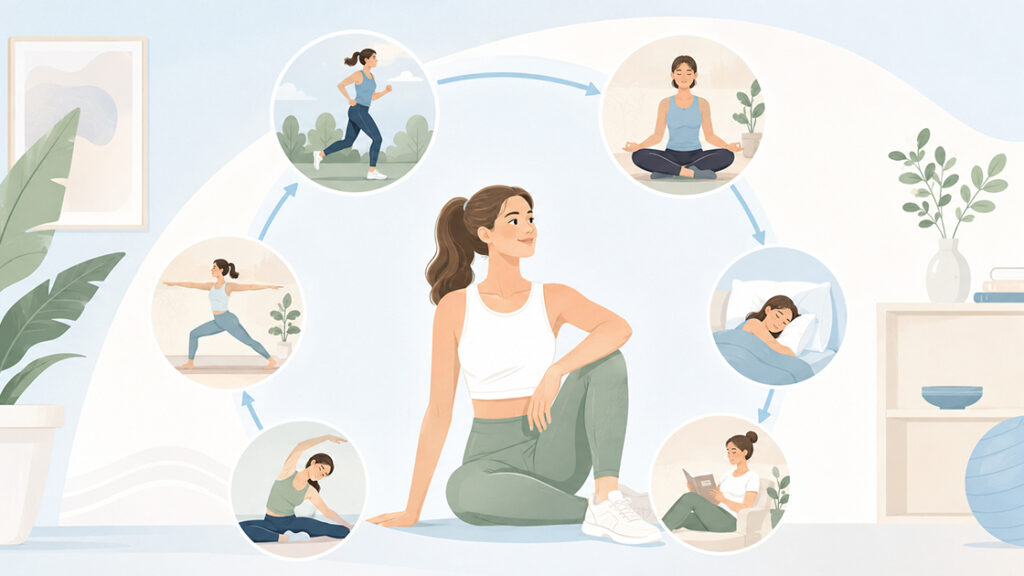
4. Applications of Shockwave Therapy in Different Boutique Fitness Environments
Boutique fitness studios vary widely in their specialties, from strength training and functional fitness to mobility-focused programs. Understanding how Shockwave Therapy fits into different environments helps professionals explore suitable applications.
4.1 Strength and Conditioning Studios
Strength-focused studios often work with clients who participate in resistance training, functional movements, and structured exercise programs.
These environments may include individuals with demanding training schedules who value recovery routines as part of their fitness plans.
Shockwave Therapy can complement strength and conditioning programs by providing an additional technology-based recovery option within a professional setting.
4.2 Mobility and Movement-Focused Studios
Some boutique studios specialize in movement quality, flexibility, and body awareness. These programs often attract clients who want to improve their overall movement experience.
Shockwave Therapy can be integrated alongside mobility exercises and movement education as part of a broader wellness approach.
Combining technology with movement-based training allows studios to create diverse service models.
4.3 Recovery and Wellness-Focused Fitness Centers
Some modern fitness facilities are shifting toward recovery-centered environments that combine exercise with wellness services.
These facilities may include recovery technologies, mobility programs, and personalized fitness guidance.
Shockwave Therapy aligns with this trend by offering an advanced technology option for studios developing comprehensive wellness experiences.
5. The Future of Recovery-Focused Fitness Technology
The relationship between fitness and recovery continues to evolve. As more people prioritize sustainable activity habits, fitness businesses are exploring technologies that support personalized and comprehensive wellness programs.
5.1 The Growing Role of Technology in Fitness Services
Technology has become an important part of modern fitness environments. From digital tracking systems to advanced recovery equipment, studios continue to explore tools that improve client experiences.
Shockwave Therapy represents one example of how professional equipment can become part of a broader fitness and wellness strategy.
Future fitness services are likely to focus more on combining exercise, recovery, and technology.
5.2 Building a Modern Fitness Business Model
Boutique fitness studios often differentiate themselves through specialized services and personalized experiences.
Adding recovery-focused technology can help studios expand their service concepts and respond to changing client expectations.
By combining professional coaching, wellness education, and advanced recovery tools, fitness businesses can create more complete approaches to active lifestyle support.
FAQ
What is Shockwave Therapy?
Shockwave Therapy is a technology that uses acoustic waves to deliver controlled mechanical energy in professional recovery settings.
Can fitness studios use Shockwave Therapy?
Yes. Some boutique fitness studios may integrate Shockwave Therapy as part of recovery-focused wellness services.
Is Shockwave Therapy a replacement for exercise?
No. Shockwave Therapy is generally considered a complementary technology that can work alongside fitness and recovery programs.
What types of fitness facilities may consider Shockwave Therapy?
Boutique gyms, recovery centers, mobility studios, and wellness-focused fitness facilities may explore this technology.
How does Shockwave Therapy fit into a fitness program?
It can be incorporated as part of a broader approach that includes exercise training, mobility work, and recovery planning.
Conclusion
Shockwave Therapy provides boutique fitness studios with an opportunity to explore technology-supported recovery services as the fitness industry continues to evolve. By combining acoustic wave technology with professional fitness knowledge, studios can create more comprehensive experiences that connect training, recovery, and wellness. While Shockwave Therapy does not replace exercise programs or professional guidance, it can serve as an additional option for facilities focused on personalized recovery strategies and modern fitness solutions. As clients continue to seek balanced approaches to active lifestyles, recovery-focused technology may become an increasingly important part of boutique fitness environments.
References
Extracorporeal Shock Wave Therapy: A Review of Mechanisms and Clinical Applications
https://www.ncbi.nlm.nih.gov/pmc/articles/PMC3601864
Shock Wave Therapy in Musculoskeletal Disorders: Current Concepts and Applications
https://pubmed.ncbi.nlm.nih.gov/24417838
Extracorporeal Shockwave Therapy and Its Role in Tissue Regeneration
https://www.ncbi.nlm.nih.gov/pmc/articles/PMC6123108
The Use of Shockwave Therapy in Rehabilitation and Sports Medicine
https://pubmed.ncbi.nlm.nih.gov/23244629
Focused and Radial Shockwave Therapy: Principles and Clinical Applications