

Introduction
For hikers and trail runners, exploring challenging outdoor environments requires strength, balance, endurance, and consistent lower-limb performance. Unlike road running, outdoor activities often involve uneven terrain, elevation changes, steep descents, and long periods of weight-bearing movement. These factors place continuous demands on the feet, ankles, calves, knees, and other lower-extremity structures. As more outdoor enthusiasts focus on maintaining mobility and returning to their favorite activities, Shockwave Therapy has gained attention as a supportive technology used in sports rehabilitation and physical wellness programs. Through acoustic wave technology and adjustable energy delivery, shockwave systems allow professionals to target specific areas involved in repetitive movement and physical stress. This approach can be integrated into broader recovery routines for hikers and trail runners who want to support lower-limb comfort during active lifestyles.
1. Understanding Lower-Limb Challenges in Hiking and Trail Running
Outdoor athletes experience different physical demands compared with traditional gym-based training or flat-surface running. Understanding these challenges helps explain why lower-limb recovery has become an important part of outdoor performance management.
1.1 How Trail Conditions Increase Physical Demands
Trail running and hiking require constant adaptation to changing surfaces. Rocky paths, uneven ground, slopes, and downhill sections require the lower body to adjust with every step.
Compared with regular walking or road running, outdoor terrain often increases the need for balance control and muscle coordination. The feet, ankles, calves, and knees work continuously to maintain stability and support body movement.
For frequent hikers and trail runners, these repeated physical demands make lower-limb wellness an important part of maintaining an active outdoor routine.
1.2 Common Areas of Focus for Hikers and Trail Runners
Long-distance outdoor activities involve many lower-body structures. Common areas that receive attention include:
- Feet
- Achilles tendon area
- Calves
- Knees
- Hamstrings
- Hip muscles
Trail runners may experience greater focus on impact-related areas because of repeated running cycles, while hikers may pay more attention to areas affected by long climbs and descents.
Professional recovery programs often consider the entire movement pattern rather than focusing only on one location.
1.3 Why Outdoor Athletes Need Consistent Recovery Strategies
Many outdoor enthusiasts participate in weekend adventures, endurance events, or seasonal hiking plans. Increased training volume before these activities can create additional physical demands.
A complete recovery routine may include:
- Mobility exercises
- Strength training
- Proper footwear selection
- Rest periods
- Professional wellness support
Shockwave Therapy can be considered one supportive option within a broader approach designed to help active individuals maintain movement comfort.
2. Understanding Shockwave Therapy Technology
Shockwave Therapy uses acoustic wave energy to provide targeted applications for musculoskeletal wellness. Modern systems allow professionals to adjust intensity levels and treatment settings according to different areas and individual needs.
2.1 How Shockwave Therapy Works
Shockwave Therapy uses mechanical acoustic waves that travel through soft tissue areas. These controlled energy pulses are designed to create targeted stimulation in selected locations.
Professional systems may include adjustable pressure settings, allowing practitioners to customize applications based on treatment areas and user requirements.
Unlike general recovery methods, shockwave technology focuses on delivering energy directly to specific regions associated with movement demands.
2.2 Radial Shockwave Therapy for Active Lifestyles
Radial Shockwave Therapy is commonly used in sports and rehabilitation environments because it allows professionals to address larger soft tissue areas.
For hikers and trail runners, larger regions such as calves, thighs, and surrounding lower-limb areas may require broader application approaches.
Adjustable radial shockwave systems provide flexibility for different body areas and activity levels.
2.3 Focused Shockwave Technology and Targeted Applications
Focused Shockwave Therapy provides a more concentrated energy delivery approach for specific locations.
For outdoor athletes, targeted applications may be considered for areas that experience repeated stress from activities such as:
- Long-distance hiking
- Trail races
- Hill climbing
- High-volume running
The ability to adjust treatment approaches allows professionals to create more individualized recovery plans.
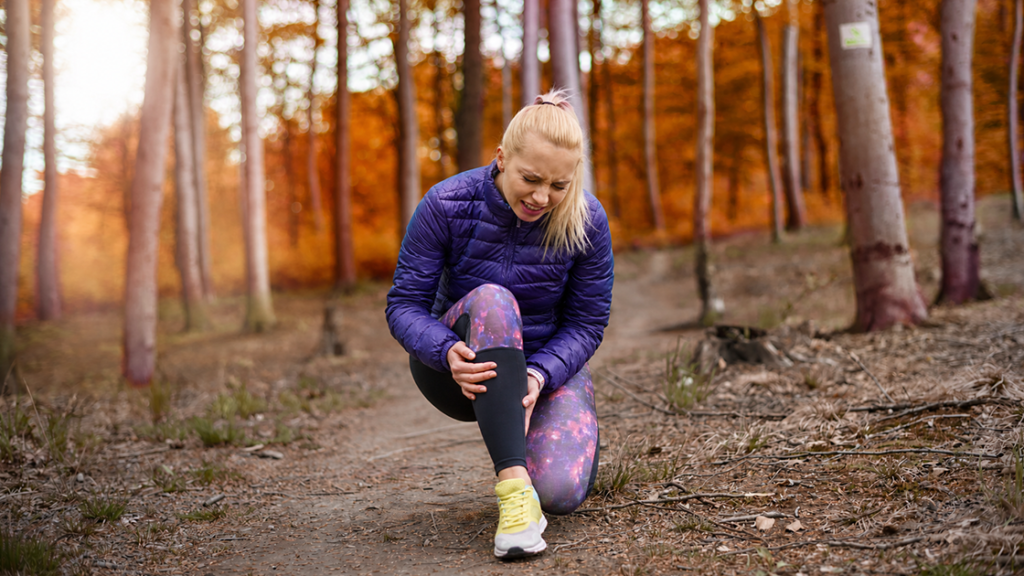
3. Supporting Trail Runners With Shockwave Therapy
Trail runners often combine endurance, speed, and technical movement skills. Their training requires repeated impact management and lower-body coordination.
3.1 Supporting Foot and Ankle Wellness During Trail Running
The feet and ankles play a critical role in trail running because they absorb ground impact and adjust to uneven surfaces.
Changing terrain requires continuous ankle stabilization and foot control. Long-distance routes may increase attention toward these areas.
Shockwave Therapy can be incorporated into professional wellness programs that focus on supporting soft tissue comfort around commonly used lower-extremity regions.
Research has explored shockwave applications in running-related lower-extremity conditions, including foot and ankle concerns, within sports medicine settings.
3.2 Supporting Achilles Tendon and Calf Areas
The Achilles tendon and calf muscles contribute significantly to running efficiency, especially during uphill and downhill movement.
Trail runners often rely on these areas for:
- Push-off power
- Balance control
- Terrain adaptation
Shockwave Therapy is frequently discussed in sports rehabilitation contexts involving tendon-related conditions, making it a technology option considered by professionals working with active populations.
3.3 Supporting Recovery During Training Cycles
Trail runners often follow structured training plans before races or outdoor challenges.
During higher-intensity periods, recovery becomes an essential part of performance preparation.
Shockwave Therapy may complement other recovery methods by providing targeted support for areas affected by repetitive movement and training demands.
4. Shockwave Therapy Applications for Hikers
Hiking places unique demands on the lower body because activities often involve extended walking duration, elevation changes, and carrying additional equipment.
4.1 Supporting Lower-Limb Comfort After Long Hiking Routes
Long hiking sessions require thousands of steps across different surfaces.
Uphill sections increase calf and ankle workload, while downhill sections require greater control from muscles around the knees and legs.
For hikers who frequently participate in long-distance outdoor activities, maintaining lower-limb comfort can support continued participation in their preferred activities.
4.2 Supporting Outdoor Enthusiasts During Seasonal Activities
Many hikers participate more actively during specific seasons, preparing for:
- Mountain hiking
- National park trips
- Backpacking adventures
- Outdoor challenges
Before and after these activities, recovery strategies become an important consideration.
Shockwave Therapy can be included as part of a professional wellness routine designed around individual activity patterns.
4.3 Supporting Mobility for Recreational Outdoor Athletes
Not all hikers and trail runners are professional athletes. Many outdoor enthusiasts simply enjoy nature, fitness, and adventure.
For recreational athletes, maintaining comfortable movement can help them continue participating in outdoor activities.
Shockwave Therapy provides another technology-based option that may support personalized recovery approaches.
5. Choosing Shockwave Therapy for Outdoor Performance Support
As outdoor sports continue to grow, more active individuals are exploring advanced recovery technologies that fit their lifestyles.
5.1 Factors to Consider Before Using Shockwave Therapy
Before choosing Shockwave Therapy, individuals should consider:
- Activity level
- Training intensity
- Target areas
- Personal health background
- Professional evaluation
A customized approach helps ensure that recovery strategies match individual needs.
5.2 Integrating Shockwave Therapy Into an Outdoor Fitness Routine
Shockwave Therapy works best when combined with comprehensive lifestyle habits.
Outdoor athletes may also focus on:
- Proper warm-up routines
- Strength development
- Recovery exercises
- Appropriate footwear
- Training progression
By combining different approaches, hikers and trail runners can better support their long-term outdoor performance goals.
FAQ
Is Shockwave Therapy suitable for hikers and trail runners?
Many active individuals use Shockwave Therapy as part of professional recovery and wellness programs.
Which areas are commonly focused on for outdoor athletes?
Common areas include feet, ankles, calves, Achilles tendon areas, and knees.
Can Shockwave Therapy replace exercise and stretching?
No. It should complement proper training, mobility work, and recovery habits.
Is Shockwave Therapy only for professional athletes?
No. Recreational hikers and runners may also consider it as part of a wellness routine.
Why do trail runners focus on lower-limb recovery?
Because uneven terrain and repetitive movement create continuous demands on the feet, ankles, and legs.
Conclusion
Hiking and trail running provide rewarding outdoor experiences but also require significant lower-limb strength, balance, and endurance. From steep mountain climbs to long-distance trail routes, outdoor activities place repeated demands on the feet, ankles, calves, and knees. Shockwave Therapy offers a modern technology option that uses acoustic wave energy and adjustable settings to support targeted applications within sports rehabilitation and wellness programs. While it does not replace proper training, recovery habits, or professional guidance, it can become a valuable part of a comprehensive approach for hikers and trail runners who want to maintain mobility and continue enjoying outdoor activities.
References
Shockwave Therapy for Musculoskeletal Injuries
https://www.uchicagomedicine.org/conditions-services/orthopaedics/shockwave-therapy
Shockwave treatment for medial tibial stress syndrome in athletes; a prospective controlled study
https://pubmed.ncbi.nlm.nih.gov/21393260
Efficacy of Extracorporeal Pulse-Activated Therapy in the Management of Lower-Extremity Running-Related Injuries
https://pubmed.ncbi.nlm.nih.gov/32340839
Outcomes Using Focused Shockwave for Treatment of Bone Stress Injury in Runners
https://pmc.ncbi.nlm.nih.gov/articles/PMC10451564
Shockwave treatment for medial tibial stress syndrome: A randomized double blind sham-controlled pilot trial
https://www.sciencedirect.com/science/article/pii/S1440244016301402