

Introduction
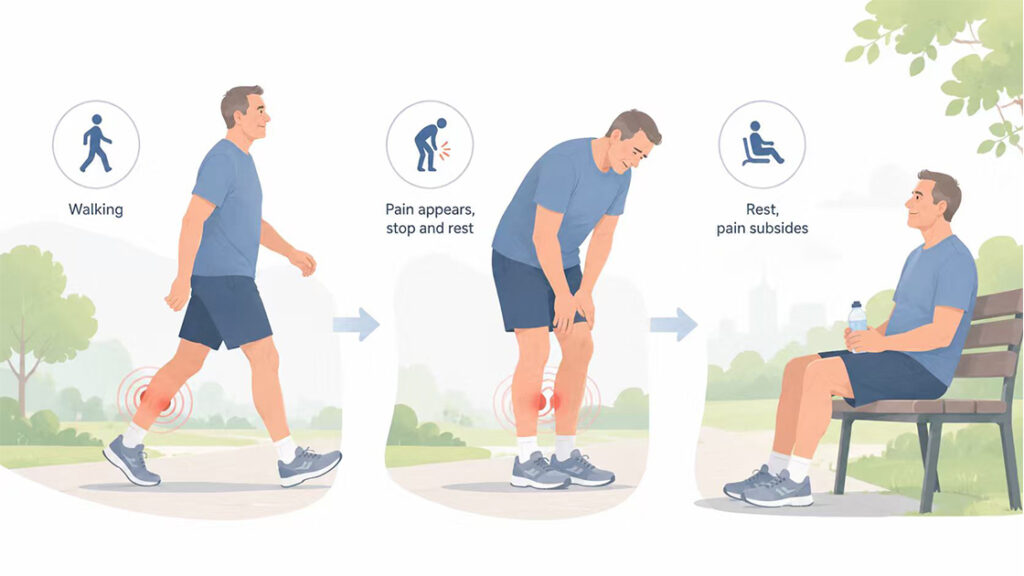
A short walk to the mailbox. A trip across the parking lot. A few blocks around the neighborhood. For millions of people, these simple activities trigger a familiar and frustrating experience: a cramping, aching pain in the calves that forces them to stop and rest. The pain subsides after a few minutes, only to return when they start walking again. This pattern, known as intermittent claudication, affects a significant portion of older adults and represents one of the most common manifestations of peripheral arterial disease. The condition occurs when narrowed arteries limit blood flow to the leg muscles during physical activity, depriving them of the oxygen they need. While supervised exercise programs remain the standard conservative approach, many patients face barriers to accessing these options. Extracorporeal shockwave therapy has emerged as a promising non-invasive alternative that may help individuals walk further with less pain.
1. Understanding Intermittent Claudication
Intermittent claudication refers to pain or discomfort in the lower extremities that develops during physical activity and resolves with rest. This condition typically affects the calf muscles, though it can also involve the thighs or buttocks. The pain results from inadequate blood supply to the working muscles, creating an oxygen deficit that triggers cramping and aching sensations.
1.1 The Underlying Cause: Peripheral Arterial Disease
Peripheral arterial disease, or PAD, develops when atherosclerosis narrows the arteries that supply blood to the legs. Over time, fatty deposits build up on the artery walls, reducing the vessel’s diameter and restricting blood flow. When a person walks or exercises, the muscles demand more oxygen. The narrowed arteries cannot deliver enough blood to meet this demand, and the resulting oxygen debt produces pain. This condition affects millions of adults worldwide, and its prevalence increases with age. Many individuals with PAD remain undiagnosed because they attribute their leg pain to aging or other causes.
1.2 How Claudication Affects Daily Life
The impact of intermittent claudication extends far beyond physical discomfort. The condition limits mobility, making everyday tasks such as grocery shopping, climbing stairs, or walking the dog challenging or impossible. Many individuals find themselves avoiding activities they once enjoyed, leading to social isolation and reduced quality of life. The constant awareness of walking limitations creates a psychological burden that compounds the physical restrictions. Simple pleasures like strolling through a park or walking to a neighbor’s house become sources of anxiety rather than enjoyment. Over time, the progressive nature of the disease also raises concerns about more serious complications.
1.3 The Gap Between Need and Treatment
Supervised exercise programs remain one of the most effective conservative treatments for intermittent claudication. These programs help patients gradually increase their walking distance through structured, monitored sessions. However, access to such programs remains limited. Many patients cannot find nearby facilities or face other barriers that prevent regular attendance. Revascularization procedures, such as angioplasty or bypass surgery, offer another option for some patients, but these interventions carry risks and are not suitable for everyone. The limitations of current treatment options create a need for accessible, non-invasive alternatives that can help patients manage their symptoms and maintain their independence.
2. How Shockwave Therapy Works
Extracorporeal shockwave therapy, or ESWT, delivers high-energy acoustic waves to targeted tissues through the skin. The mechanical energy from these waves triggers biological responses that support tissue healing and improved function.
2.1 Stimulating New Blood Vessel Formation
One of the key effects of shockwave therapy is its ability to stimulate the formation of new blood vessels, a process known as neovascularization. The acoustic waves create microtrauma in the tissue, which triggers a healing response. This response includes the release of growth factors that encourage the growth of new capillaries. Over time, these new vessels may help improve blood flow to ischemic tissues, potentially addressing the underlying circulatory deficit that causes claudication.
2.2 Influencing Pain Pathways
Shockwave therapy also influences how the body processes pain signals. The acoustic pulses can alter the transmission of pain impulses along nerve pathways, providing a period of reduced sensitivity in the treated area. This analgesic effect may help patients experience less discomfort during walking, allowing them to extend their distance before the pain becomes limiting. For many individuals, this reduction in pain perception makes a meaningful difference in daily function.
2.3 Supporting Muscle Function
The mechanical energy from shockwaves also affects muscle tissue directly. The treatment may help reduce muscle tension and improve the elasticity of connective tissues surrounding the muscles. This effect can contribute to better muscle function during walking. When combined with improved circulation, these changes support the leg muscles’ ability to perform during physical activity. The treatment does not replace the need for exercise but may make it easier for patients to engage in physical activity.
3. A Non-Invasive Alternative
For many patients with intermittent claudication, the appeal of shockwave therapy lies in its non-invasive nature and accessibility.
3.1 No Surgery, No Downtime
Unlike revascularization procedures, shockwave therapy does not require incisions, anesthesia, or hospitalization. The treatment involves placing a handpiece against the skin over the affected muscle area and delivering acoustic pulses. Each session typically lasts only a short time, and patients can resume their normal activities immediately afterward. The absence of downtime makes shockwave therapy convenient for individuals with busy schedules or limited time for medical appointments.
3.2 A Treatment That Works Alongside Other Approaches
Shockwave therapy does not conflict with other treatments. Patients can continue their medications and other therapies while receiving shockwave treatment. This compatibility makes it easy to integrate into an existing care plan. For many patients, shockwave therapy serves as an additional tool that works alongside their current management strategies rather than replacing them.
3.3 Reaching Patients Who Need It Most
The accessibility of shockwave therapy makes it particularly valuable for patients who cannot access supervised exercise programs or who are not candidates for surgery. Many individuals live in areas where specialized exercise programs are not available. Others may have mobility limitations that make attending regular sessions difficult. Shockwave therapy, which can be delivered in a clinical setting with minimal equipment, offers a practical option for these patients.
4. What to Expect from Treatment
For individuals considering shockwave therapy for intermittent claudication, understanding the typical course of treatment helps set realistic expectations.
4.1 The Treatment Protocol
A typical shockwave therapy protocol for claudication involves multiple sessions delivered over several weeks. The exact protocol may vary depending on the specific device used and the patient’s individual needs. Each session is brief, and patients remain fully clothed throughout the treatment. The number of sessions and their frequency can be adjusted based on how the patient responds.
4.2 The Treatment Experience
During a session, the practitioner positions the handpiece over the calf muscle or other affected area. The device delivers acoustic pulses that pass through the skin and into the underlying tissues. Most patients describe the sensation as tapping or pressure rather than pain. The treatment does not require anesthesia, and patients can return to their normal activities immediately afterward.
4.3 When to Expect Results
The improvements from shockwave therapy typically develop gradually over the weeks following treatment. Patients may notice that they can walk further before experiencing calf pain, and the pain they do experience may feel less intense. The full benefit often becomes apparent several weeks after completing the treatment series. While individual responses vary, many patients find that shockwave therapy helps them achieve meaningful gains in mobility.
5. Integrating Shockwave Therapy with Other Approaches
Shockwave therapy works best as part of a comprehensive approach to managing intermittent claudication.
5.1 Continuing Exercise
While shockwave therapy can improve walking distance on its own, combining it with regular walking exercise may enhance the benefits. Patients who walk regularly and gradually increase their distance often experience the greatest improvements. The reduced pain from shockwave therapy may make it easier to engage in walking exercise, creating a positive cycle of improvement.
5.2 Managing Cardiovascular Risk Factors
Addressing the underlying risk factors for peripheral arterial disease remains essential for long-term health. Smoking cessation, blood pressure control, cholesterol management, and diabetes management all play important roles in slowing disease progression and reducing the risk of complications. Shockwave therapy addresses symptoms, but managing cardiovascular risk factors addresses the root cause of the condition.
5.3 Working with Healthcare Providers
Patients considering shockwave therapy should discuss their options with their healthcare provider. A thorough evaluation helps determine whether shockwave therapy is appropriate for their specific situation. Providers can also help patients understand how shockwave therapy fits into their overall treatment plan and what to expect from the procedure.
FAQ
Q1: Is shockwave therapy painful?
Most patients describe the sensation as tapping or pressure rather than pain. The treatment is generally well tolerated and does not require anesthesia.
Q2: How many sessions do I need?
A typical protocol involves multiple sessions over several weeks. The exact number may vary based on individual needs and response to treatment.
Q3: Can I continue walking during treatment?
Yes. Regular walking exercise complements the effects of shockwave therapy and may enhance the benefits.
Q4: How soon will I notice improvement?
Improvements often develop gradually over the weeks following treatment. The full benefit may take several weeks to appear.
Q5: Is shockwave therapy suitable for all patients?
A thorough evaluation helps determine whether shockwave therapy is appropriate for your specific condition. Discuss your options with your healthcare provider.
Conclusion
Intermittent claudication can turn a simple walk into a frustrating reminder of physical limitations. The cramping pain that forces individuals to stop and rest affects millions of older adults, limiting their independence and quality of life. While supervised exercise programs and revascularization procedures offer effective options for many patients, barriers to access leave others without adequate treatment. Extracorporeal shockwave therapy has emerged as a promising non-invasive alternative. The treatment stimulates new blood vessel formation, influences pain pathways, and supports muscle function. When used as part of a comprehensive approach that includes exercise and cardiovascular risk management, shockwave therapy may help individuals walk further with less pain and regain the freedom to move through their daily lives.
References
Tang P, Wen T, Su J, et al. Extracorporeal shock wave therapy for peripheral arterial disease-related intermittent claudication: a systematic review and meta-analysis. Annals of Medicine, 2025.
https://pmc.ncbi.nlm.nih.gov/articles/PMC12332995
Cai P, Pymer S, Ibeggazene S, et al. Extracorporeal Shockwave for Intermittent Claudication and Quality of Life: A Randomized Clinical Trial. JAMA Surgery, 2024.
https://jamanetwork.com/journals/jamasurgery/fullarticle/2817239
Kashif T, Rahman U, Qureshi AA, et al. Extracorporeal Shockwave Therapy Improves Physical Outcomes and Quality of Life In Patients With Symptomatic Peripheral Arterial Disease: Results from a Meta-analysis of Randomized Controlled Trials. Circulation, 2024.
https://scholarlycommons.henryford.com/internalmedicine_mtgabstracts/330
Extracorporeal shock wave therapy for peripheral arterial disease-related intermittent claudication: a systematic review and meta-analysis – DOAJ
https://doaj.org/article/485da11c983949cb9c7fe2f6a26d2b16
Extracorporeal Shockwave for Intermittent Claudication and Quality of Life: A Randomized Clinical Trial – PMC