

Introduction
Foot and ankle conditions are common concerns in podiatry practices, but modern foot care is expanding beyond traditional approaches by incorporating advanced technologies that support soft tissue management and patient comfort. Shockwave Therapy has gained attention among healthcare professionals because of its ability to deliver acoustic energy to targeted areas, supporting the body’s natural recovery processes. With both radial and focused shockwave technologies available, podiatry clinics can explore different application methods for various foot and ankle conditions, including tendon-related discomfort, soft tissue stress, and mobility challenges. As non-invasive rehabilitation technologies continue to develop, shockwave systems are becoming an increasingly discussed option in professional foot and ankle care environments.
1. Understanding Shockwave Therapy in Modern Podiatry Care
Podiatry involves the assessment and management of many conditions affecting the feet, ankles, tendons, fascia, and surrounding soft tissues. Because these areas experience repeated pressure and movement every day, healthcare professionals continue to explore technologies that can provide additional support within comprehensive care programs. Shockwave Therapy represents one of the advanced approaches being integrated into modern podiatry settings.
1.1 What Is Shockwave Therapy?
Shockwave Therapy is a non-invasive technology that uses acoustic wave energy to interact with targeted tissues. Unlike traditional massage or manual techniques, shockwave systems deliver controlled mechanical pulses that travel through soft tissue areas.
There are two commonly discussed types of shockwave technology:
- Radial Shockwave Therapy
- Focused Shockwave Therapy
Radial shockwave technology distributes energy across a broader treatment area and is often considered suitable for superficial soft tissue applications. Focused shockwave technology concentrates energy at a deeper point, allowing professionals to consider applications that require more precise targeting.
The ability to adjust energy intensity, frequency, and application methods allows healthcare professionals to select suitable settings based on individual patient needs and treatment objectives.
1.2 Why Shockwave Technology Is Becoming Important in Podiatry
Feet and ankles experience continuous mechanical stress from standing, walking, exercise, and daily activities. Tendons, fascia, and soft tissues around these areas often require specialized attention because they are repeatedly exposed to loading forces.
Modern podiatry focuses not only on addressing discomfort but also on supporting overall foot function and mobility. Shockwave Therapy has become an area of interest because acoustic wave energy may influence local tissue responses and support circulation-related processes.
For podiatry professionals, incorporating advanced technologies provides additional options when developing personalized care strategies. Shockwave Therapy is generally used as a supportive approach alongside professional evaluation, exercise programs, and other appropriate care methods.
1.3 The Role of Acoustic Wave Energy in Soft Tissue Support
Shockwave Therapy works through mechanical energy transmission rather than thermal energy. When acoustic waves enter targeted tissue areas, they create controlled mechanical stimulation that may influence biological responses.
This process has been discussed in relation to:
- Local circulation support
- Tissue environment improvement
- Cellular response activation
- Soft tissue flexibility
The interaction between mechanical stimulation and biological tissues is one reason why shockwave technology continues to attract attention in rehabilitation and podiatry fields.
Healthcare professionals consider multiple factors when using shockwave systems, including tissue condition, treatment location, patient sensitivity, and overall care goals.
2. Expanding Foot and Ankle Applications With Shockwave Therapy
Traditional foot care often focuses on specific conditions, but modern podiatry is increasingly looking at broader approaches that support different areas of foot and ankle health. Shockwave Therapy provides professionals with a technology that can be adapted for multiple soft tissue applications.
2.1 Supporting Achilles Tendon and Ankle Soft Tissue Care
The Achilles tendon plays an important role in walking, running, and lower limb movement. Because it experiences significant mechanical loading, professionals often pay close attention to tendon condition and surrounding soft tissues.
Shockwave Therapy is frequently discussed in relation to tendon support because acoustic wave energy can be applied directly to targeted areas. By adjusting energy levels and application techniques, professionals can create customized approaches based on tissue condition.
In podiatry settings, shockwave technology may be considered as part of a broader strategy focused on supporting mobility, tissue flexibility, and functional movement.
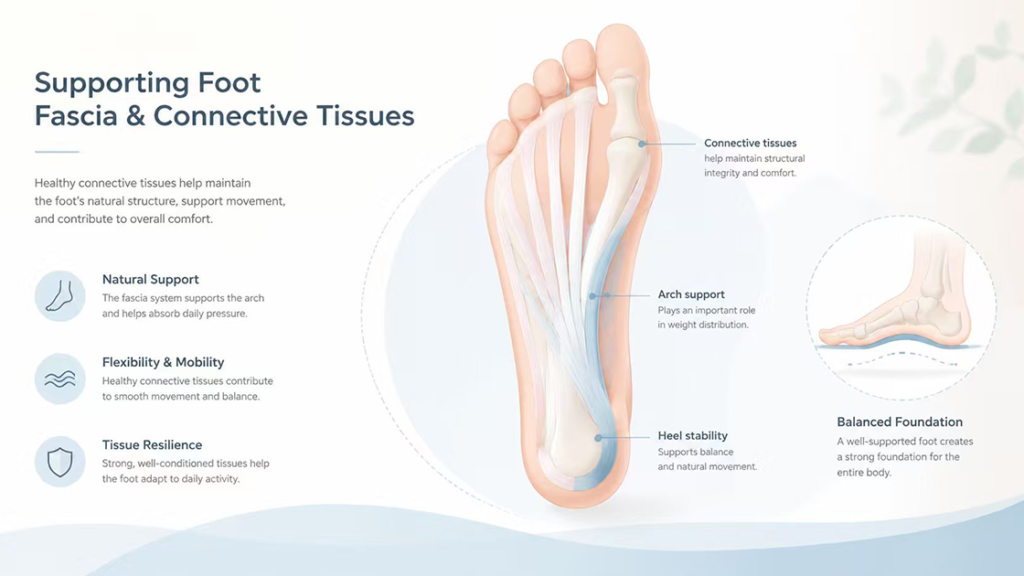
2.2 Supporting Foot Fascia and Connective Tissue Management
The fascia system provides structural support throughout the foot and lower limb. Changes in fascia flexibility or tissue stress can affect comfort during standing and movement.
Shockwave Therapy allows professionals to apply mechanical stimulation to specific fascia and soft tissue regions. Radial shockwave systems may be suitable for broader tissue areas, while focused shockwave systems may provide more concentrated energy delivery.
By integrating shockwave technology into podiatry programs, professionals can explore additional methods for supporting connective tissue health and movement quality.
2.3 Supporting Patients With Active Lifestyles
People who participate in regular physical activities often place increased demand on their feet and ankles. Athletes, fitness enthusiasts, and individuals with physically demanding routines may experience repeated stress in lower limb structures.
Podiatry clinics increasingly focus on maintaining mobility and supporting active lifestyles through comprehensive care approaches. Shockwave Therapy provides another technology option that can complement movement programs and professional guidance.
Rather than focusing only on temporary comfort, modern foot care often considers long-term function, tissue condition, and activity goals.
3. How Radial and Focused Shockwave Technologies Differ in Clinical Applications
Understanding the differences between radial and focused shockwave technologies helps podiatry professionals select suitable approaches for different application areas. Both technologies use acoustic energy, but their energy delivery patterns and targeted depths vary.
3.1 Radial Shockwave Therapy for Broader Foot Care Applications
Radial Shockwave Therapy delivers acoustic waves that spread outward from the applicator point. This design allows energy to cover a wider tissue area, making it commonly considered for larger soft tissue regions.
In podiatry environments, radial shockwave technology may be explored for areas such as:
- Foot muscles
- Plantar soft tissues
- Larger connective tissue regions
- Ankle-related soft tissue areas
The broader energy distribution can provide flexibility when professionals are working with areas that involve multiple surrounding structures.
3.2 Focused Shockwave Therapy for Deeper Tissue Applications
Focused Shockwave Therapy uses concentrated acoustic energy that can reach specific target areas with greater precision. This technology is often discussed in situations where professionals need more controlled energy delivery to deeper tissue structures.
Within podiatry care, focused shockwave applications may be considered for areas involving:
- Deeper tendon structures
- Localized soft tissue concerns
- Specific foot and ankle regions
The ability to adjust energy depth and intensity provides healthcare professionals with more options when designing supportive care programs. Focused shockwave technology allows practitioners to consider the location, tissue characteristics, and individual requirements when selecting application methods.
3.3 Choosing the Right Shockwave Approach for Podiatry Settings
Selecting between radial and focused shockwave technology depends on multiple factors, including the targeted tissue area, patient condition, and overall care objectives.
Radial shockwave systems may provide advantages when professionals need broader tissue coverage, while focused shockwave systems may be considered when more concentrated energy delivery is preferred.
Many modern shockwave platforms are designed with adjustable settings and interchangeable applicators, allowing podiatry professionals to develop more flexible treatment approaches. The goal is not to replace traditional foot care methods but to provide additional technology options that can complement comprehensive patient management.
4. Why Podiatry Clinics Are Exploring Shockwave Therapy Technology
As healthcare continues to evolve, podiatry clinics are looking for technologies that support efficient, versatile, and patient-centered care. Shockwave Therapy has become an area of interest because it combines mechanical stimulation with customizable energy delivery, making it adaptable for different clinical environments.
4.1 Enhancing Soft Tissue Care Options in Foot Clinics
Foot and ankle care often involves multiple types of tissues, including tendons, fascia, ligaments, and muscles. Because these structures work together during movement, professionals often consider approaches that address overall tissue function.
Shockwave Therapy provides an additional option for clinics that want to expand their soft tissue care capabilities. Through adjustable energy levels and different application methods, professionals can use shockwave technology as part of a broader approach to supporting mobility and tissue wellness.
The versatility of shockwave systems makes them suitable for various professional settings, including podiatry clinics, rehabilitation centers, and sports medicine practices.
4.2 Supporting Personalized Care Plans
Every patient has different movement patterns, activity levels, and foot-related concerns. Personalized care has become an important concept in modern podiatry because treatment goals can vary significantly between individuals.
Shockwave systems with adjustable parameters allow professionals to consider different factors when creating supportive care plans. Energy intensity, treatment area, and application technique can be adapted according to professional assessment.
This flexibility helps healthcare providers integrate technology into existing clinical workflows while maintaining a patient-focused approach.
4.3 Combining Shockwave Therapy With Comprehensive Foot Care
Technology works best when combined with a complete understanding of foot health. Podiatry care often includes movement evaluation, footwear recommendations, exercise guidance, and other professional strategies.
Shockwave Therapy can serve as one component within a larger care framework. By combining acoustic wave technology with traditional approaches, professionals can create more comprehensive management plans focused on mobility, comfort, and long-term foot function.
This integrated approach reflects the broader trend toward combining advanced equipment with personalized healthcare services.
5. The Future of Shockwave Therapy in Podiatry and Foot Health
The development of shockwave technology continues to influence how healthcare professionals approach soft tissue management. As podiatry expands beyond traditional methods, advanced technologies are creating new possibilities for supporting foot and ankle care.
5.1 Advancements in Shockwave System Design
Modern shockwave systems continue to improve through better energy control, user-friendly interfaces, and more precise application options. These developments allow healthcare professionals to customize technology use according to different clinical situations.
Features such as adjustable pressure settings, multiple applicators, and combined radial and focused modes provide greater flexibility for professional users.
Future improvements may continue to focus on making shockwave technology more adaptable for different healthcare environments.
5.2 The Growing Role of Non-Invasive Technologies in Foot Care
Patients and healthcare professionals are increasingly interested in non-invasive technologies that can be incorporated into existing care programs. Technologies that provide supportive benefits without invasive procedures continue to attract attention across rehabilitation and wellness fields.
Shockwave Therapy represents one example of how mechanical energy technology is being explored in modern foot and ankle care. Its ability to deliver targeted acoustic energy makes it a valuable area of interest for professionals seeking additional tools.
As healthcare continues to develop, non-invasive technologies may become an increasingly important part of multidisciplinary foot care strategies.
5.3 Expanding Professional Applications Beyond Traditional Foot Conditions
The future of podiatry is moving toward broader approaches that consider overall movement, tissue health, and lifestyle needs. Shockwave Therapy is not limited to one specific application area but can be explored across different soft tissue and rehabilitation scenarios.
From active individuals to patients seeking improved mobility support, shockwave technology offers professionals additional flexibility when designing care programs.
By combining clinical expertise with advanced technology, podiatry practices can continue developing more comprehensive approaches to foot and ankle wellness.
Frequently Asked Questions
What is Shockwave Therapy used for in podiatry?
Shockwave Therapy is used as a supportive technology in podiatry settings for soft tissue applications, tendon support, and foot and ankle care programs.
What is the difference between radial and focused shockwave therapy?
Radial shockwave distributes energy across a wider area, while focused shockwave delivers more concentrated energy to specific deeper tissue areas.
Can shockwave therapy replace traditional podiatry care?
No. Shockwave Therapy is generally used as a complementary technology alongside professional evaluation and comprehensive foot care methods.
Is shockwave therapy suitable for athletes?
Healthcare professionals may consider shockwave technology as part of supportive care programs for active individuals based on their specific needs.
How does shockwave therapy work?
Shockwave Therapy uses controlled acoustic wave energy to create mechanical stimulation in targeted tissue areas.
Why are podiatry clinics adding shockwave technology?
Many clinics explore shockwave systems because they provide customizable, non-invasive technology options for supporting foot and ankle care.
Conclusion
Shockwave Therapy is becoming an increasingly discussed technology in modern podiatry because of its ability to deliver controlled acoustic energy to targeted foot and ankle areas. With both radial and focused shockwave options, healthcare professionals can explore different application methods for soft tissue support, tendon care, and mobility-focused programs. While shockwave technology does not replace professional assessment or traditional foot care approaches, it provides an additional tool that can complement comprehensive podiatry services. As non-invasive rehabilitation technologies continue to advance, Shockwave Therapy may continue to play an important role in the future development of modern foot and ankle care.
References
Extracorporeal Shock Wave Therapy in Musculoskeletal Disorders: A Review
https://pubmed.ncbi.nlm.nih.gov/27999674
Shockwave Therapy in Medicine: A Review of Current Applications and Future Directions
https://pmc.ncbi.nlm.nih.gov/articles/PMC6780667
Clinical Application of Extracorporeal Shock Wave Therapy in Tendinopathies
https://pubmed.ncbi.nlm.nih.gov/29401166
The Mechanism and Clinical Application of Extracorporeal Shock Wave Therapy
https://www.ncbi.nlm.nih.gov/pmc/articles/PMC5485700
Extracorporeal Shock Wave Therapy: Current Evidence and Future Perspectives
https://www.sciencedirect.com/science/article/pii/S1521694219300868