

Introduction
Chronic foot, heel, and tendon pain can significantly interfere with daily function and quality of life, particularly in older adults experiencing age-related degeneration of connective tissues and reduced healing capacity. Conditions such as plantar fasciitis, heel spurs, and tendinopathy are among the most frequently diagnosed chronic musculoskeletal problems in populations with reduced mobility and cumulative microtrauma over decades. These disorders often lead to persistent pain with weight-bearing, difficulty walking, decreased independence, and increased fall risk. Many individuals are now exploring non-invasive therapeutic options, including shockwave therapy, to reduce discomfort while avoiding the risks associated with surgical intervention.
1. Understanding Chronic Foot, Heel, and Tendon Pain in Seniors
1.1 Common Conditions Affecting Seniors
Among older adults, the most prevalent chronic lower‑limb musculoskeletal conditions include plantar fasciitis, heel spurs, and various forms of tendinopathy, such as Achilles tendinopathy. Plantar fasciitis involves the degeneration or repetitive microtrauma of the plantar aponeurosis, the thick connective tissue spanning the sole of the foot, and often presents as burning or stabbing pain at the medial heel. Heel spurs are bony protrusions at the calcaneal insertion of the plantar fascia that are frequently detected via imaging even when pain is mild. Tendinopathy refers to chronic changes characterized by pain, swelling, and reduced tendon tensile strength, and it is a common sequela of cumulative strain in older connective tissues. These conditions share multifactorial etiologies, including age‑related structural changes, biomechanical stress, and impaired collagen remodeling in mature tendons.
1.2 Symptoms and Daily Impact
Chronic foot and heel pain symptoms typically manifest as sharp or aching pain localized to the inferior aspect of the heel, increased discomfort upon taking the first steps in the morning, or gradual escalation of pain during sustained standing and walking. In older adults, these symptoms are often accompanied by stiffness and reduced functional capacity, making routine activities such as grocery shopping, household tasks, and social outings progressively more difficult. Repeated guarded gait patterns to avoid pain can lead to compensatory postural changes, contributing to secondary discomfort in the knees, hips, and lower back. The cumulative consequences of chronic pain can result in diminished participation in physical and social activities, which in turn affects overall physical conditioning and psychological well‑being.
1.3 Risk Factors in the Elderly
Risk factors for developing chronic foot and tendon pain in older adults include biomechanical abnormalities such as excessive foot pronation or limited ankle dorsiflexion, systemic factors like obesity, and a history of prior lower limb injuries that predispose connective tissues to cumulative microtrauma. Age‑associated biochemical changes in tendon extracellular matrix reduce collagen turnover rates, weaken fiber architecture, and impair intrinsic repair responses, making the elderly more susceptible to persistent discomfort. Occupational and lifestyle factors may also contribute; prolonged standing or long walking distances, common in some jobs or recreational routines, can exacerbate tendon and fascia strain over time.
2. How Chronic Pain Affects Quality of Life
2.1 Physical Consequences
Persistent foot and heel pain can lead to secondary musculoskeletal deconditioning, as individuals limit weight‑bearing activities to avoid discomfort. Over time, reduced physical activity contributes to muscle atrophy, joint stiffness, and diminished proprioception — the neurological sense of limb position — which together erode balance and coordination. These changes not only worsen discomfort but also elevate the likelihood of falls, which are a leading cause of injury among older populations. Moreover, altered gait patterns designed to off‑load painful stress areas may impose undue strain on adjacent joints, potentially initiating new biomechanical problems.
2.2 Emotional and Psychological Effects
The psychological ramifications of chronic pain are often underestimated. Adults experiencing persistent musculoskeletal discomfort are more likely to report increased anxiety, frustration, and feelings of helplessness due to limitations in movement and independence. As mobility declines, social engagement may decrease, leading to a sense of isolation and lowered mood. The interplay between chronic pain and emotional health can become cyclical, with pain exacerbating stress and stress amplifying perceived pain intensity, further diminishing overall quality of life.
2.3 Economic and Healthcare Burden
Chronic heel and tendon pain has a significant economic impact, with millions of medical visits each year. Direct and indirect costs—including consultations, therapies, and lost productivity—can reach hundreds of millions annually. Long-term pain often leads to repeated healthcare visits, use of mobility aids, and sometimes inappropriate pain medication, adding to expenses. As a result, patients and caregivers increasingly look for cost-effective, low-risk alternatives to frequent medical procedures.
3. Why Seniors Seek Non‑Surgical Relief
3.1 Concerns About Surgery
Surgery may be an option for chronic foot and tendon problems when conservative treatments fail. However, older adults face higher risks due to reduced physiological reserve and other health conditions. General anesthesia, infections, delayed healing, and long recovery periods are major concerns. Procedures like plantar fascia release or tendon debridement often require immobilization and physical therapy, further extending recovery. For many, these risks outweigh the benefits, making non-invasive options more appealing.
3.2 Desire for Low‑Risk, Non‑Invasive Options
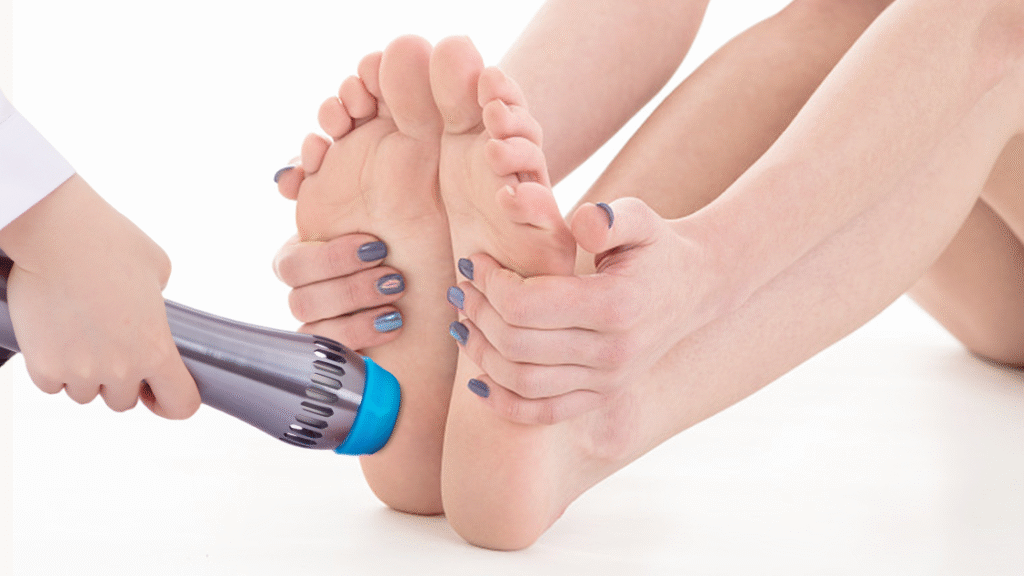
Non-invasive treatments that relieve connective tissue discomfort without surgery are appealing to older adults who want to stay independent. These include physical therapy, orthotics, lifestyle changes, and technologies like shockwave therapy or high-intensity laser therapy (HILT). HILT uses concentrated light to stimulate cells, improve microcirculation, and boost metabolism. ESWT uses acoustic pulses to mechanically trigger tissue responses in degenerative areas. Such non-surgical options help patients reduce pain, maintain mobility, and preserve function safely.
4. Evidence and Benefits of Shockwave Therapy in Elderly Patients
4.1 Clinical Observations
Shockwave therapy has been studied for decades, especially for chronic plantar heel pain and tendinopathies. Randomized trials and meta-analyses show that low-intensity ESWT significantly improves pain relief and function compared to placebo. Pooled data indicate it provides short-term pain reduction and functional gains, making it a recognized non-surgical option for persistent heel pain. Reviews also show ESWT improves activity-related pain better than traditional treatments like ultrasound. These findings support its use in managing stubborn lower-limb pain.
4.2 Lifestyle Advantages
Non-surgical treatments that improve pain and function without disrupting daily routines are especially appealing to older adults. Shockwave therapy, which stimulates tissue responses without surgery, helps many resume walking and daily activities. Research shows benefits include better local circulation, reduced pain signaling, and promotion of micro-healing in degenerative tissues. Compared to invasive procedures, these improvements support independence, reduce reliance on pain medications, and boost confidence in physical abilities.
4.3 Comparative Perspective
Shockwave therapy is often compared with other non-surgical methods, such as high-intensity laser therapy, orthotics, manual therapy, and medications. Laser therapy targets cellular metabolism and inflammation, while shockwave therapy mechanically stimulates tissues, promoting growth factors and new blood vessel formation. Studies suggest shockwave therapy can improve activity-related pain, like plantar heel pain, more effectively than ultrasound or some traditional methods. These comparisons help clinicians and patients choose safe, effective, and personalized treatment strategies.
FAQ
Is shockwave therapy safe for seniors?
Shockwave therapy is generally considered a well‑tolerated non‑invasive option for chronic musculoskeletal discomfort, including in older populations. Major safety concerns are uncommon, and adverse effects — when they occur — are typically mild and transient, such as discomfort during application or temporary local soreness. As with any modality, candidacy should be assessed by a qualified clinician who can consider age‑related factors and coexisting conditions.
How quickly do seniors notice improvement in pain or mobility?
Response timelines vary among individuals. Some patients report incremental improvements in pain intensity and comfort during activity in the weeks following a course of shockwave sessions, particularly when symptoms have been chronic. Because biological responses to mechanical stimulation evolve over time, noticeable functional changes often manifest progressively rather than instantly.
Are there restrictions for seniors with chronic conditions like diabetes or arthritis?
Chronic conditions like diabetes and arthritis can affect tissue health and healing. Clinicians consider these factors carefully, as issues like neuropathy or joint instability may require tailored approaches to ensure safety and best outcomes.
How does chronic foot pain affect overall health in older adults?
Persistent heel and tendon pain can reduce mobility and activity, increasing dependence on others. This may lead to weaker muscles, cardiovascular decline, and higher stress, highlighting the need to manage pain effectively.
Can shockwave therapy reduce the risk of falls in seniors?
Shockwave therapy does not directly reduce fall risk. However, by improving pain and mobility, it can enhance gait and confidence, supporting balance and lowering fall-related factors.
Conclusion
Chronic foot, heel, and tendon pain creates physical, emotional, and financial challenges for older adults. It can reduce mobility, independence, and daily activity. Non-surgical options, like extracorporeal shockwave therapy, provide pain relief without invasive procedures. Clinical studies and reviews show it is effective, especially for persistent plantar heel pain. When combined with professional care, patients can improve function safely and maintain quality of life.
References
Yin MC, Ye J, Yao M, et al. Is extracorporeal shock wave therapy clinically efficacy for relief of chronic, recalcitrant plantar fasciitis? A systematic review and meta‑analysis. Archives of Physical Medicine and Rehabilitation. 2014;95(8):1585‑1593.
https://www.ncbi.nlm.nih.gov/books/NBK231860
Jessup RL, Oates MJ, Johnston RV, Buchbinder R. Shockwave therapy for plantar heel pain (plantar fasciitis). Cochrane Database Syst Rev. 2019.
https://www.ncbi.nlm.nih.gov/pmc/articles/PMC6875429
Sun J, Gao F, Wang Y, et al. Extracorporeal shock wave therapy is effective in treating chronic plantar fasciitis: A meta‑analysis of RCTs. Medicine (Baltimore). 2017.
https://pubmed.ncbi.nlm.nih.gov/28403111
Ogden JA, Alvarez RG, Marlow M. Shockwave therapy for chronic proximal plantar fasciitis: a meta‑analysis. Foot Ankle Int. 2002.
https://pubmed.ncbi.nlm.nih.gov/11991474
Hammer DS, Rupp S, Kreutz A, et al. Extracorporeal shockwave therapy (ESWT) in patients with chronic proximal plantar fasciitis. Foot Ankle Int. 2002.