This article explores why tendon injuries often fail to fully recover with rest alone, highlighting the gap between symptom relief and true tissue healing. It explains the biological limitations of tendon repair, the progression from acute injury to chronic tendinopathy, and why pain frequently returns after activity resumes. The article also discusses how modern non-invasive approaches such as Shockwave Therapy and Low-Level Laser Therapy are being integrated into clinical practice to address persistent tendon conditions more effectively than passive recovery alone.
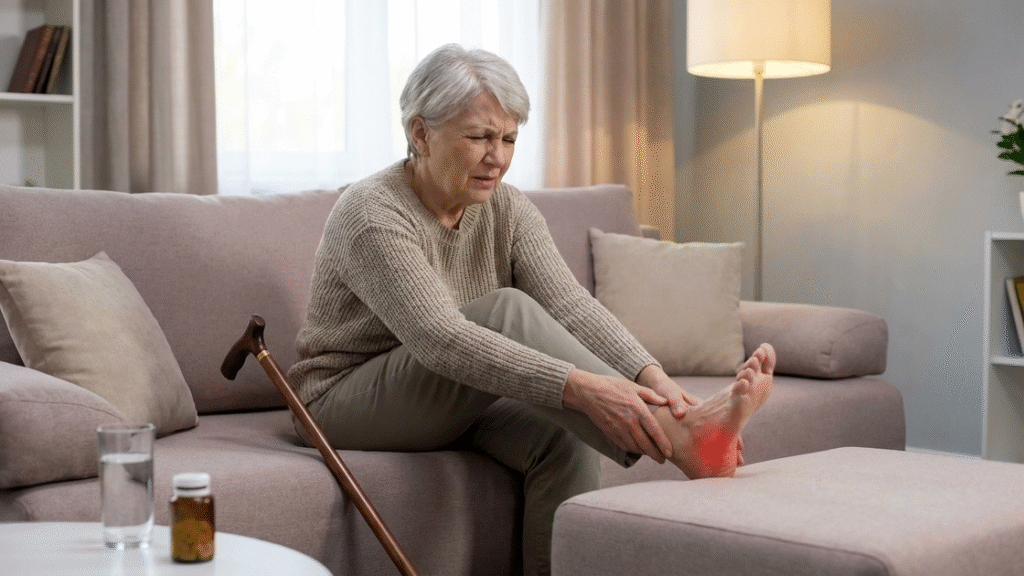
Ankle fractures often require immobilization, which can lead to stiffness, muscle atrophy, and delayed soft tissue recovery. Shockwave therapy supports post-cast rehabilitation by enhancing circulation, promoting tissue repair, and reducing pain, helping patients regain mobility, strength, and confidence in daily and athletic activities faster.
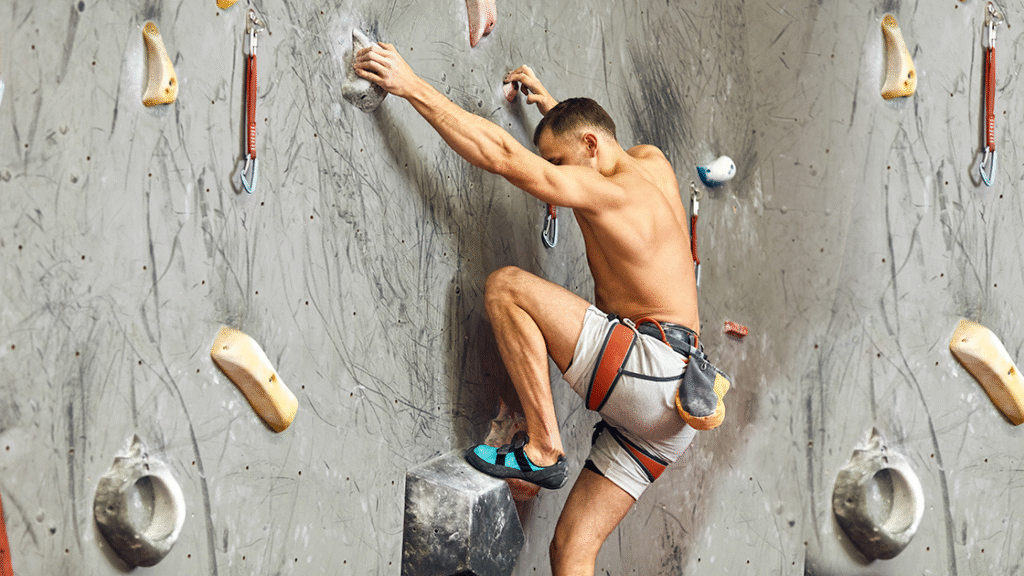
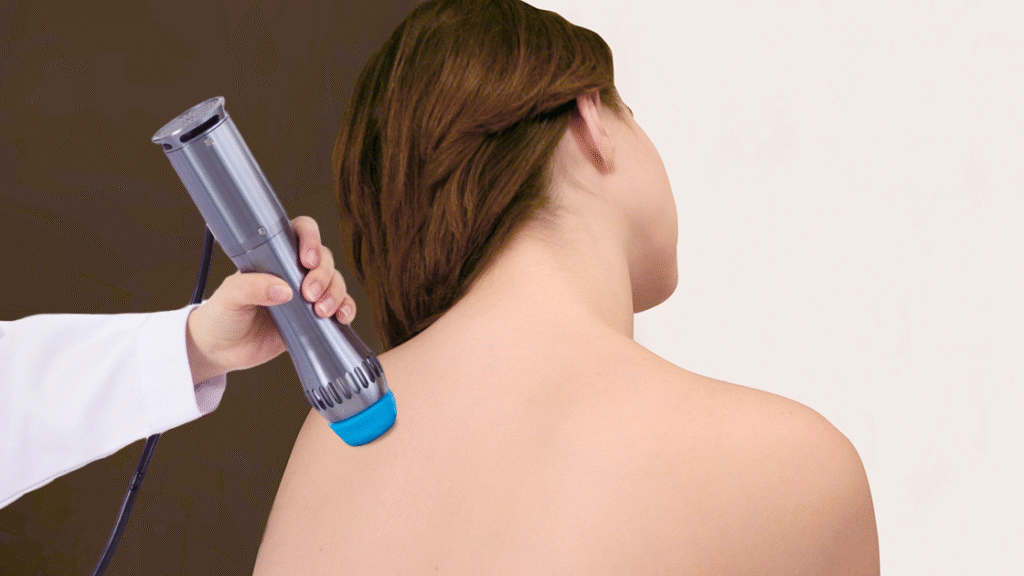
Shoulder impingement syndrome is common among rock climbers due to repetitive overhead movements. Shockwave therapy offers a non-invasive solution to reduce pain, improve tendon health, and accelerate recovery, allowing climbers to safely return to peak performance while preventing chronic injury.
As adults age, soft tissue recovery slows due to reduced collagen turnover, circulation changes, and energy decline. Shockwave therapy supports tissue adaptability, enhances circulation, and stimulates collagen remodeling, helping midlife individuals maintain movement comfort and functional performance.
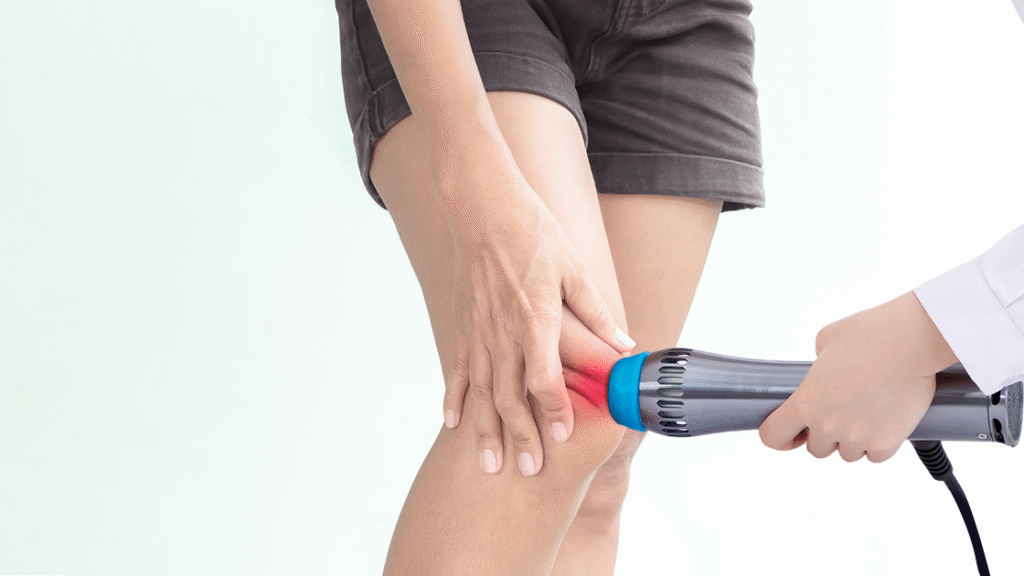
Knee pain when climbing stairs often signals early patellar tendon or patellofemoral joint dysfunction. Shockwave Therapy stimulates tissue repair, improves circulation, and reduces inflammation, supporting tendon and joint recovery while enhancing long-term knee stability.
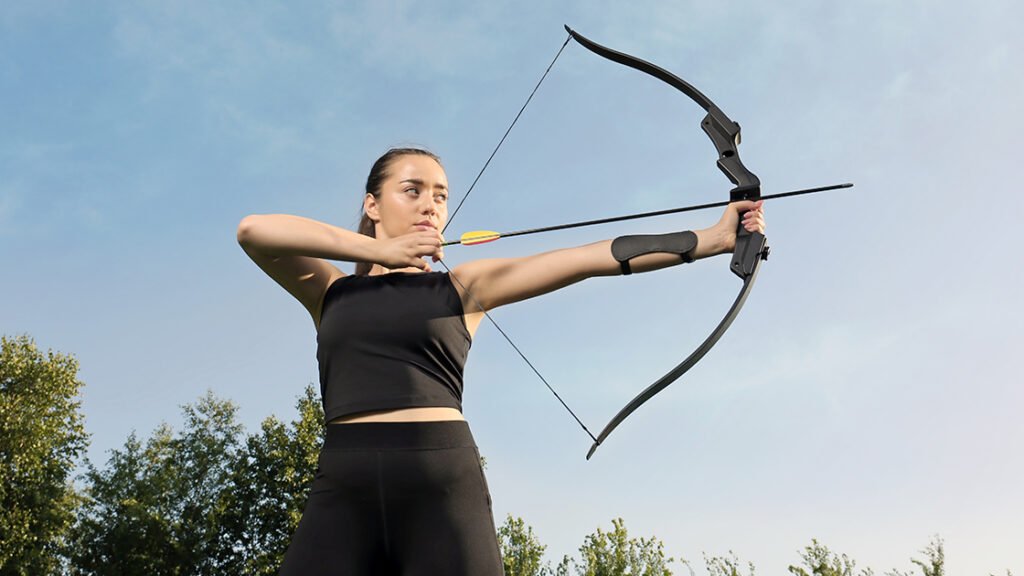
Chronic elbow pain is common among competitive archers due to repetitive bow drawing. Shockwave therapy promotes tendon repair, reduces pain, and helps archers maintain peak performance without invasive procedures.
This article explores how shockwave therapy helps equestrian riders relieve back strain, improve muscle recovery, and enhance posture for safer, more comfortable riding.