

Introduction
There is nothing quite like the feeling of warm sand between your toes on a summer day. For millions of Americans, beach sports are the highlight of the season. The sound of a volleyball being spiked, the rhythm of feet pounding along the shoreline, and the laughter of friends and family fill the air. But for many, this summer joy comes with a hidden cost. The same soft, shifting sand that makes beach sports so appealing also places unique and intense demands on the feet. After a weekend of beach volleyball or running on the shore, a sharp, stabbing pain in the heel can appear. That first step out of bed the next morning becomes an agonizing reminder that the plantar fascia has been overloaded. Beach sports enthusiasts are particularly vulnerable to plantar fasciitis, a condition that can turn a summer of activity into a season of pain. For those who have tried rest, ice, and stretching without lasting relief, extracorporeal shockwave therapy offers a non-invasive, drug-free option that may help address the underlying tissue damage and get them back on the sand.
1. Understanding Plantar Fasciitis and Its Impact
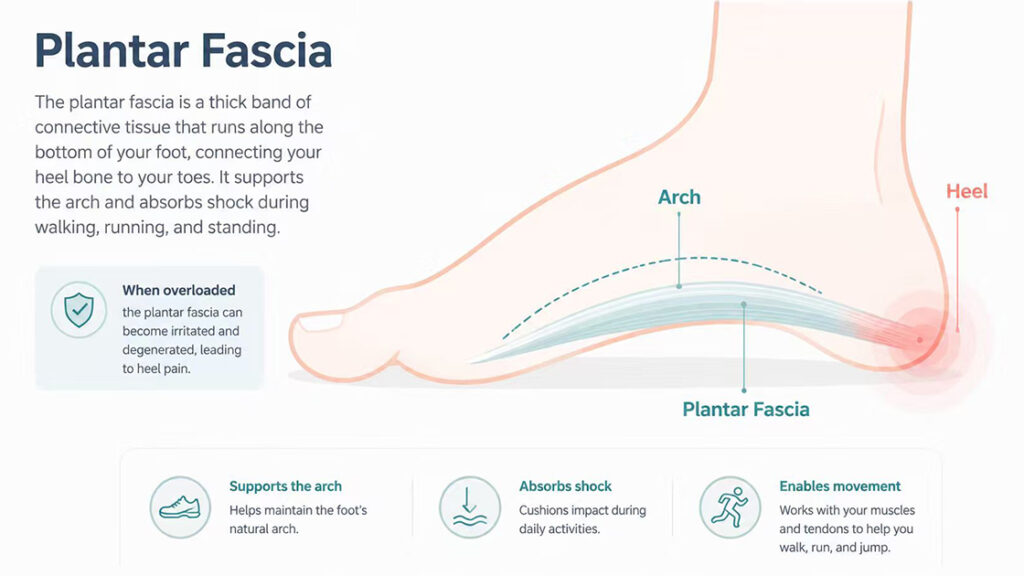
Plantar fasciitis is one of the most common causes of heel pain, affecting millions of people each year. It involves irritation and degeneration of the plantar fascia, a thick band of connective tissue that runs from the heel to the toes along the bottom of the foot. This fascia supports the arch and absorbs shock during walking, running, and standing. When overloaded repeatedly, the fascia develops microtears and structural changes at its attachment to the heel bone.
1.1 Why Beach Sports Put You at Risk
Beach sports present a unique set of challenges for the feet. Unlike the firm, predictable surface of a gym floor or running track, sand is unstable and constantly shifting. Every step requires more effort from the muscles and tendons of the feet and lower legs. The calf muscles work harder to stabilize the ankle, and the plantar fascia must absorb greater forces as the foot sinks into the sand with each stride. The instability of sand also increases the risk of overuse injuries. When the foot lands on an uneven surface, the fascia is stretched and stressed in ways that do not occur on solid ground. The repetitive impact of running or jumping on sand, combined with the need for constant balance adjustments, can quickly overload the plantar fascia. This is why beach volleyball players and runners who train on the sand are at a heightened risk for developing plantar fasciitis.
1.2 Recognizing the Symptoms
The hallmark symptom of plantar fasciitis is pain under the heel, particularly with the first steps in the morning or after periods of rest. This occurs because the fascia shortens and relaxes during sleep. When weight is suddenly placed on the foot, the fascia is stretched abruptly, pulling on its attachment at the heel bone. The pain may ease after a few minutes of walking as the tissue warms up and lengthens, but it often returns after prolonged standing or activity. For beach sports enthusiasts, the pain may be most noticeable after a session, rather than during it. Over time, the pain can become chronic and interfere with daily activities.
2. How Shockwave Therapy Works
Extracorporeal shockwave therapy (ESWT) delivers high-energy acoustic pulses through the skin to the injured fascia. The energy passes through fat and muscle layers and focuses on the heel bone attachment site. This mechanical input triggers a biological response that supports healing.
2.1 Stimulating the Body‘s Natural Healing Response
The acoustic waves create controlled microtrauma within the degenerated fascia. This microtrauma stimulates the body’s natural repair mechanisms. Local blood flow improves as new blood vessels form, a process called neovascularization. The shockwaves also break down scar tissue and calcific deposits that can form at the heel attachment. Additionally, the mechanical energy influences pain receptors, providing analgesic effects that allow patients to move more comfortably during the healing period.
2.2 Addressing the Root Cause
Unlike temporary solutions such as corticosteroid injections, shockwave therapy addresses the underlying tissue damage. It enhances the healing of the plantar fascia, encourages collagen regeneration, and corrects biomechanical deficits over time. With improved tissue integrity and load tolerance, the chances of plantar fasciitis recurring are significantly lower. The therapy is recognized for its regenerative properties that aid in the healing process.
3. Clinical Evidence for Plantar Fasciitis
A growing body of research supports the use of shockwave therapy for plantar fasciitis, particularly for chronic cases that have not responded to conventional treatments.
3.1 Positive Clinical Outcomes
Clinical experience has demonstrated that shockwave therapy can be highly effective for chronic cases of plantar fasciitis. Many patients experience significant improvement after completing a course of treatment. Studies have shown that pain scores decrease substantially, and foot function improves over time. The therapy is considered an effective, valid, and safe method for treating chronic plantar fasciitis, with outcomes that are comparable to other non-surgical approaches.
3.2 Evidence for Long-Term Relief
Systematic reviews have shown that shockwave therapy provides meaningful and lasting pain reduction in patients with chronic plantar fasciitis. The therapy is recognized as a valuable treatment option for those who have not found relief through conventional methods such as rest, stretching, and orthotics.
4. Integrating Shockwave Therapy into a Beach Sports Recovery Plan
Shockwave therapy works most effectively when patients also address the factors that contributed to their plantar fasciitis in the first place. It is not a magic solution but rather a powerful stimulus that works alongside sensible self-care.
4.1 When to Consider Shockwave Therapy
Shockwave therapy is most useful when plantar fasciitis is persistent despite basic measures, or when people need a treatment to reduce pain enough to tolerate progressive loading. Candidates typically include adults with persistent heel pain despite targeted loading and footwear modification, and those who need quicker improvement to return to training.
4.2 Combining with Rehabilitation
The key to long-term success is not rest alone, but graded, progressive loading and targeted strengthening of the calf and foot intrinsics, coupled with sensible load management. For beach sports enthusiasts, this means modifying training volume and intensity rather than stopping activity entirely. Footwear and temporary taping or orthoses can redistribute pressure and reduce painful loading while strength improves.
4.3 Returning to the Sand
After completing a course of shockwave therapy, athletes should gradually return to beach sports. Starting with shorter sessions on firmer, wetter sand can help reduce the load on the healing fascia. Wearing supportive footwear with good arch support, even on the beach, can also help prevent recurrence. Strengthening the calf muscles and intrinsic foot muscles is essential for building the load tolerance needed to enjoy beach sports without pain.
FAQ
Q1: Is shockwave therapy painful for plantar fasciitis?
Most people describe a tapping or sharp sensation that is uncomfortable but brief. The session is short, and the discomfort stops when the probe lifts.
Q2: How many sessions do I need?
A typical protocol involves a series of sessions spaced about one week apart. Some patients notice improvement after a single session, while others benefit from the full series.
Q3: Can I continue beach sports during treatment?
Yes, but it is advisable to modify training volume and intensity. Reducing the time spent on the sand and avoiding high-impact activities can help support the healing process.
Q4: How soon after treatment will I feel less pain?
Some individuals notice improvement within a few days, but the full benefit often takes several weeks to appear as the tissue heals and remodels.
Q5: Will shockwave therapy prevent my plantar fasciitis from returning?
Shockwave therapy helps heal the existing tissue damage. Maintaining good footwear, proper training habits, and regular strengthening exercises reduces the risk of recurrence.
Conclusion
Beach sports offer a unique and joyful way to stay active during the summer months. However, the unstable surface of sand places extraordinary demands on the feet, making plantar fasciitis a common and frustrating injury for enthusiasts of beach volleyball, sand running, and other shore-side activities. For those who have tried rest, ice, stretching, and orthotics without lasting relief, extracorporeal shockwave therapy offers a non-invasive, drug-free option that addresses the underlying tissue damage. By stimulating neovascularization, collagen remodeling, and local pain modulation, shockwave therapy supports the body‘s own healing mechanisms. When combined with appropriate footwear, activity modification, and targeted strengthening, it can help beach sports enthusiasts get back on the sand with less pain and greater confidence.
References
Blueprint Podiatry – Role of Shock Wave Therapy for Plantar Fasciitis
Shockwave Machines – First Step Pain? Shockwave Therapy for Plantar Fasciitis
https://www.shockwavemachines.com/ja/shockwave-therapy-plantar-fasciitis-first-step-pain.html
Shockwave Machines – Why Shockwave Therapy Is Winning Against Plantar Fasciitis
https://www.shockwavemachines.com/why-shockwave-therapy-is-winning-against-plantar-fasciitis.html
Shockwave Machines – Why PTs Are Raving About Shockwave Therapy
https://www.shockwavemachines.com/why-pts-are-raving-about-shockwave-therapy.html
Shockwave Machines – Morning Heel Alarm—Shockwave Therapy Relief
https://www.shockwavemachines.com/es/homemaker-morning-alarm-shockwave-therapy-heel-spur.html
JCDR – Effectiveness of Kinesio Taping and Extracorporeal Shock Wave Therapy in Plantar Fasciitis: A Systematic Review
REV ESP POD – Extracorporeal Shock Wave Therapy for Chronic Plantar Fasciitis